


September 24, 2026
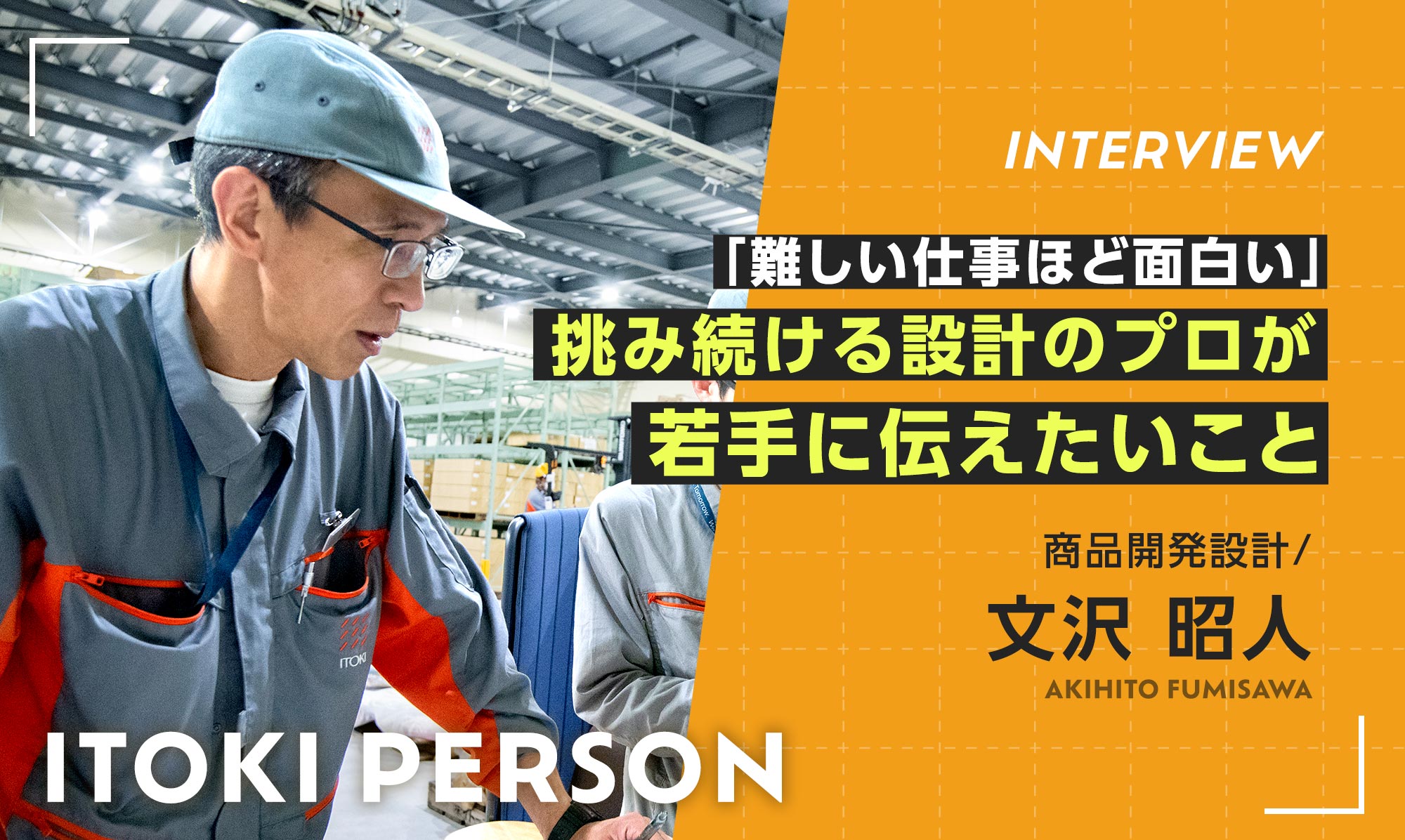
"The more difficult the job, the more interesting it is": What a design professional who continues to take on challenges wants to tell young people.


When faced with unprecedented work or difficult challenges, how should one approach them?
Since joining the company in 1989, Akihito Fumizawa has consistently been in charge of the basic design and procurement of special order products*, cultivating a wide range of product knowledge, from new products to discontinued items. He interprets the concept from the "one PDF" image sent by sales, and has approached even unprecedented requests with the attitude of "This sounds interesting!"
"The more challenging the job, the more you can put your own thoughts and feelings into it," says Mr. Fumizawa. We explore hints for enjoying challenging work from his approach to his work, which has allowed him to continuously hone his expertise, and from how he conveys the appeal of his work to younger generations.
- Special Order Items: These are special order services that involve customizing existing products or creating one-of-a-kind original items to meet the customer's specific requests, rather than using ready-made products.

Production Headquarters, Product Management Department, Office Products Division, Deployment Design Section, Deployment Design Team
Akihito Fumizawa
Since joining the company in 1989, I have consistently been in charge of the basic design and procurement of special order products. I have a broad understanding of products ranging from new products to discontinued items, and have tackled unprecedented orders.
*The departments, positions, and systems mentioned in the text are based on information available at the time of the interview.
Understanding the concept from a single PDF consultation.
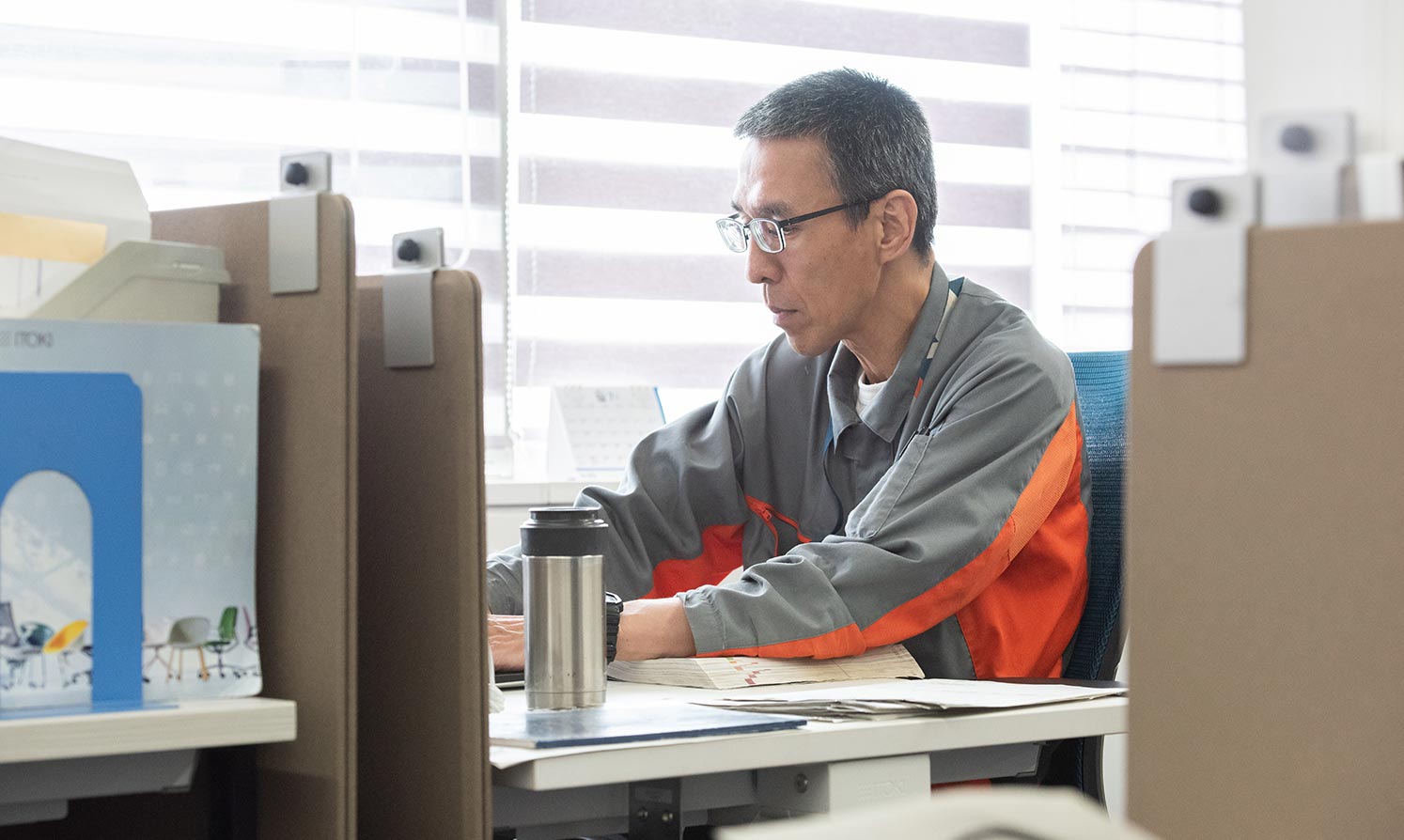
"I want to try it first." That's what I think about everything. My job is to take requests for special order items from the sales team, determine whether it's possible or not, and prepare drawings* and estimates.
This could range from a partial modification of a product in the catalog to an unprecedented order.
- Drawing: A design drawing that shows dimensions, structure, shape, etc., on a two-dimensional surface.
For example, sometimes a salesperson will bring in a single PDF image summarizing a customer's request, such as "We want to make something like this." While I could directly translate that into drawings and prepare a quotation at the same time, I first try to understand what the customer is looking for and grasp their concept.

This allows us to see ideas for improving the product, such as, "Wouldn't it look more aesthetically pleasing if we changed this part?" or "Wouldn't it be more convenient if we made this part movable?"
After that, we create a quotation and proceed with the design while coordinating with partner companies and the manufacturing department as needed. Since there are some things that can only be known by actually making it, we consult with the manufacturing team and make adjustments until it takes shape.
My role is to understand what our customers want, then think about the best way to achieve it and make it happen.
It's a choice between doing it or not doing it. What you think for yourself becomes a part of you.
I learned the attitude of taking on unprecedented drawings from the section chief who mentored me when I first joined the company. He would take on any project, no matter what it was, like a jack-of-all-trades, and respond with his extensive knowledge.
As a young 18-year-old at the time, I greatly admired him, but at the same time, I was burning with passion, thinking, "Someday, I will definitely become the best at design." Naturally, I didn't know anything, so I repeatedly asked questions to my superiors, including my section chief, but before that, I made sure to think things through as much as I could on my own.
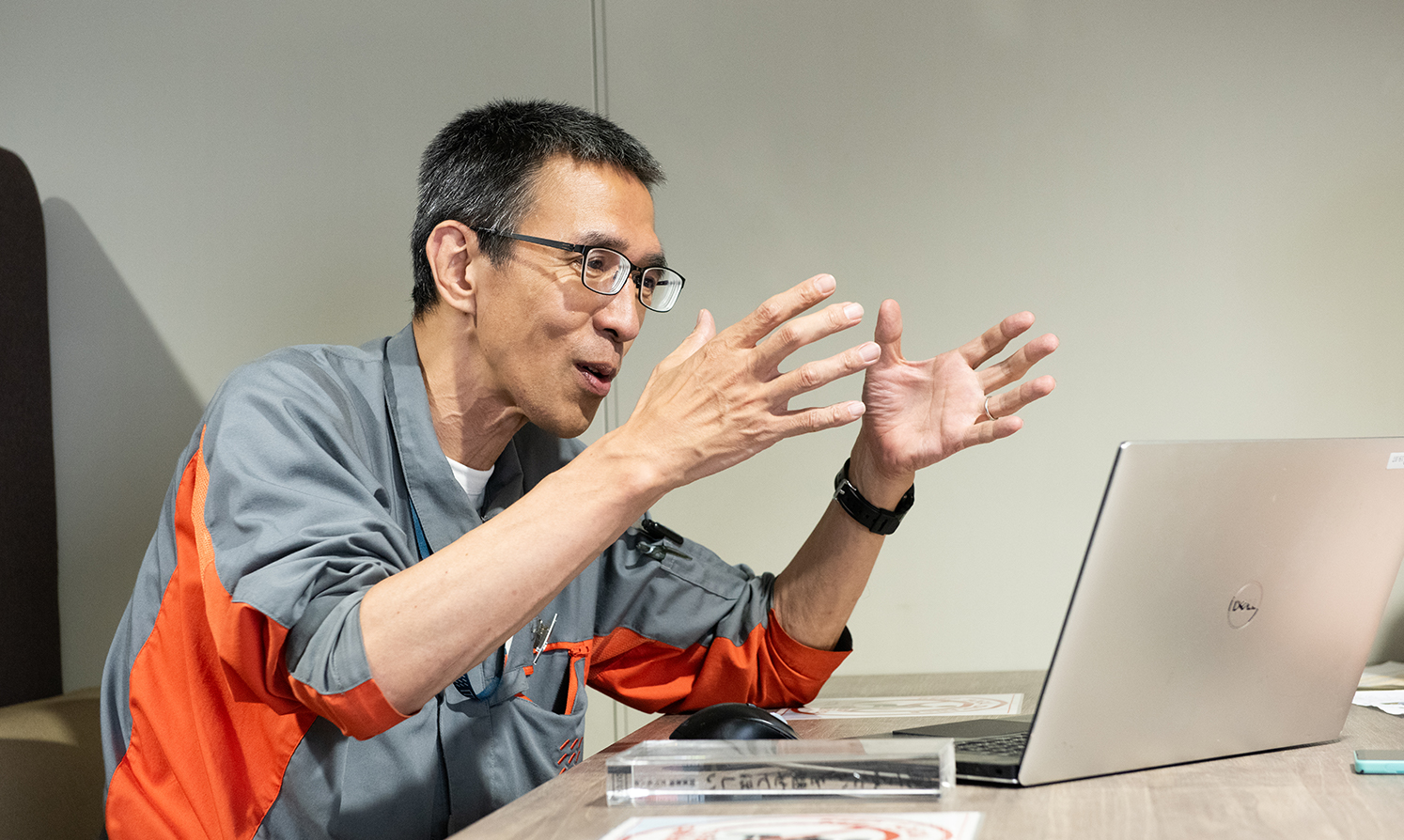
I find that the answers I arrive at by thinking for myself are more deeply ingrained in me than the answers I learn by simply listening. In the world of custom-ordered products, requests vary widely, including the installation of discontinued parts or even parts that Itoki doesn't produce at all. Before I knew it, I had absorbed a vast amount of product knowledge from the thick product catalog.
And what I've realized as my knowledge and skills have increased is that there's almost nothing I can't do. In the end, I think it all comes down to a choice between "doing it or not doing it."
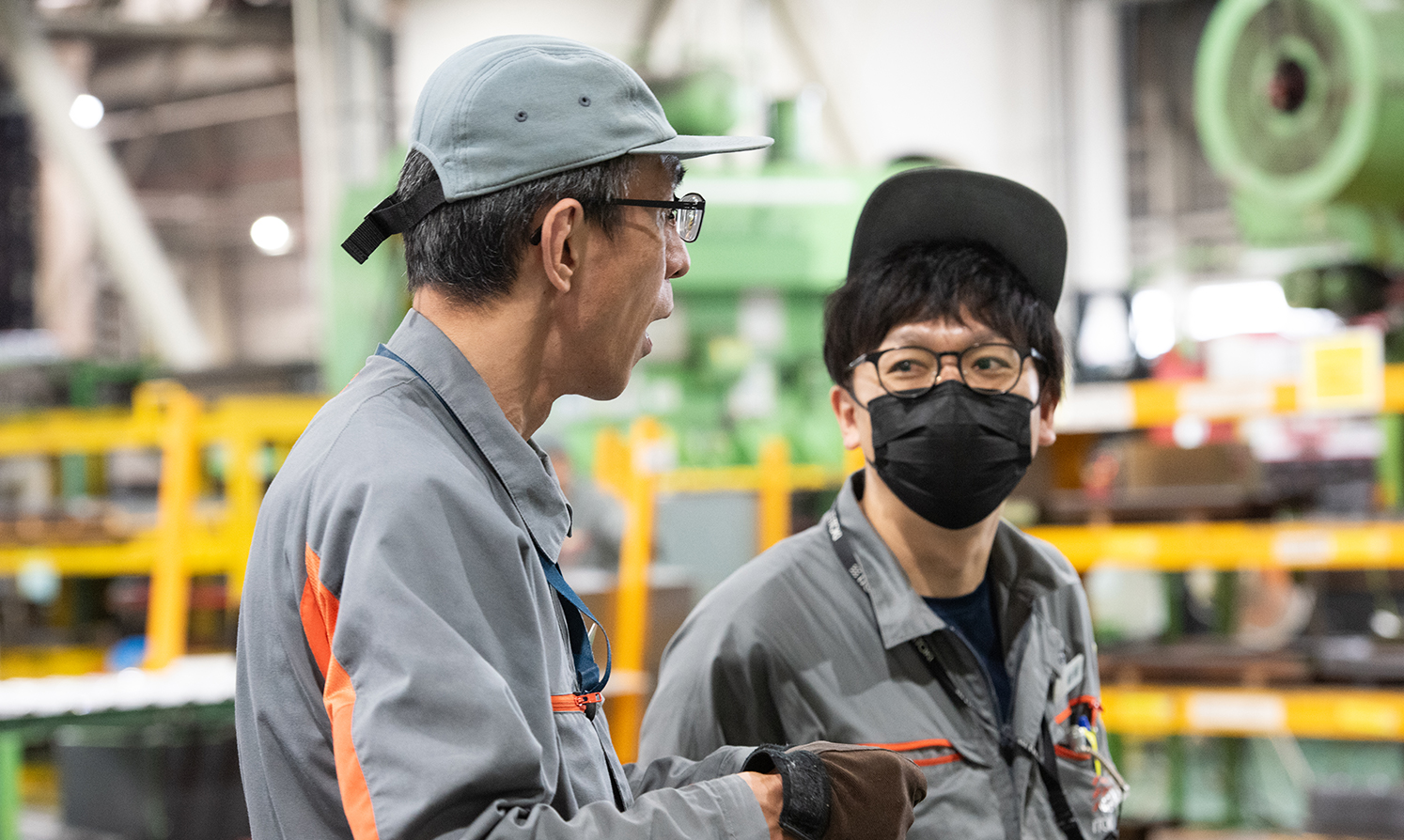
I want to convey that the more challenging the job, the more you can pour your own feelings into it.
While it's certainly important to use product catalog knowledge to determine feasibility, I also want younger employees to bravely take on challenging and unprecedented tasks.
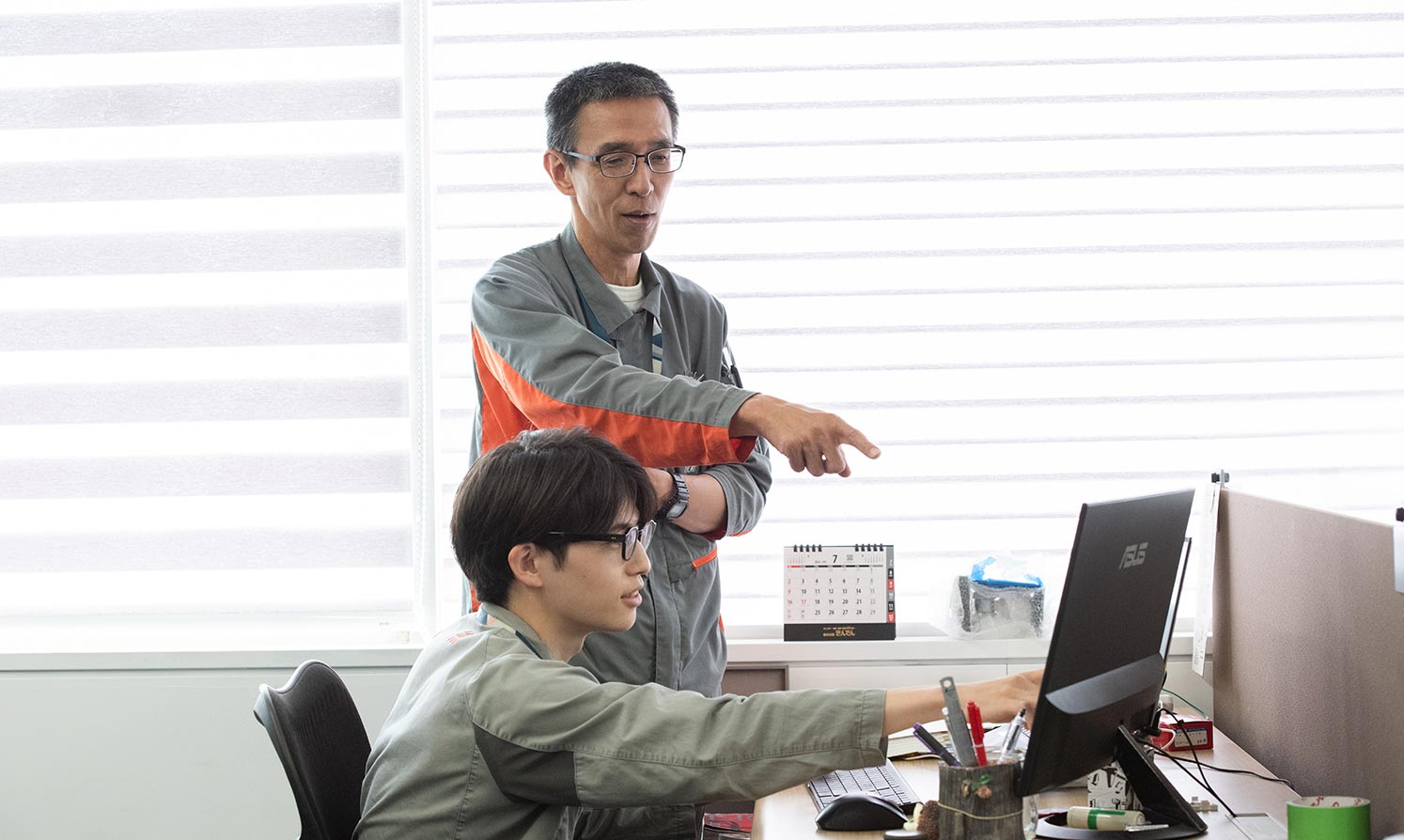
Unprecedented and challenging projects offer more room for independent thinking because fewer things are predetermined. That's precisely why you can incorporate your own ideas and aspirations into the blueprints. I believe that's where the unique appeal of challenging work lies.
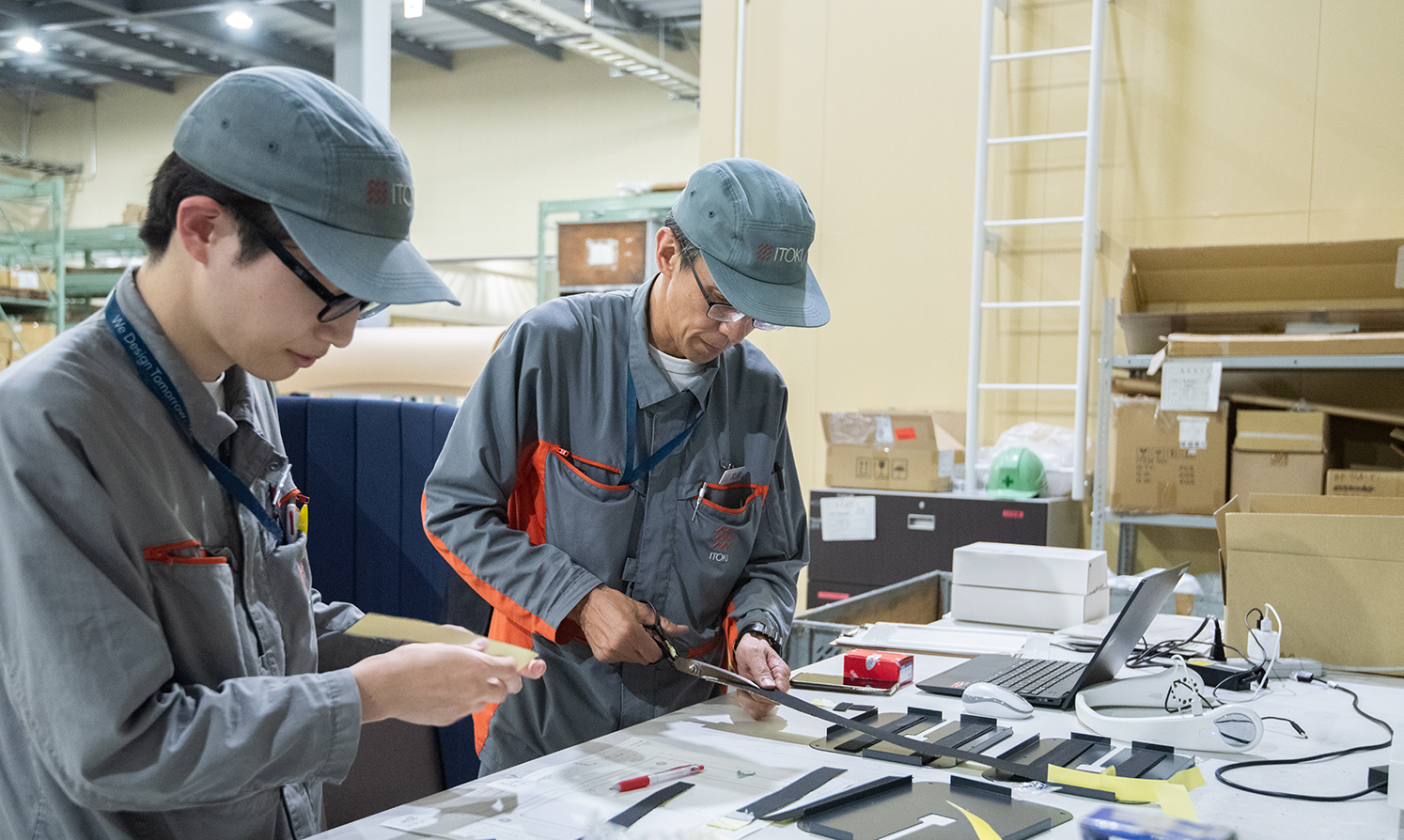
I want younger employees to experience the excitement of design, which is why I actively entrust them with new design projects on a regular basis. However, I don't just delegate; I also draw the plans myself, and I guide them by competing with them to see who can create the best design.
For example, in the design of a height-adjustable desk, I was in charge of the general design and creating the drawings, while leaving much of the detailed design to younger staff members. The younger staff members also contributed their own opinions, and the design process aimed to achieve a balance between functionality and aesthetics.
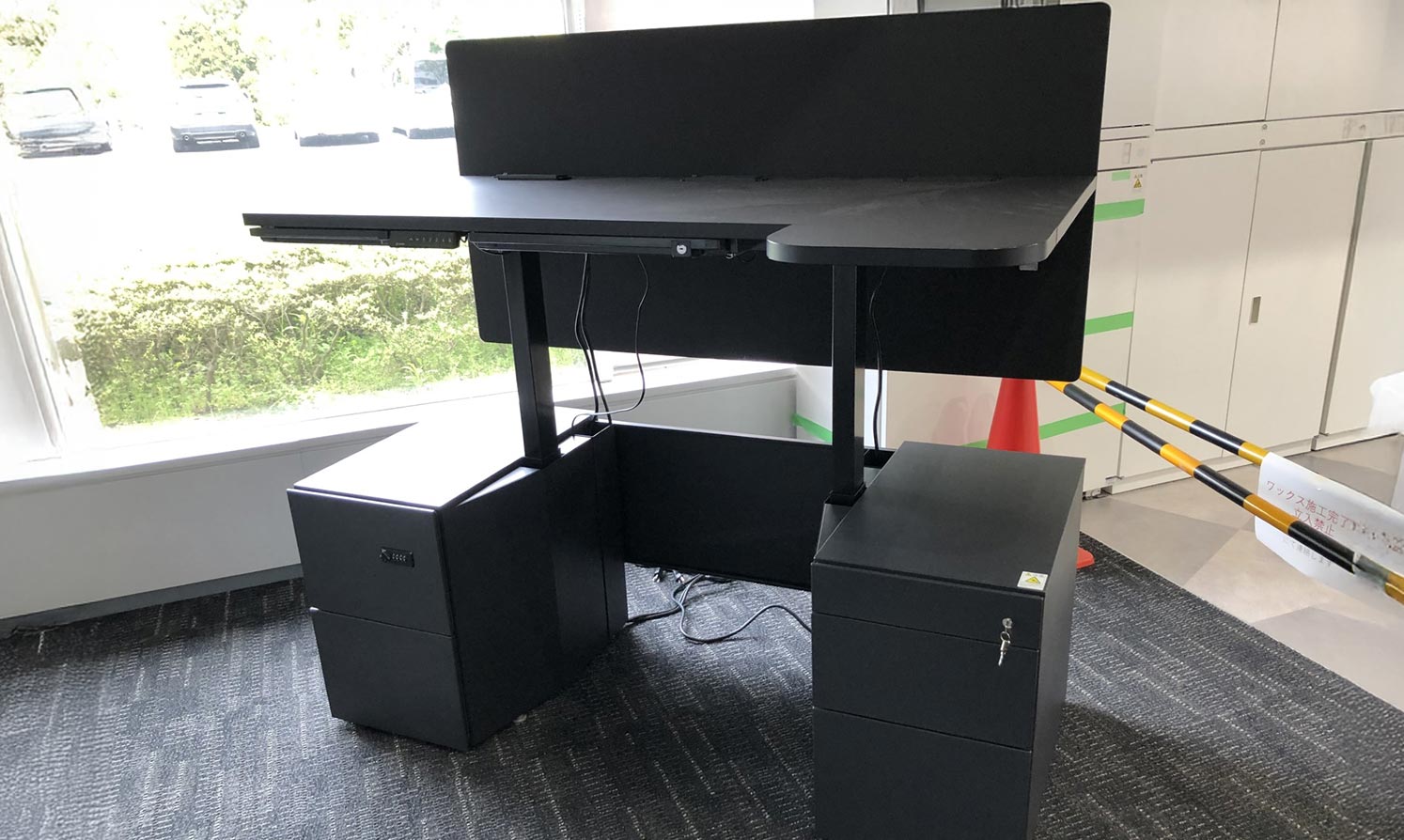
I'm really happy that nowadays, when I'm working on a difficult project, many of my younger colleagues come up to me and say, "Why don't you let me try it too!"
I want to continue sharing with my juniors the enjoyment I find in challenging work.
* * *
There are no set right answers when working on unprecedented tasks. That's precisely why there's room to think for yourself and incorporate your own ingenuity and ideas.
Instead of avoiding difficult tasks because they seem "too much work," try viewing them as "tasks where you can think for yourself." Like Mr. Fumizawa, first thinking about your own answers might be the key to discovering the enjoyment of your work.
Related article

Related products/solutions

- The departments, positions, and systems mentioned in the text are based on information available at the time of the interview.
Recommended Articles
-
August 18, 2026
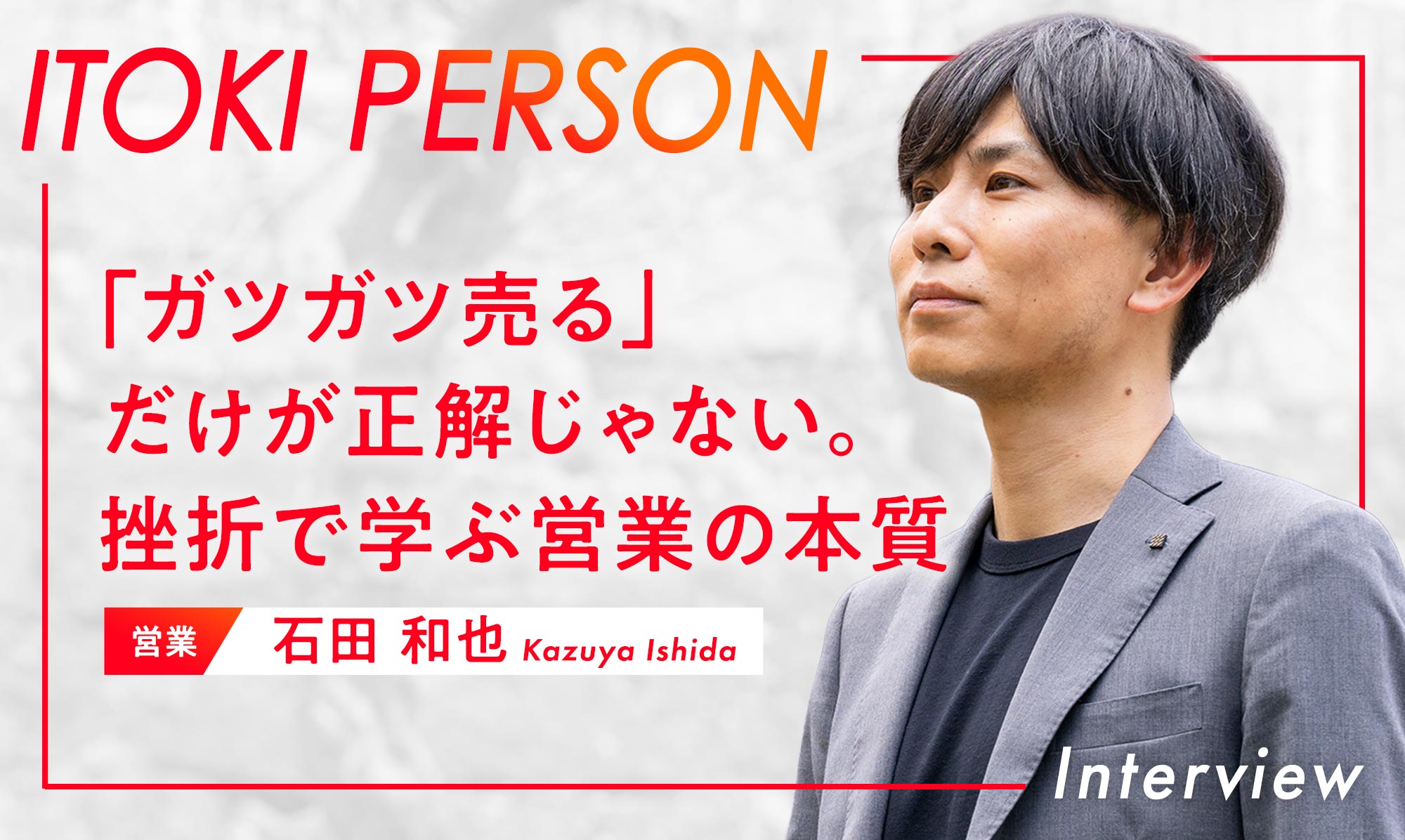
"Selling aggressively" isn't the only right answer. The true essence of sales, as taught by setbacks.
-

July 21, 2026
How to overcome growth barriers? Tips for growth discovered by designers.
-
May 8, 2026
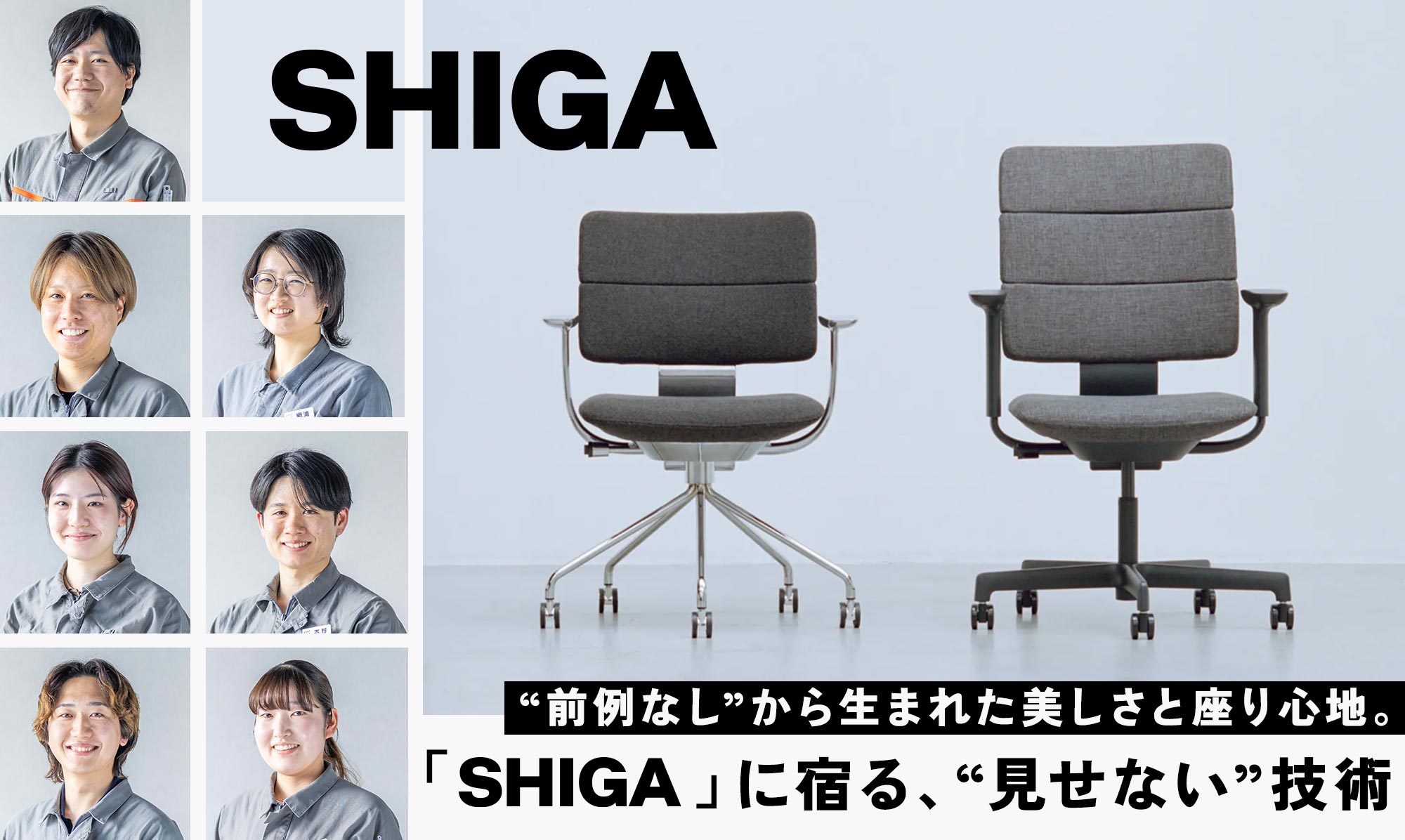
Beauty and comfort born from "unprecedented" design. The hidden technology behind "SHIGA" [Behind the scenes of SHIGA development - Part 1]
-
November 26, 2025
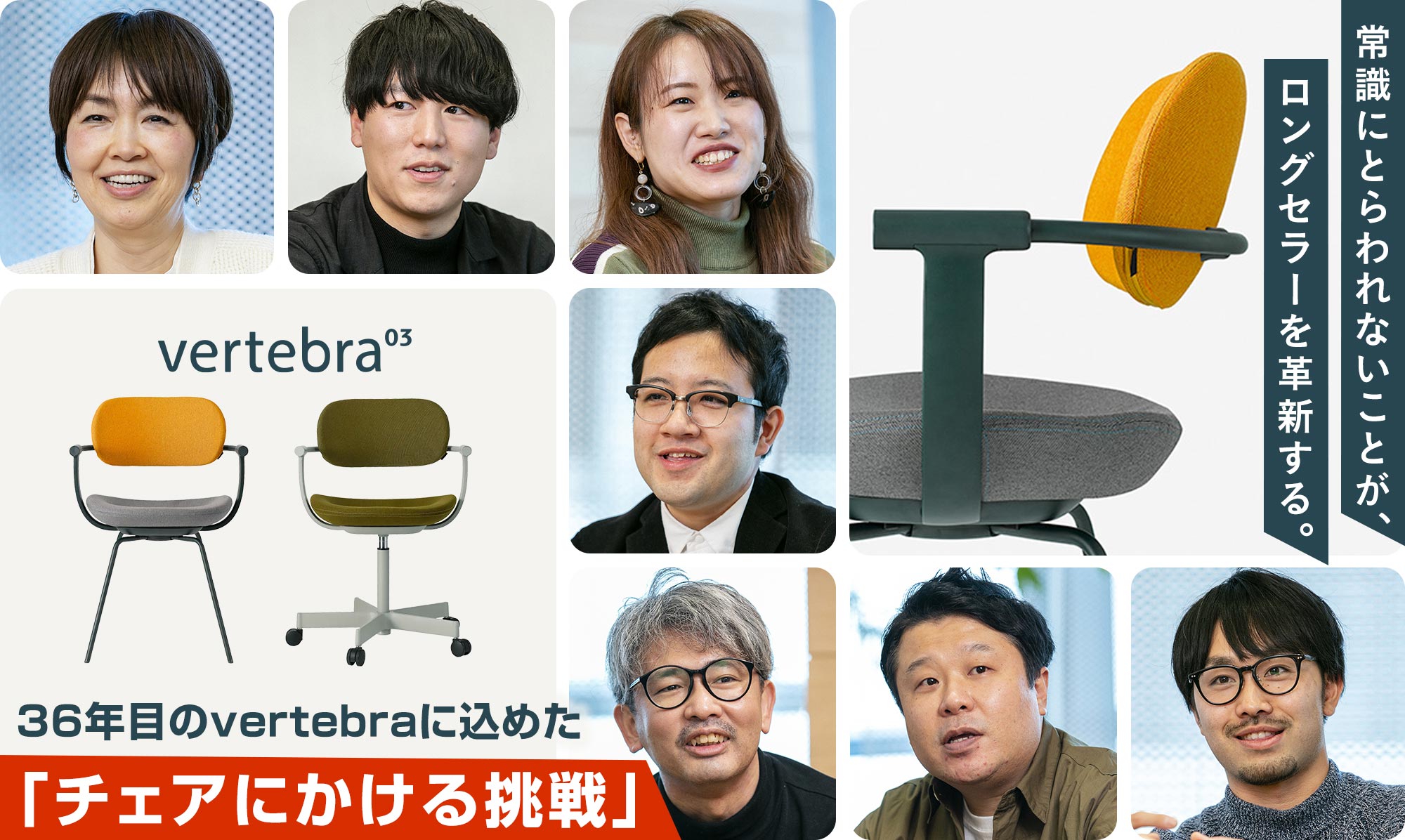
Not being bound by conventional wisdom revolutionizes a long-selling product. The "challenge to chairs" that embodies the vertebra in its 36th year
-

September 29, 2025
Behind the scenes of the skilled techniques that support quality. Manufacturing professionals who are responsible for the advanced TIG welding that cannot fail.