
News room



Event report on the work chair "SHIGA" from the Shiga factory, featuring Ms. Fumie Shibata
The design and technical intent hidden behind the seemingly simple form
ITOKI CORPORATION (Head office: Chuo-ku, Tokyo; President and CEO: Koji Minato) held an on-site event for the new work chair "SHIGA," which is being developed and produced at its Shiga Factory. At the event, product designer Fumie Shibata gave a presentation, and development members responsible for product planning and design took to the stage to introduce the background to the project, the design process, and trial and error at the manufacturing site.
In this report, we will introduce the events of the day, the philosophy behind "SHIGA," and the background to the manufacturing process that originated at the Shiga Factory.
stomach.
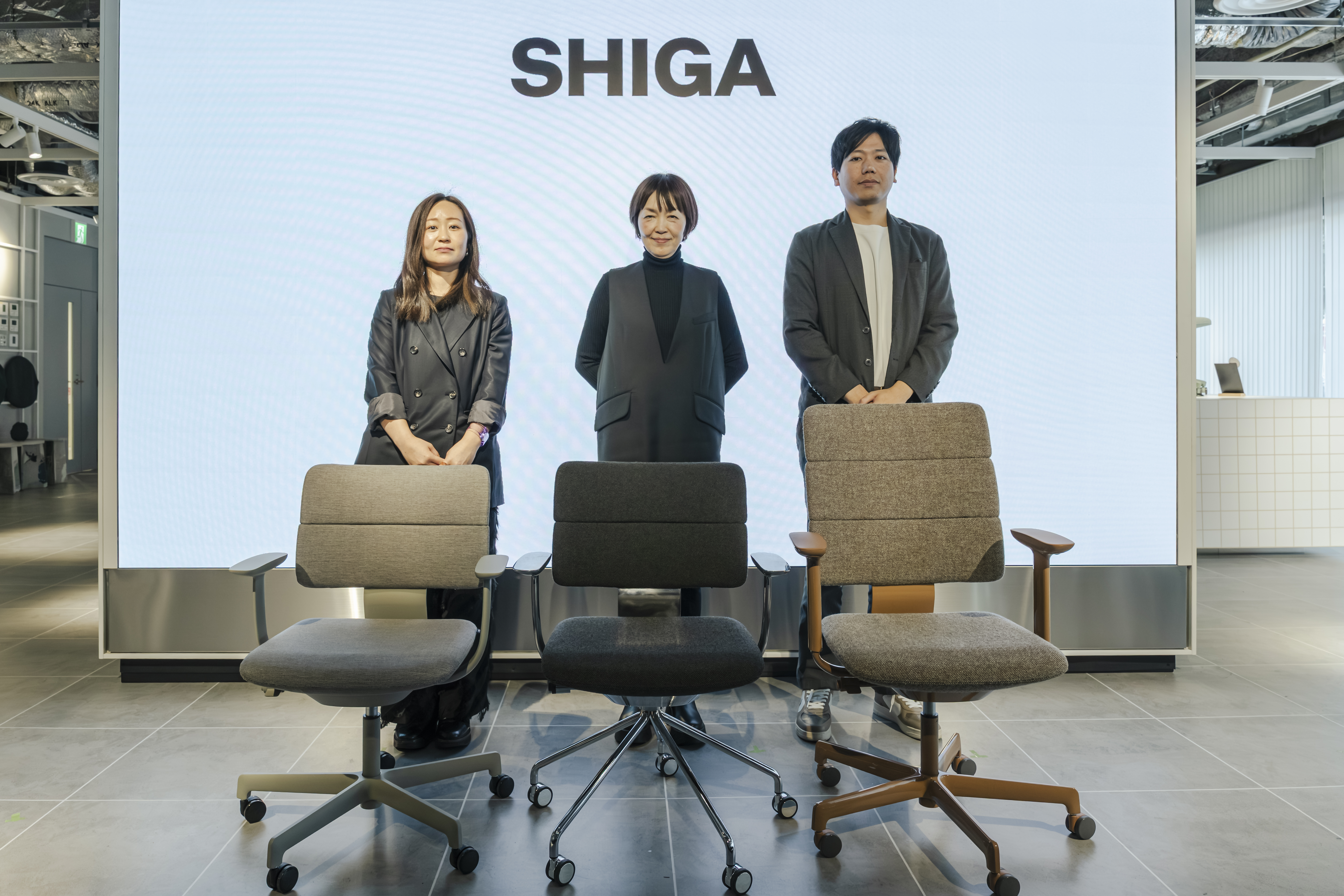
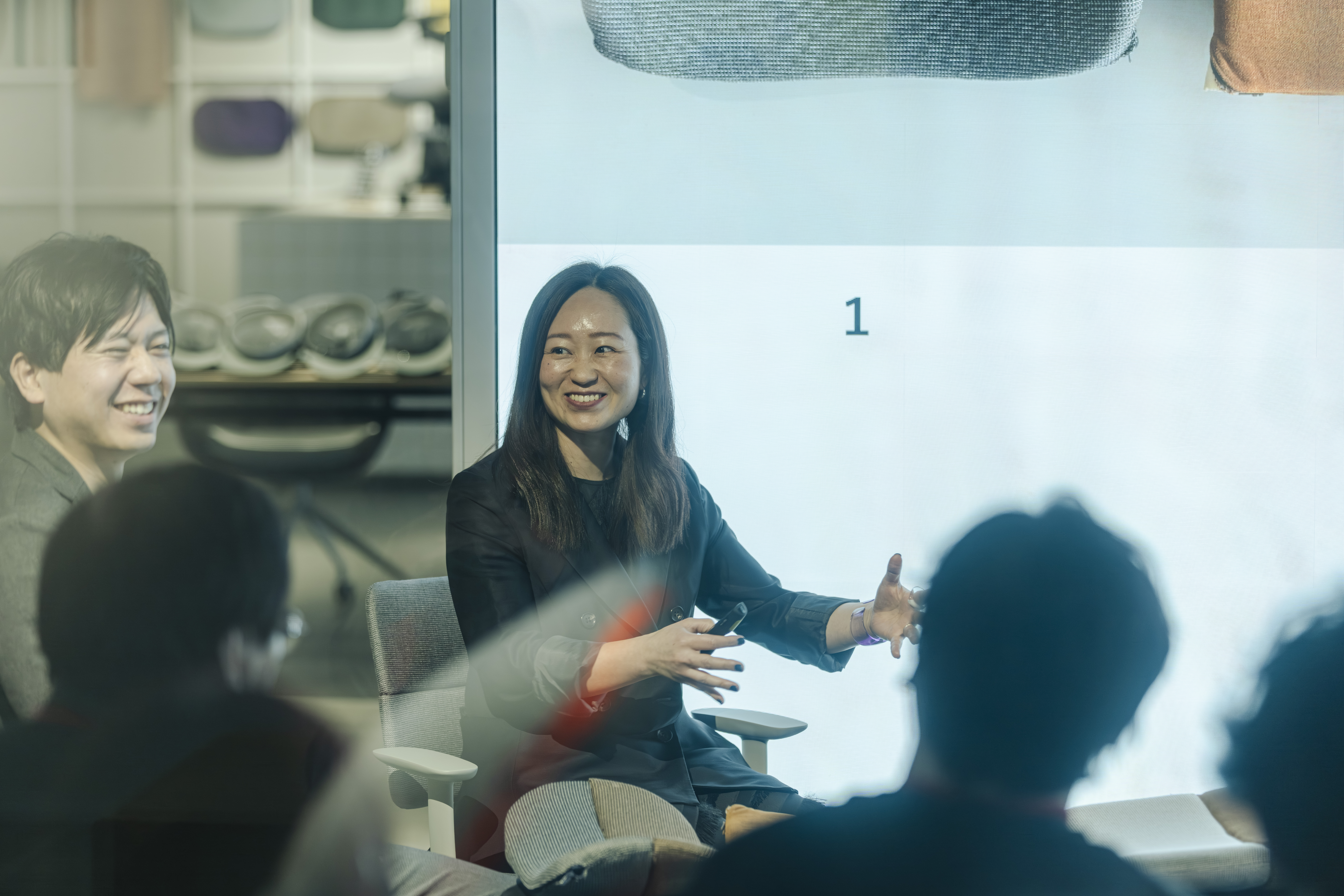
(From left: Yoko Okamoto, Product Planning, ITOKI; Fumie Shibata, Design Studio S; Takeshi Yokoyama, Development and Design Engineer, ITOKI)
About SHIGA
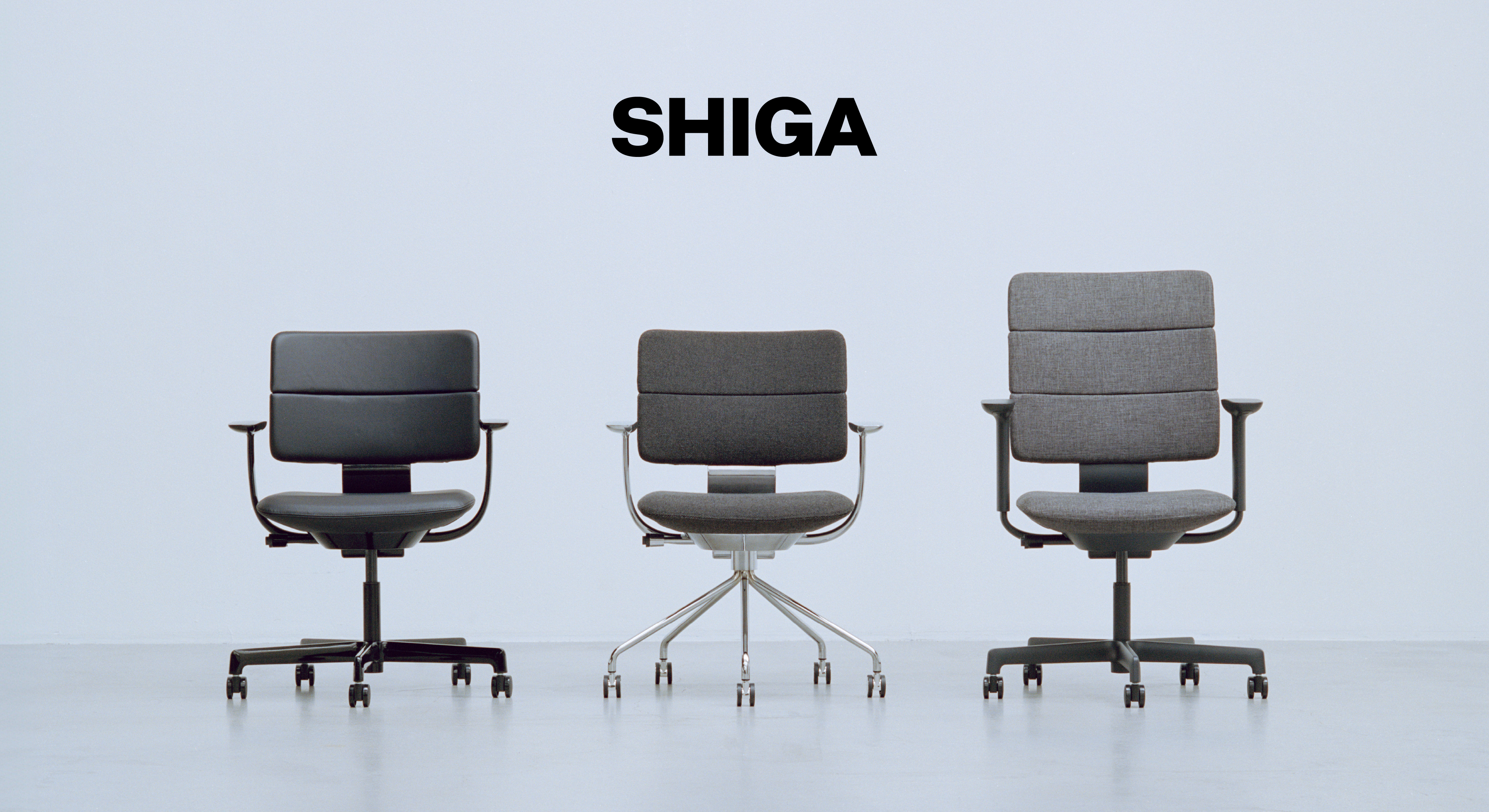
"SHIGA" is a new work chair developed and produced at ITOKI's Shiga factory. It was designed as a product that combines a minimalist appearance that blends naturally into the space with comfort that supports long periods of use.
The product design was handled by Fumie Shibata, a product designer who also collaborated on vertebra03. In addition to its functionality as a work chair, the design was focused on how it would look when multiple chairs are lined up and how it would harmonize with the overall space, with an emphasis on it being a "chair as furniture."
The interior also features an ergonomic structure, and its simple exterior incorporates functions that support natural changes in posture. Utilizing the design and manufacturing techniques of the Shiga Factory, the product was developed through a unified planning, engineering, and design process.
SHIGA Official Website: https://www.itoki.jp/special/shiga
ITOKI Online Shop: https://shop.itoki.jp/shop/pages/shiga.aspx

Fumie Shibata talks about the origin of "SHIGA"
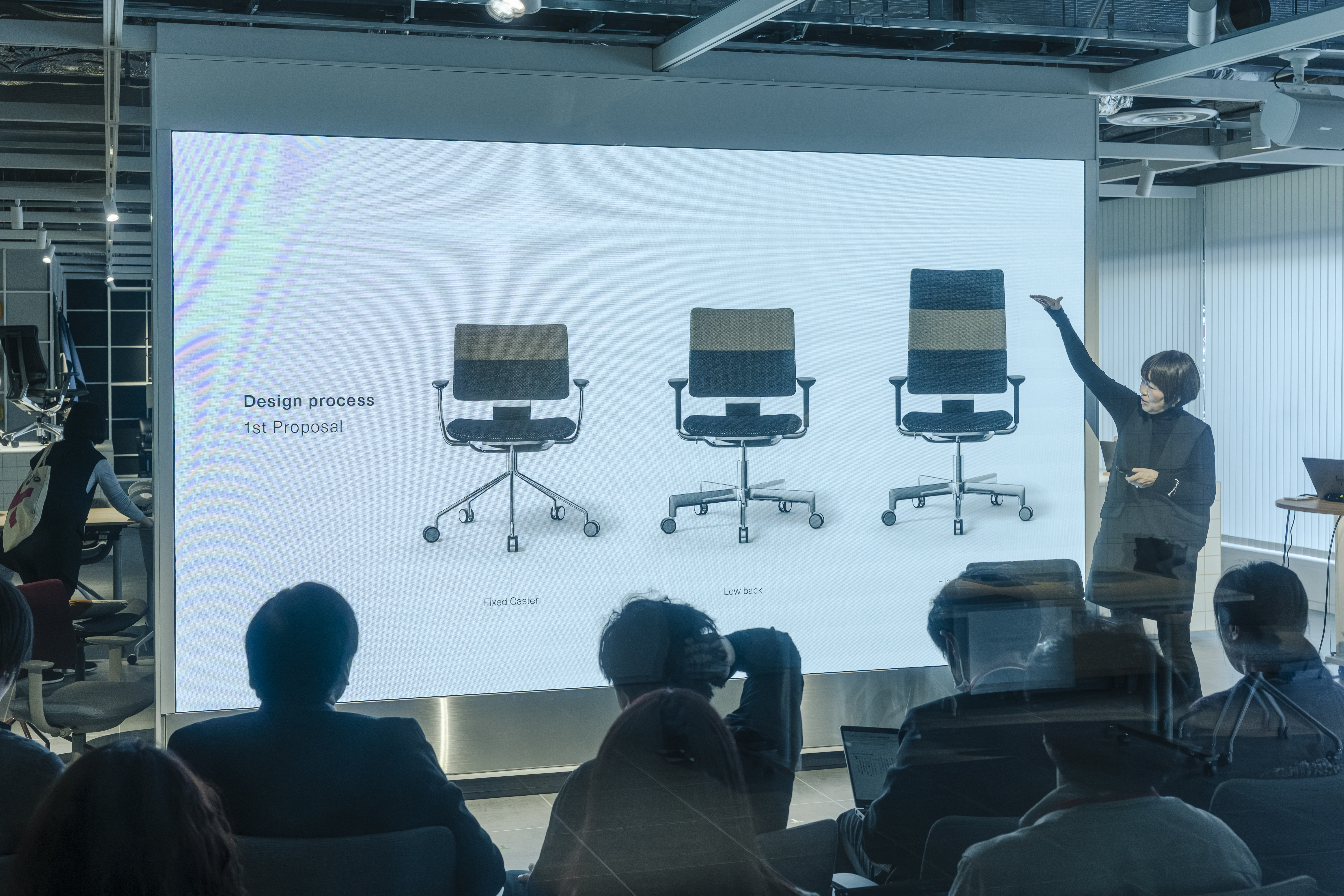

Product designer Fumie Shibata took the stage and introduced the design story behind "SHIGA."
Shibata mentioned that the name "SHIGA" was originally the code name for the project, and explained that while visiting the factory and progressing the project, he strongly felt the power of manufacturing at the Shiga factory. He said that the code name "SHIGA" was born from the desire to proceed as a project that brings together the technology and wisdom of "Made in Shiga."
In the end, Shibata himself gave his support, saying, "Let's go with 'SHIGA'," which led to the name being adopted as the product name.
"There were absolutely no stressful moments" - Evaluation of the development team
He also spoke about his collaboration with the development team, noting that he was impressed by their positive and creative approach to solving problems. He added, "There was not a single moment when I felt stressed while working on product development with Itoki," and praised the quality of communication in product development and the approach to manufacturing.
"Simple and Acceptable" - A design philosophy that fits the space
The aim of the design was "to make it as simple and acceptable as possible." Considering that Itoki is a company that is also responsible for spatial design, the aim was to create a chair that could easily be adapted to spaces with a variety of tastes. However, he emphasized that "making something simple is difficult and requires high level of skill," and that he felt that this difficult task could be achieved at the Shiga Factory.
The idea of "horizontal lines" to eliminate the feeling of oppression
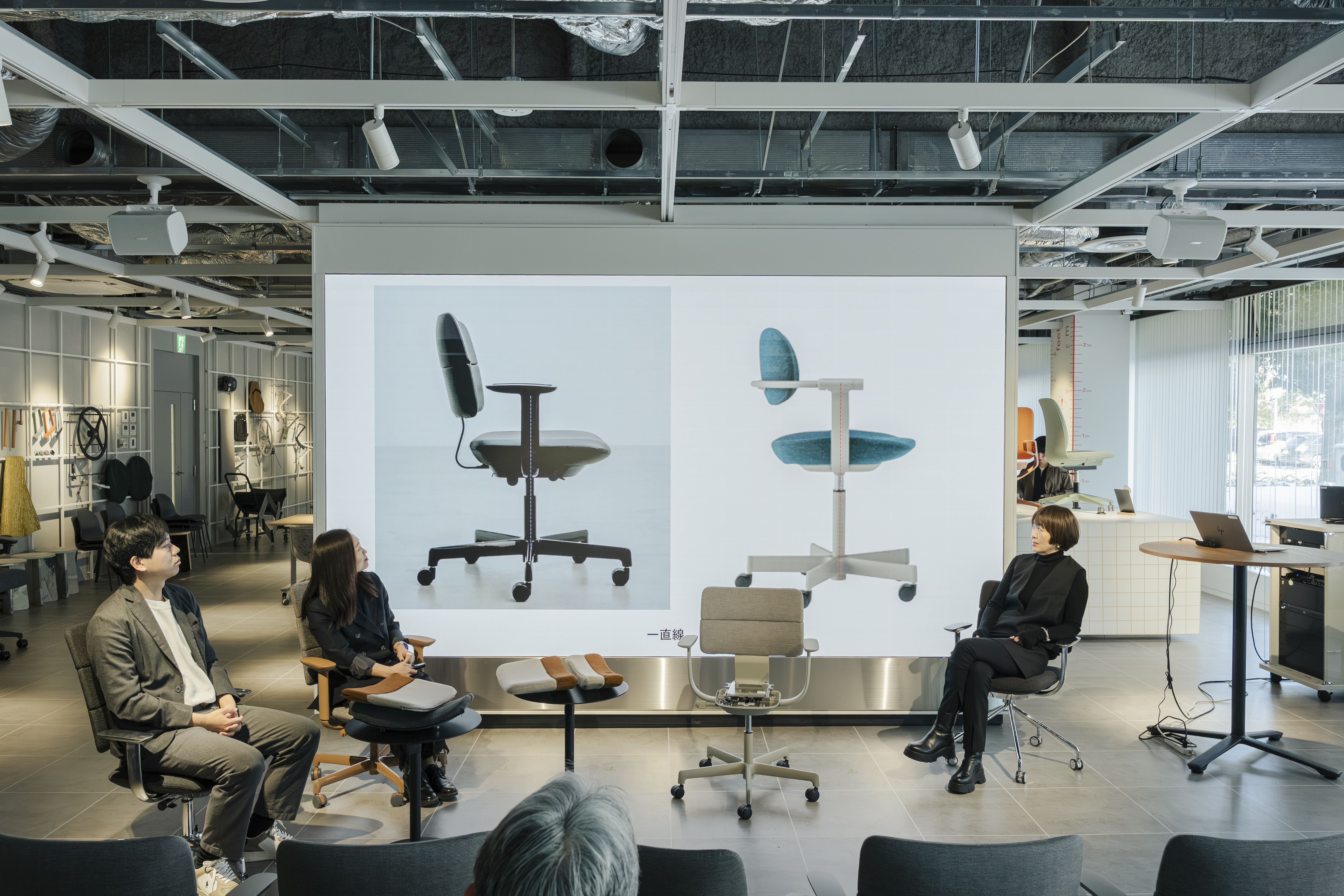
In terms of shape, in order to reduce the sense of oppression that tends to occur when work chairs are lined up, the idea from the early stages was to create a "loose" neck area and to create a sense of spaciousness by focusing on horizontal lines rather than vertical lines. Furthermore, in conversations with the planning side, he touched on how the product had evolved into three types, including not only a "lift-adjustable caster type" but also a "non-lift-adjustable pipe leg type (similar to a meeting chair)," saying, "It's amazing that they were able to develop three types in such a short period of time."
A-side from any angle: The technology behind minimalism
He also explained that behind the minimalist exterior lies a divided structure that combines robustness and softness, and a commitment to a "360-degree A-side" finish, including the back and rear. He also mentioned that "technology is important to realize the design" when it comes to the mechanics*, and that technology has been incorporated into even the direction and smoothness of the controls to create a "feel that resonates with the senses."
*In this release, "mechanism" refers to the mechanical part built into the underside of the work chair seat.
The intersection of planning, planning, and design - how "SHIGA" was created
Speaker: Yoko Okamoto, Product Development Planning Office, Product Development Division, ITOKI
ITOKI Manufacturing Headquarters, First Development Design Department, Chair, Second Development Design Office, Team Leader, Engineer Takeshi Yokoyama
Fumie Shibata, Representative of Design Studio S
In this crosstalk, the three parties involved in planning, engineering, and design dug deep into the behind-the-scenes process of "how SHIGA is made." The central theme was the challenge of how to combine the "mechanism" that supports the comfort of a work chair with a simple appearance.
The difficult task of "creating a comfortable seating experience without revealing the mechanics"
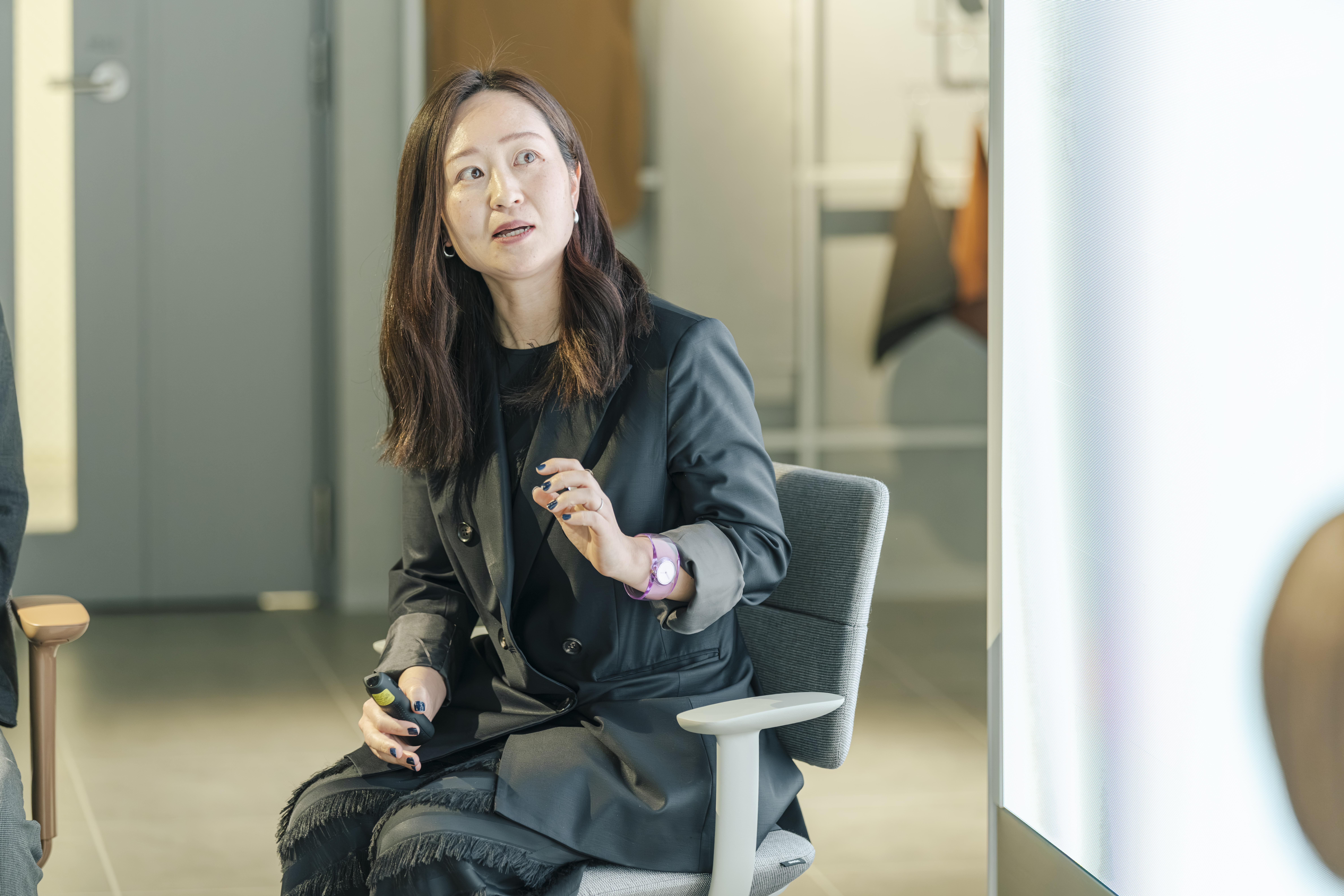
The planning team explained that "by selecting and discarding only the necessary functions, we were able to create a design that appears thin and small," and they also shared that the design goal of a 15-degree rocking angle was a decision based on spatial observation.
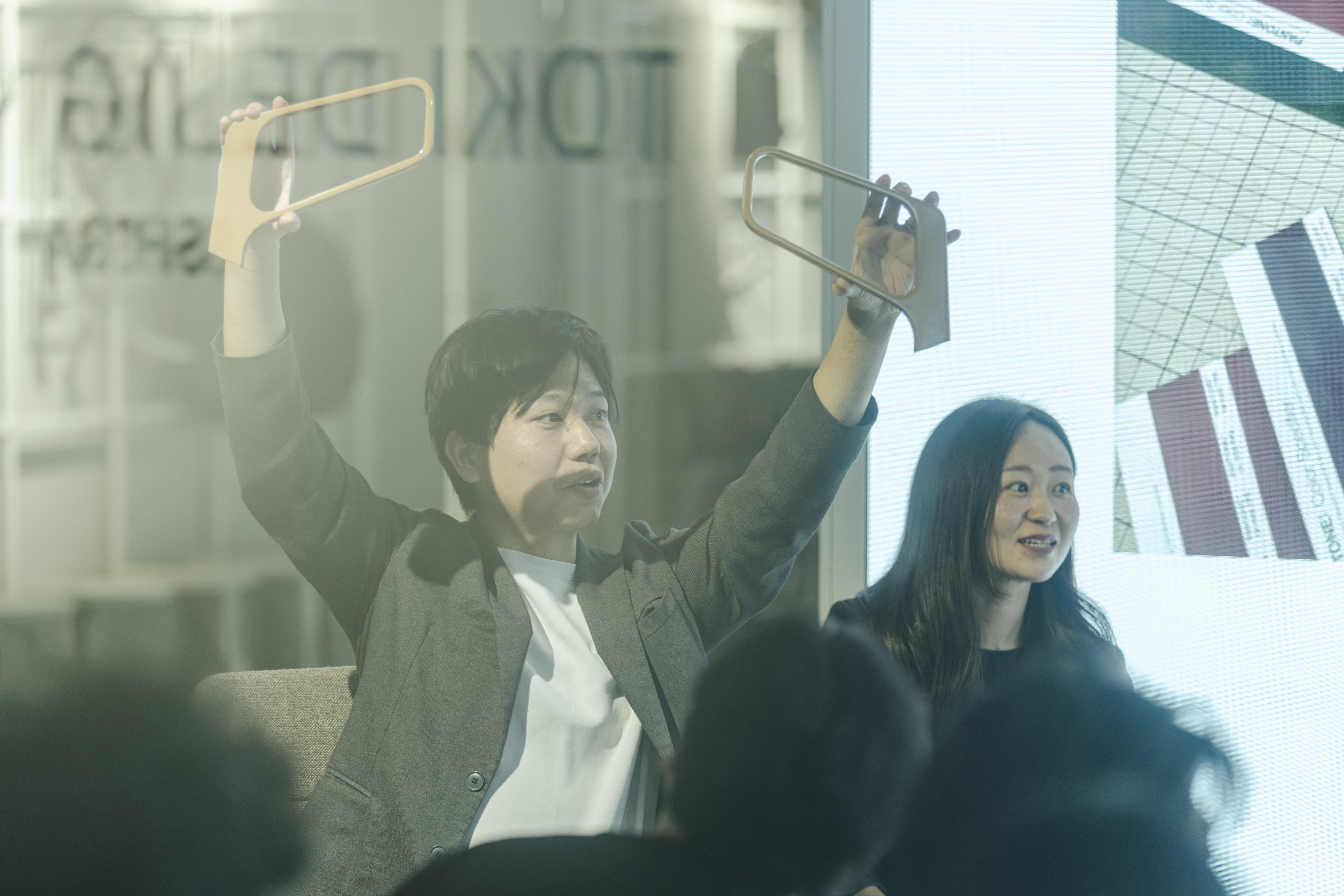
The design team spoke about how the synchro-locking mechanism was built from scratch as the first new development in a long time, explaining that while structures are usually created once and continued to be used for a long time, it was necessary to create a new mechanism based on new ways of working and required functions. After a struggle between the design team's demands that "no protrusions are allowed" and "we want it to look simple" and the requirements of the mechanism that are essential for seating comfort, the team shared their values by trying different chairs and reached a consensus that "if we can achieve this level of seating comfort, let's do it," the team's impressive recounting of the process.
It looked simple, but it was difficult
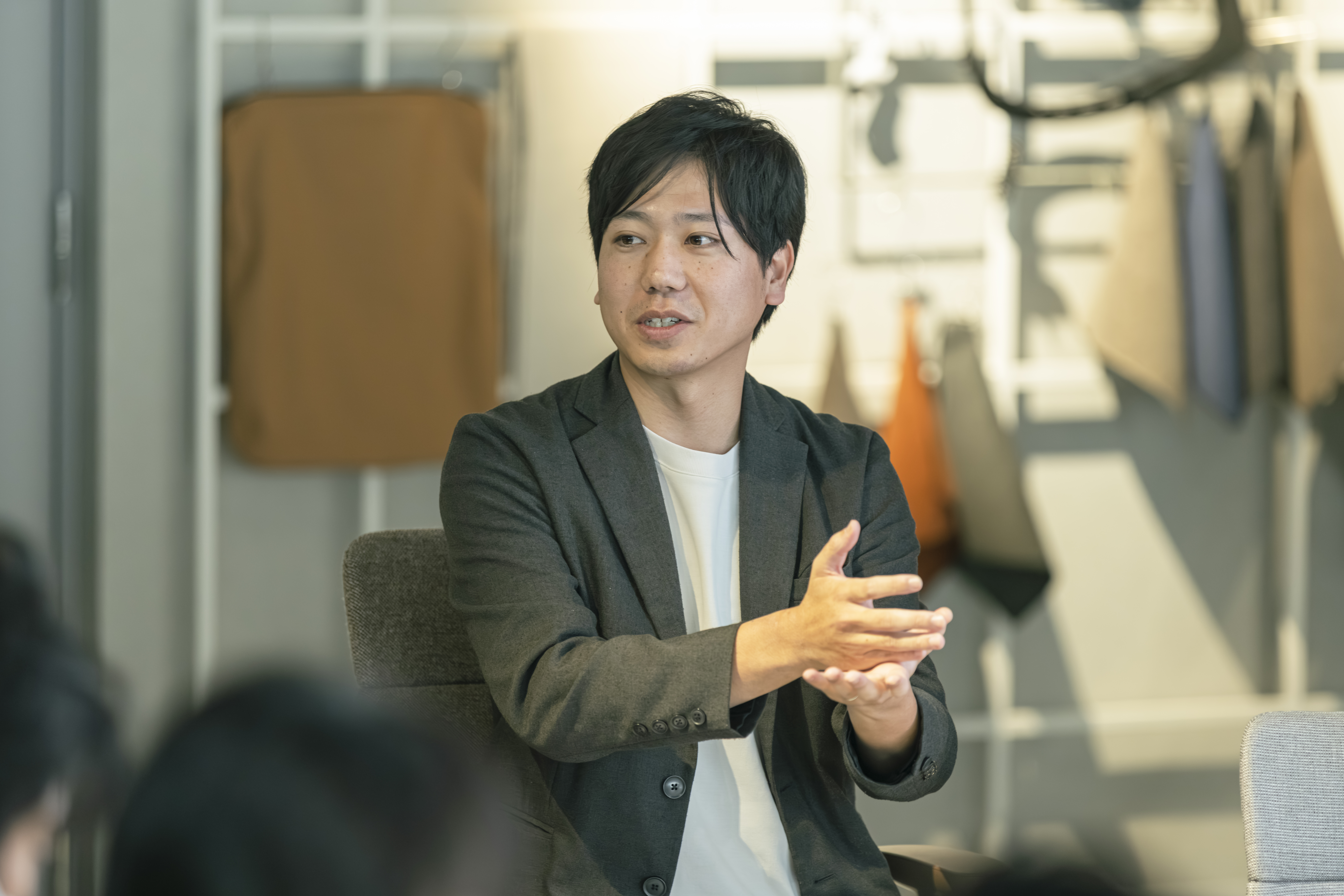
They also discussed the difficulty of creating a design that "divides and creates a finished product." They shared that they made multiple prototypes to ensure the dividing line was of a quality that could be achieved in an industrial product, and continued to challenge themselves even when they felt discouraged. All three of them shared the common understanding that the difficulty of creating the backside was high precisely because it appears simple at first glance.
About the special exhibition
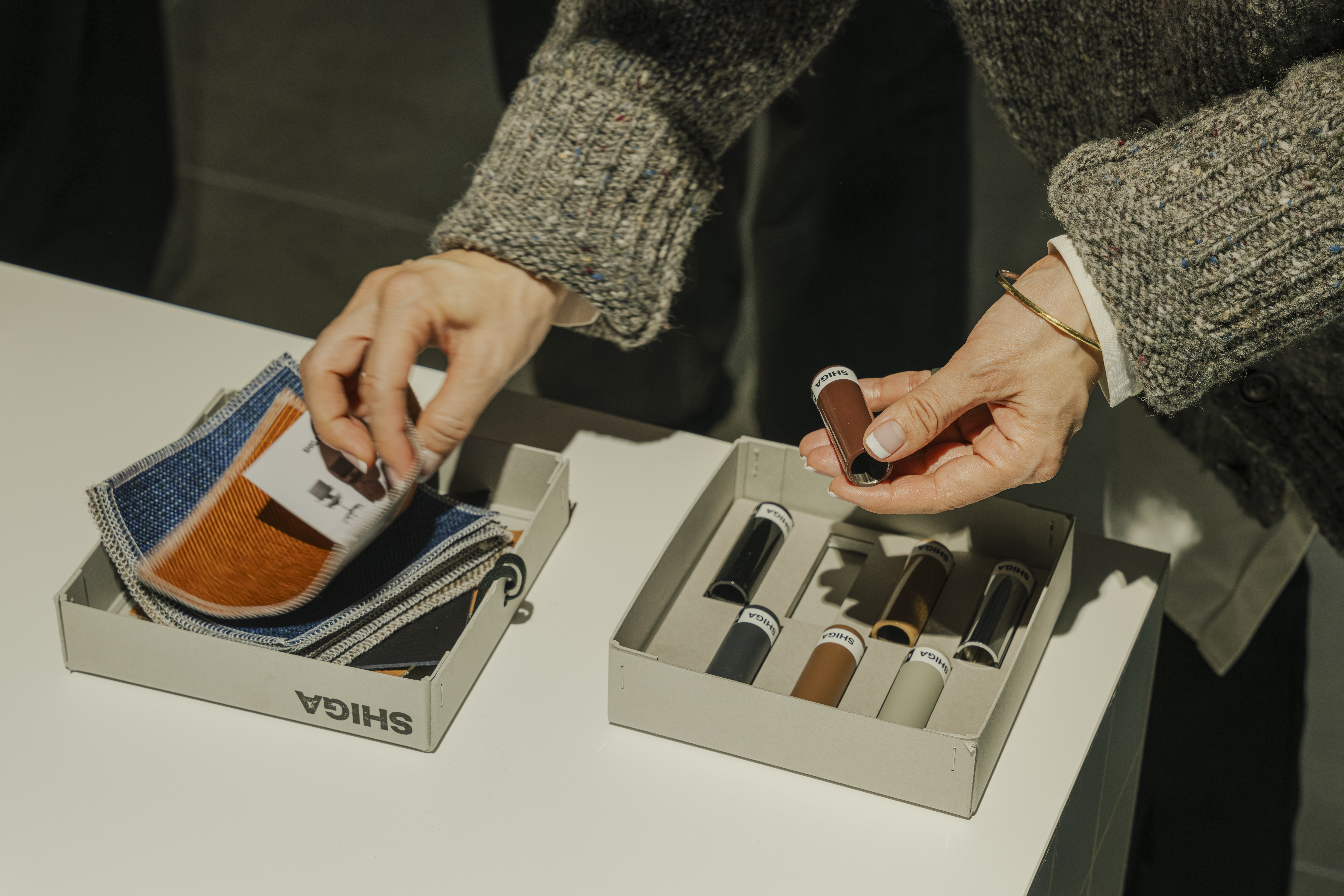
The venue also featured a special exhibition showcasing the planning and design process of "SHIGA" and the changes that took place up until its completion.
The exhibit showed how the project was gradually materialized through early rough sketches, study models, various mock-ups, models for verifying operability and comfort, parts that visualized the internal structure, etc. By comparing these with the finished product, visitors could experience how the design and functionality were refined.
In particular, parts that are not usually visible, such as the operating levers, internal mechanism, thin radio box, and divided back inner, were on display, allowing visitors to see up close the technical ingenuity that has gone into achieving both an "appearance that blends in with the space" and "comfortable seating." Visitors were able to actually touch the chair and sense the trial and error that went into the design, as well as the intention behind the details.
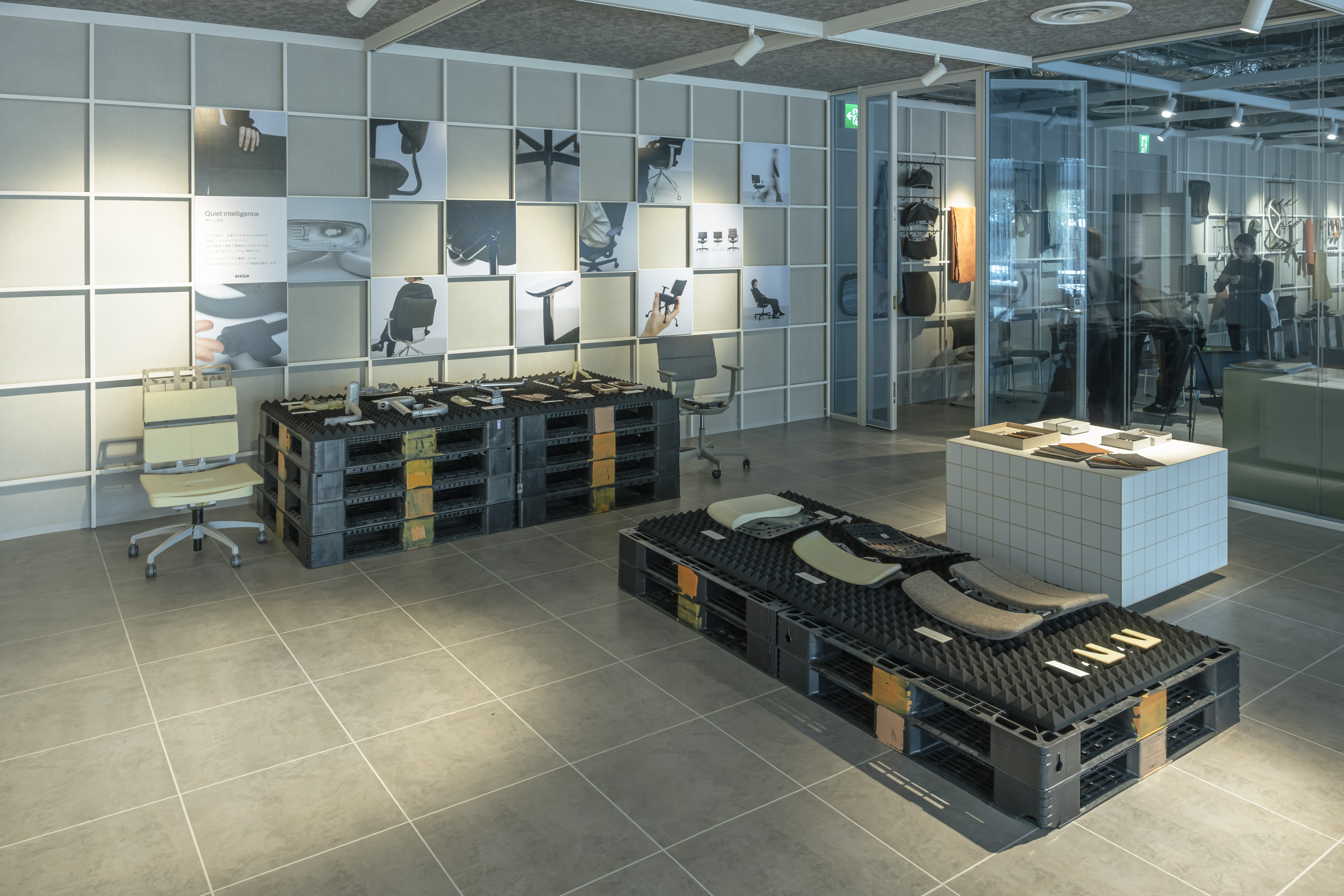
The exhibition space also featured comments from the six design team members, whose average age is 27, who shared their thoughts on the process they were responsible for and "SHIGA."
While the development of work chairs is generally based on many years of experience and past cases, this project was carried out by a team mainly consisting of young members. By repeatedly asking questions such as "Why is it like this?" and "Is it really necessary?", without being bound by precedent or convention, and by repeatedly designing and verifying with a flexible mindset, it was possible to realize a "thin mechanism" that employs a mechanism that had never been seen before.
One of the features of this project was that the exchange of opinions and friendly competition, regardless of position, was a daily occurrence, and the speed with which issues were discussed and decisions were made contributed to the driving force of the entire project. As the design, verification, and improvement processes were carried out at a steady pace, it was clear that a sense of unity was being fostered within the team.
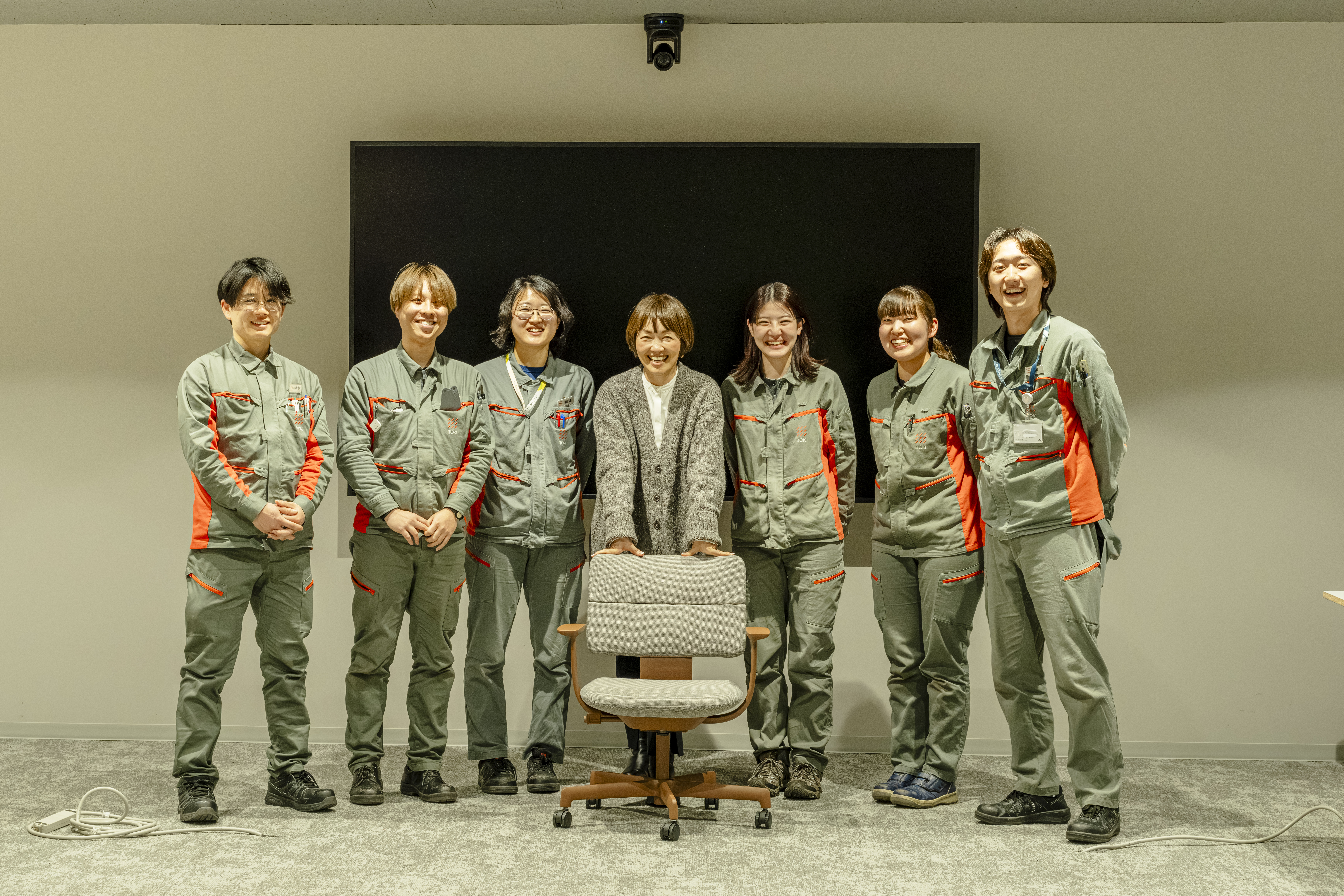
(From left: ITOKI Development and Design Sho Kimura, Aoi Yamaoka, Eriko Amiura / Design Studio S Fumie Shibata / ITOKI Development and Design Kaho Okumura, Yuriko Nozawa, Yusuke Ban)
Gallery

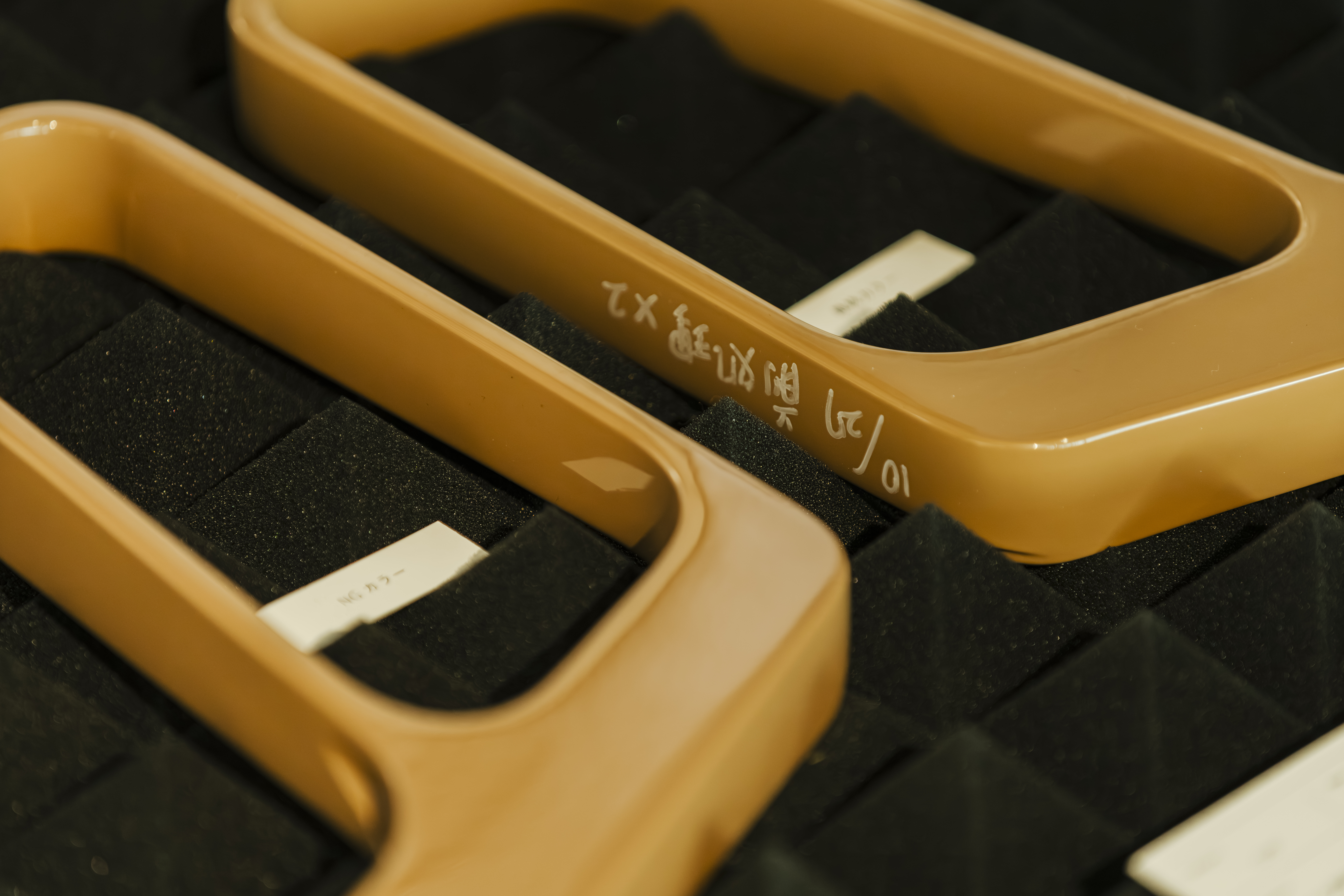
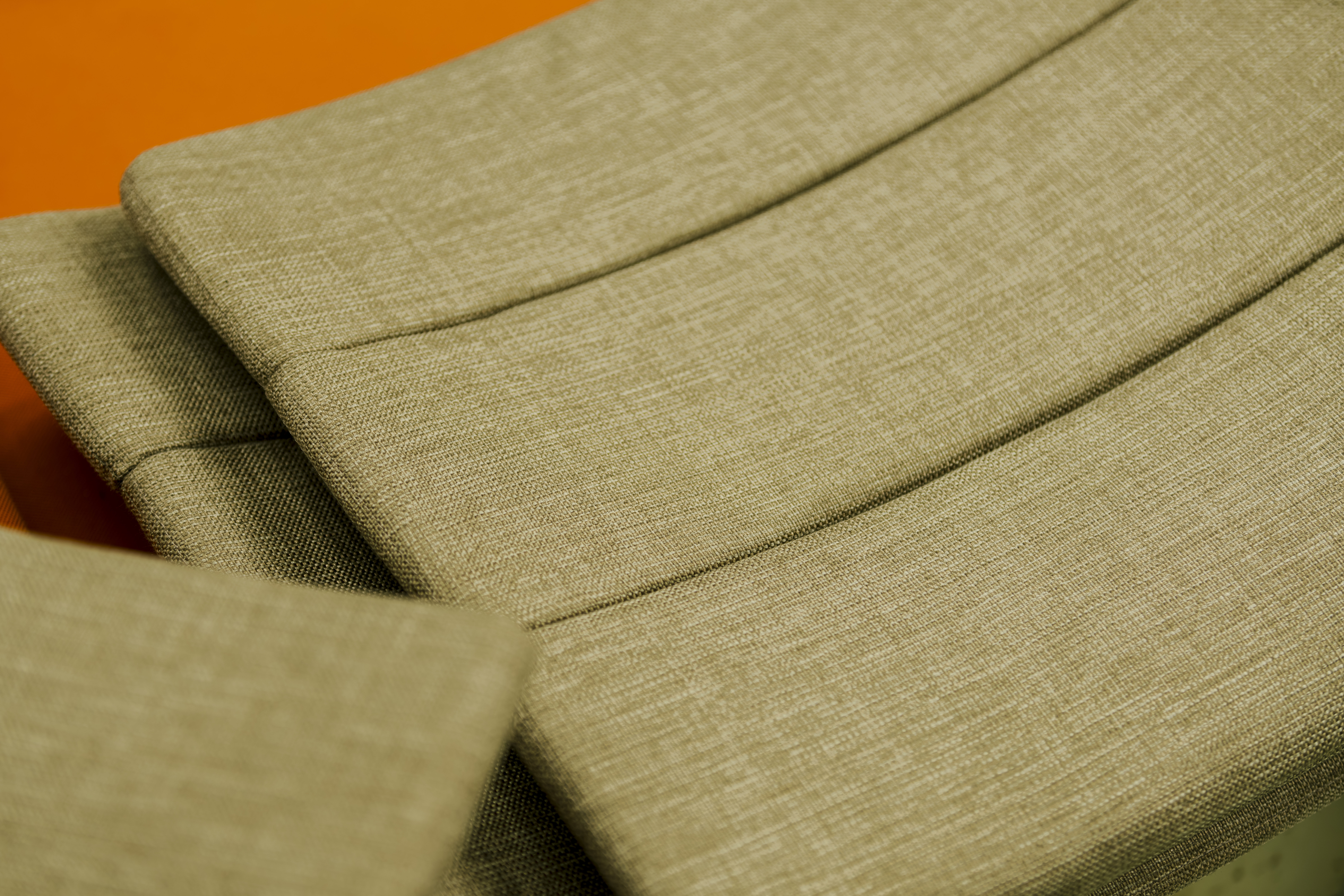
About Fumie Shibata
Principal of Design Studio S. After graduating from the Department of Industrial, Interior and Craft Design at Musashino Art University, he worked for a major home appliance manufacturer before founding Design Studio S. He is currently working on projects with domestic and international manufacturers, ranging from electronics products to everyday goods, medical equipment, and the total direction of hotels. His awards include the iF Gold Award (Germany), Red Dot Design Award, Mainichi Design Award, G Mark Gold Award, and the Design for Asia Grand Prize, Special Cultural Award, and Gold Award. He chaired the Good Design Award judging committee for 2018-2019, and will serve as a professor in the Department of Integrated Design, Faculty of Fine Arts, Tama Art University from 2022.
His book "Another Shape Within One Shape"
About Itoki's Workplace Business
ITOKI CORPORATION was founded in 1890. With the mission statement of "We Design Tomorrow. We Design WORK-Style." the company supports the creation of a variety of "spaces," "environments," and "places" by leveraging its strengths of "Tech x Design based on PEOPLE," including the manufacture and sale of office furniture, office space design, “Space," “Environment," and “Place" consulting, and office data analysis services, as well as furniture for working from home and studying at home, and equipment for public facilities and logistics facilities.
As hybrid work becomes more common and the places and ways of working become more diverse, we are developing spatial digital transformation to enhance productivity and creativity, as well as consulting services to support optimal office operations. We are also proactively collaborating with external designers and partner companies to propose new work styles and workplaces for the future.
To this release
Contact information
Please contact us using the inquiry form below, writing "About SHIGA Events" in the message field.
press personnel
Contact information
株式会社イトーキ
コーポレートコミュニケーション本部
広報課
TEL:03-6910-3910
- The information posted is current at the time of publication. Please note that the information may differ from the latest information.