


September 3, 2026
Opportunities only come to those who are prepared. An executive officer at Itoki talks about how to forge your own career path.


In 2019 and 2020, Itoki recorded net losses for two consecutive periods, and its employee engagement score remained in the 40% range. However, after implementing company-wide reforms centered on management and human resources, the company achieved record-high sales and operating profits, and its engagement score improved to over 80%. One of the key figures in this transformation was Saeko Kawashima, who joined the company in 2019 as the head of public relations and investor relations.
In the first part, we introduced the corporate communications reforms that Ms. Kawashima has been leading. In the second part, we will trace Ms. Kawashima's career, from her early days as a newcomer when she couldn't find meaning in her work, to her challenge in the unfamiliar fields of investor relations and public relations, and eventually to becoming an executive officer, and delve into her views on work and life.
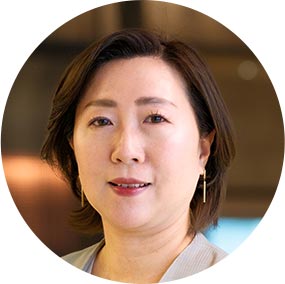
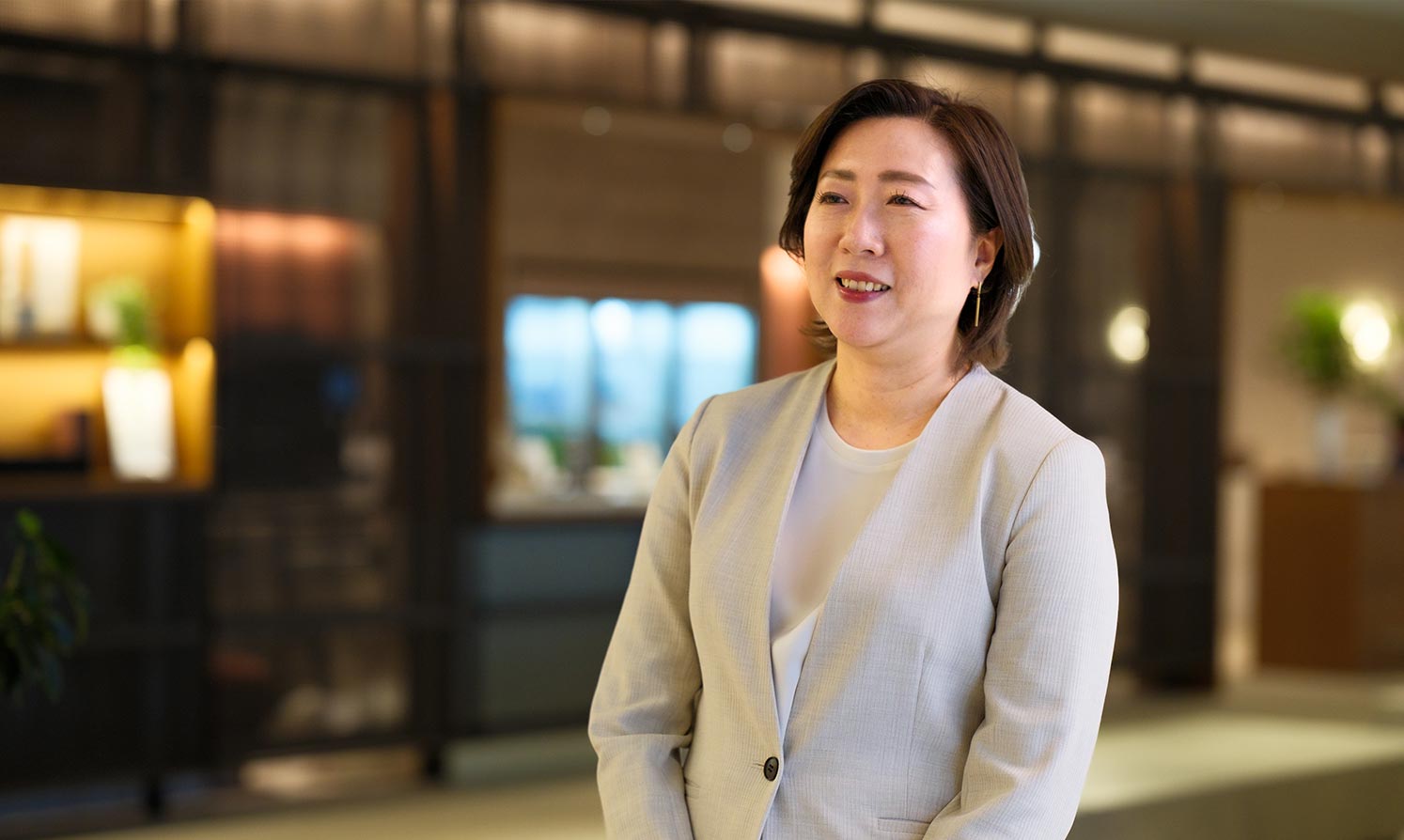
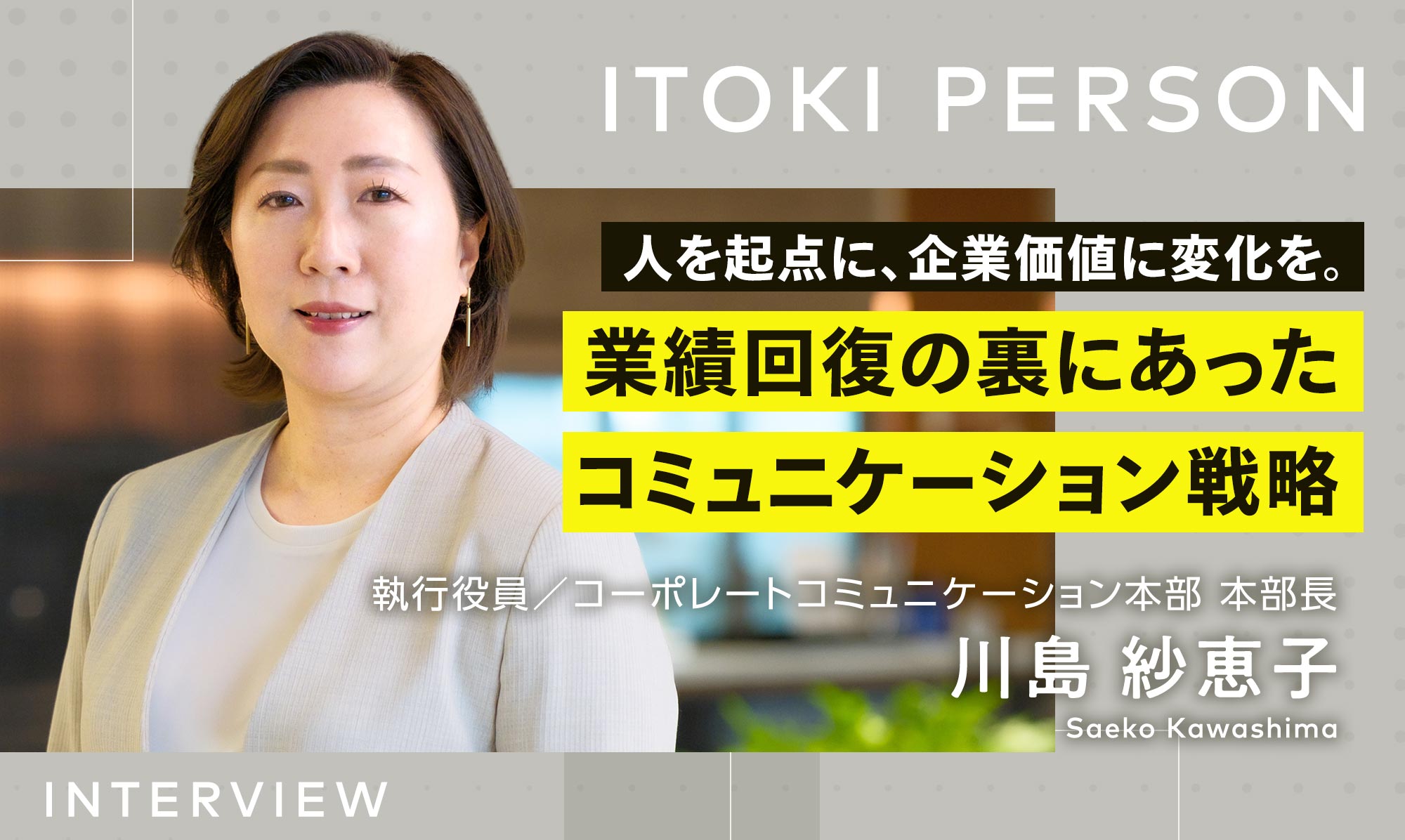
Executive Officer and Head of Corporate Communications Division, ITOKI CORPORATION
*As of September 2026
Saeko Kawashima
After working for a major credit card company and a marketing research company, she joined Itoki in 2019. She is broadly responsible for corporate communications, including public relations and investor relations. She works to build relationships with stakeholders from various angles.
*The department, position, and system are those at the time of the interview and may differ from the current information.
Contents
- What's important when doing work is "understanding the meaning" of the work you're doing.
- After work, I spend my days attending classes. Because I'm inexperienced, I value my commitment to continuous learning.
- Whenever I was faced with a choice, I always chose the more difficult option.
- "Don't get up empty-handed after falling." There's always something to be gained from doing something.
- Life is built up by a continuous series of "doing this now."
What's important when doing work is "understanding the meaning" of the work you're doing.
—First, please tell us about your experience when you first started working. What were your thoughts on work at that time?
The truth is, I hadn't really envisioned a future where I became a company employee. From a young age, I was engrossed in performing arts like ballet and theater, and I never even considered becoming a company employee. I studied psychology in college, and since I love children, I thought becoming a school counselor would be a good option.
Amidst all of that, I ended up joining a major credit card company as a new graduate. My first assignment was to painstakingly look up the address codes written on application forms, using a thick address book. To be honest, I felt like it wasn't for me.
After about six months, I asked my senior colleague, "How long am I supposed to keep doing this job?" and they were astonished and replied, "This is your job!" (laughs). At the time, I didn't really understand what was interesting about the job, or what meaning there was in the work in front of me.
—Whatwas the turning point that made you start to find your work interesting?
Even so, I viewed my first year as a period to gain experience and focused on the tasks at hand. In my third year, I was transferred to the credit assessment department, which I had hoped to do from the beginning. I found the work of deciding whether or not to issue cards based on credit information interesting. Being able to make decisions responsibly suited me.
That's when I first realized, "Maybe work is actually quite interesting." My work performance was recognized, and I even received the President's Award. My attitude towards work, which had initially been "I'll quit in three years," gradually changed to "How can I do better?" and "Let's try this next time."
Work becomes interesting when you can find meaning in it yourself, rather than just following assigned tasks. This was the first time I truly realized that.
After work, I spend my days attending classes. Because I'm inexperienced, I value my commitment to continuous learning.
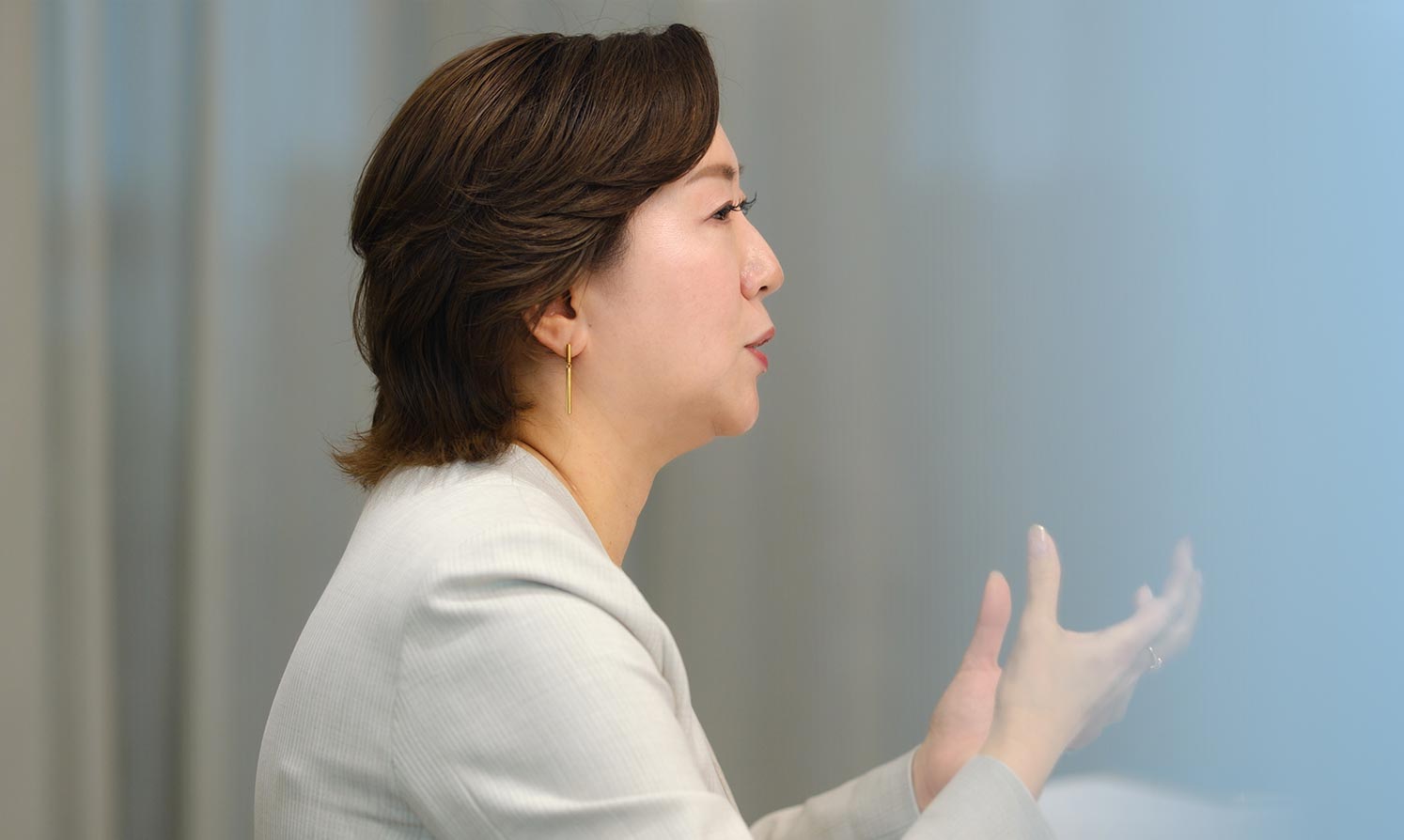
—Havingencountered the interesting job of credit assessment, why did you decide to challenge yourself in investor relations, a field you had no prior experience in?
Actually, after receiving the President's Award, I was starting to think about what my next career step should be, when an incident occurred that drastically shook the company's management structure. Yet, work continued on the ground as if nothing had happened. Seeing that, I began to wonder, "What exactly is a company?" and became interested in the company itself.
Around that time, I heard that an IR (Investor Relations) department was being established to fulfill accountability to investors, so I immediately decided to apply for the internal position. I thought it might give me a chance to learn "what management is all about." Looking back, I think this was the starting point that led to my current career.
—Wereyou not anxious about jumping into a job you had no experience in?
Although my transfer was successfully approved, I had no knowledge of investor relations at the time, and I couldn't even read financial statements. When I was told to "separate the investors' business cards into buy-side and sell-side," I had no idea what they meant (laughs). I learned from the people in corporate planning, and after work I attended night school to study diligently.
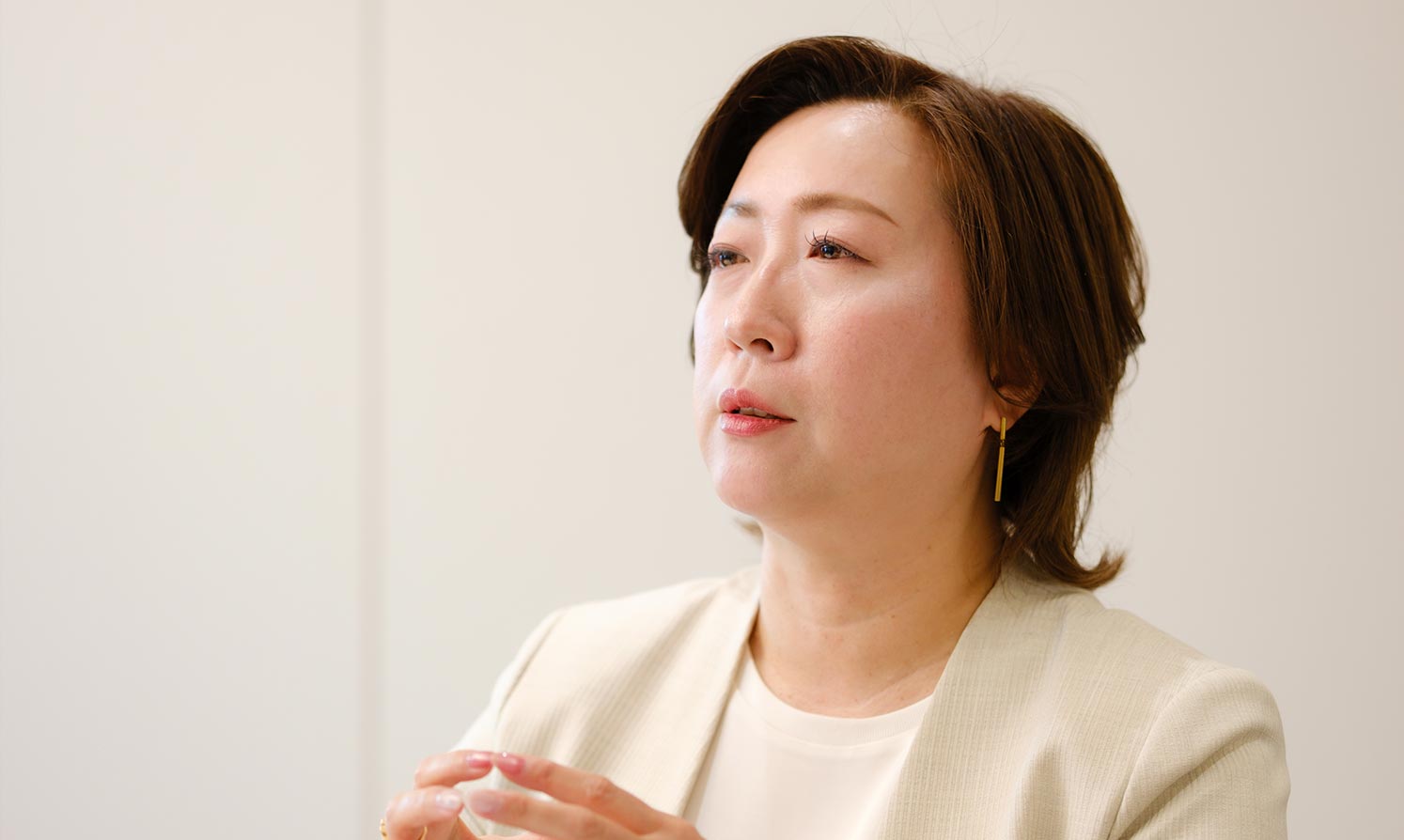
—Whatwere your impressions after actually experiencing IR work?
At first, I struggled to keep up every day, but as I actually worked, I came to feel that IR (Investor Relations) is a very interesting job. IR work is about conveying the facts accurately without making grandiose claims; it's about being"honest."Not being arrogant, not being humble, always remaining neutral. I felt that this integrity suited me.
But just when I was finally starting to understand the appeal of investor relations (IR), the company was delisted, and the IR department was abolished.
Therefore, I switched jobs to a marketing research company that was aiming to be listed on the Tokyo Stock Exchange Second Section (※ the market classification at the time), and pursued investor relations (IR) further. Furthermore, I also took on the challenge of public relations for the first time. Just as I had learned about IR, I acquired knowledge from scratch by studying to become a PR planner and participating in external PR communities. I felt that public relations, like IR, was a job that became more profound the more I learned about it, and where I could create value myself.
—Howdid you expand your career after that?
The second company I worked for was the only one in Japan that offered a truly outstanding service, even by global standards. However, at the time, their approach mainly involved slightly revising drafts written by people on the ground and distributing them as press releases. Naturally, this approach rarely caught the attention of the media, and the business divisions didn't see the point in communicating. So, I came to believe that the role of public relations and investor relations was to discover the value of what was happening on the ground and deliver it to society, and I thoroughly studied the work being done on the ground and how they differed from other companies. Gradually, my scope of work expanded, and at the age of 37, I became the head of the president's office, taking on the roles of managing team members, acting as the president's personal secretary, and handling investor relations and public relations.
Whenever I was faced with a choice, I always chose the more difficult option.
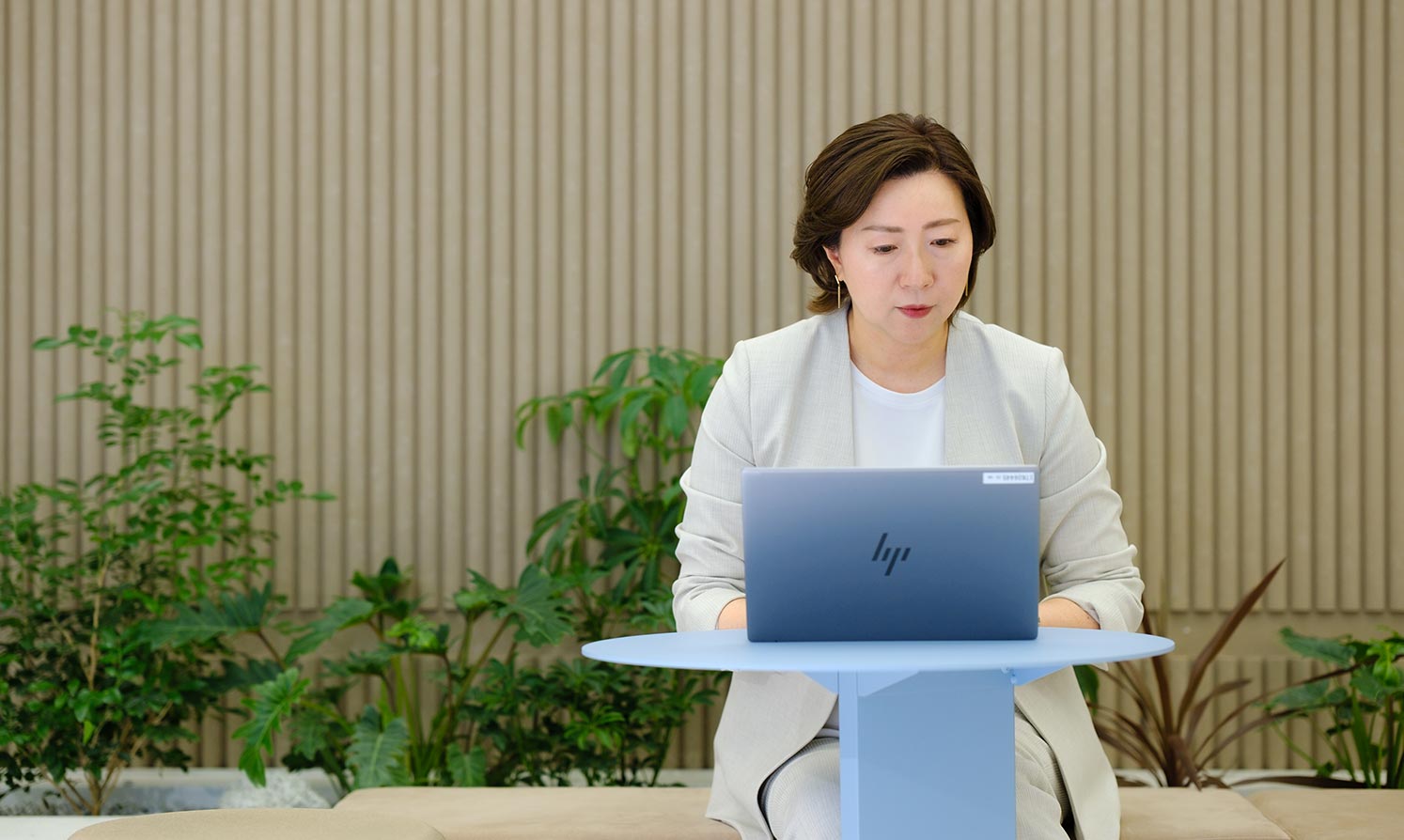
—Wheneveryou've had to make a major career decision, what have you used as your main guideline?
Looking back, whenever I was faced with a choice, I always chose the more difficult path. For me, "difficult" meant there was more room for growth. I wanted to know the reasons behind "why things are the way they are," and that curiosity may have led me to challenging environments.
The catalyst for me thinking about the next stage was the retirement of a CEO I respected. My agent introduced me to two companies: one working on a rapidly growing business, and Itoki, which had a multitude of challenges. And once again, I chose the more difficult one (laughs).
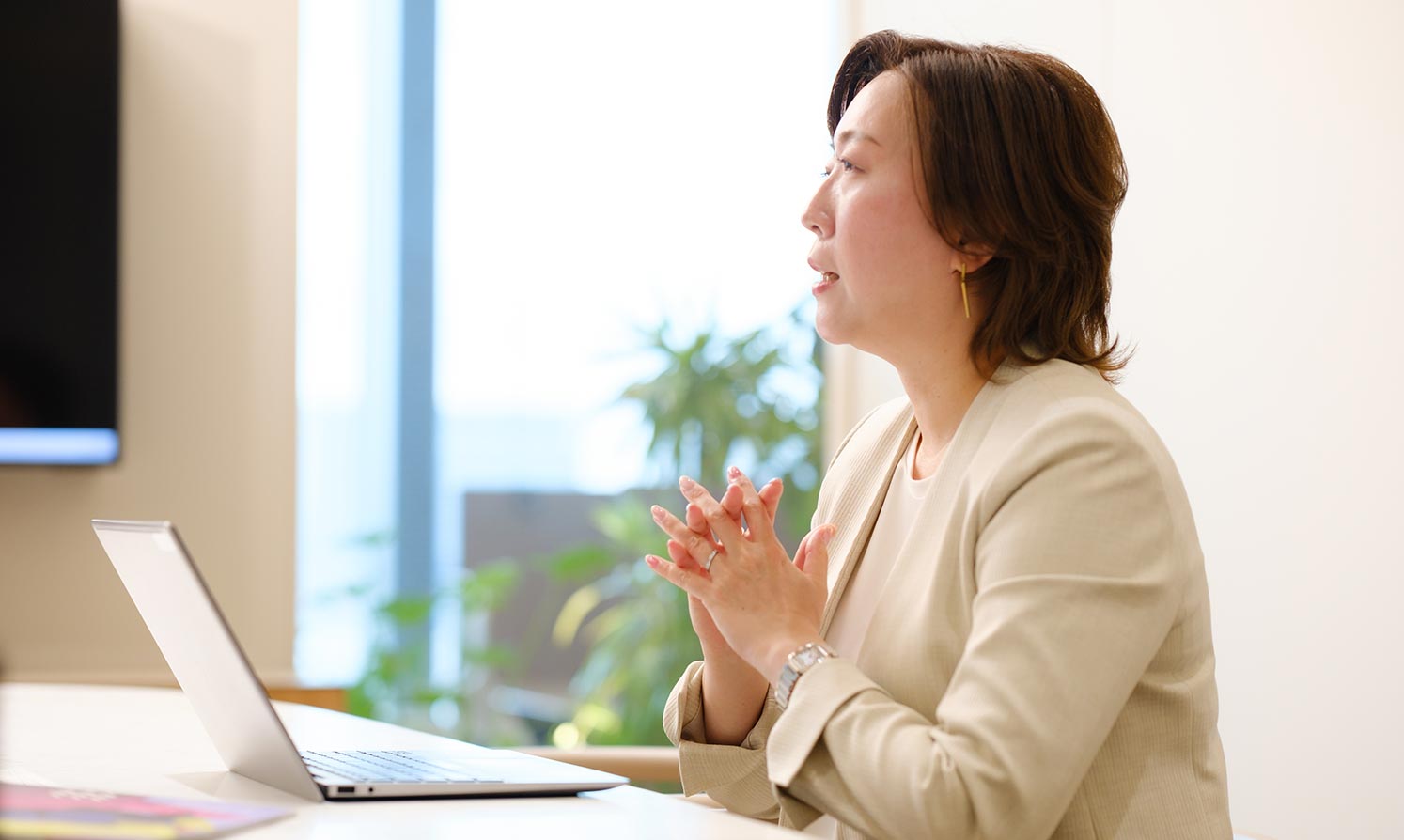
—Whydid you choose Itoki, which is considered the more challenging company?
At the time, Itoki was performing poorly and was in need of someone with expertise in investor relations, public relations, and sales promotion, so I strongly believed that I could offer the knowledge and skills I had cultivated up to that point. On the other hand, reality was much harsher than I had imagined. There was no handover from my predecessor, the team consisted of members with no experience in investor relations, there was a wall between PR and sales promotion, and problems occurred almost every day. I seriously considered quitting after just one month on the job.
While all this was going on, Koji Minato became our President and CEO. I resonated with his vision of bridging the gap between management and the factory floor and valuing the manufacturing process, and his words, "Let's change Itoki together," gave me the push I needed. The team members, although only entrusted with partial responsibilities, had incredible potential. It was the feeling that "I can't leave these kids behind" that kept me from quitting. Even now, the CEO tells me, "I'm surprised you didn't quit" (laughs).
"Don't get up empty-handed after falling." There's always something to be gained from doing something.
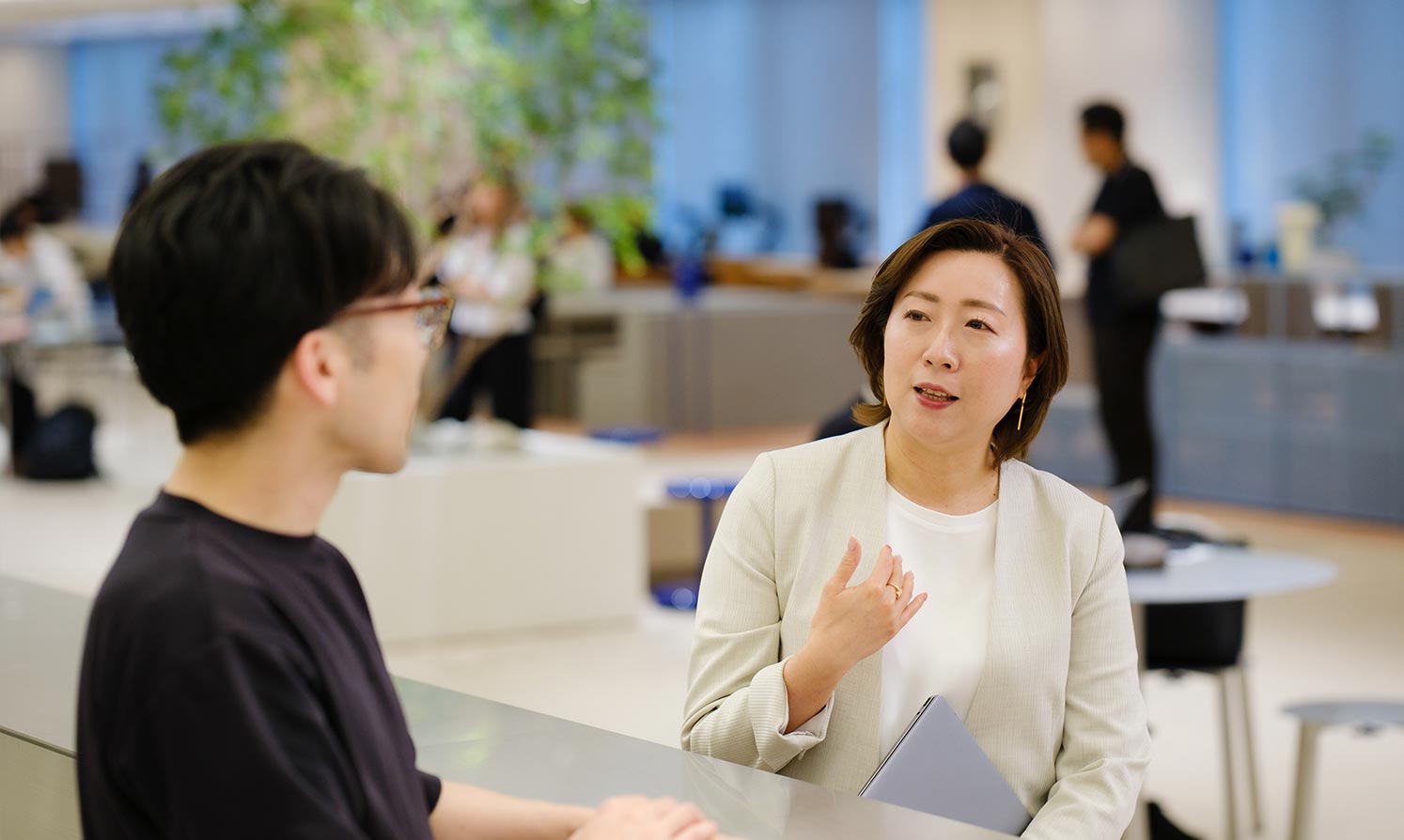
—Haveyour approaches to work changed as you've built your career?
As I've risen through the ranks, I've come to feel a stronger sense of responsibility to make more accurate decisions. This is because, in 2024, I became the General Manager of Corporate Communications, and in January 2026, I was appointed Executive Officer and General Manager, which increased the opportunities to be asked for my opinion in various management-related situations.
One line from a TV drama that left a lasting impression on me was, "If you want to do the right thing, you have to rise to a high position." For me, it's the exact opposite; the higher I climb the corporate ladder, the more I feel I must make the right decisions.
──Doesthat way of thinking also extend to how you interact with the other members?
I repeatedly tell my subordinates, "Don't just get up empty-handed after falling." When I was a child, my parents always told me, "There's always a lesson to be learned from everything." Even if you don't achieve great success, there are always things you can only understand through experience.
It's always better to try something than nothing, and even failures can be valuable lessons. It's important to accumulate what you learn from each experience. Whether you can seize an opportunity when it arises depends on how much preparation you've done up to that point. Unexpected experiences can sometimes lead to your next path.

--Mr.Kawashima, what is your own approach to team building and management?
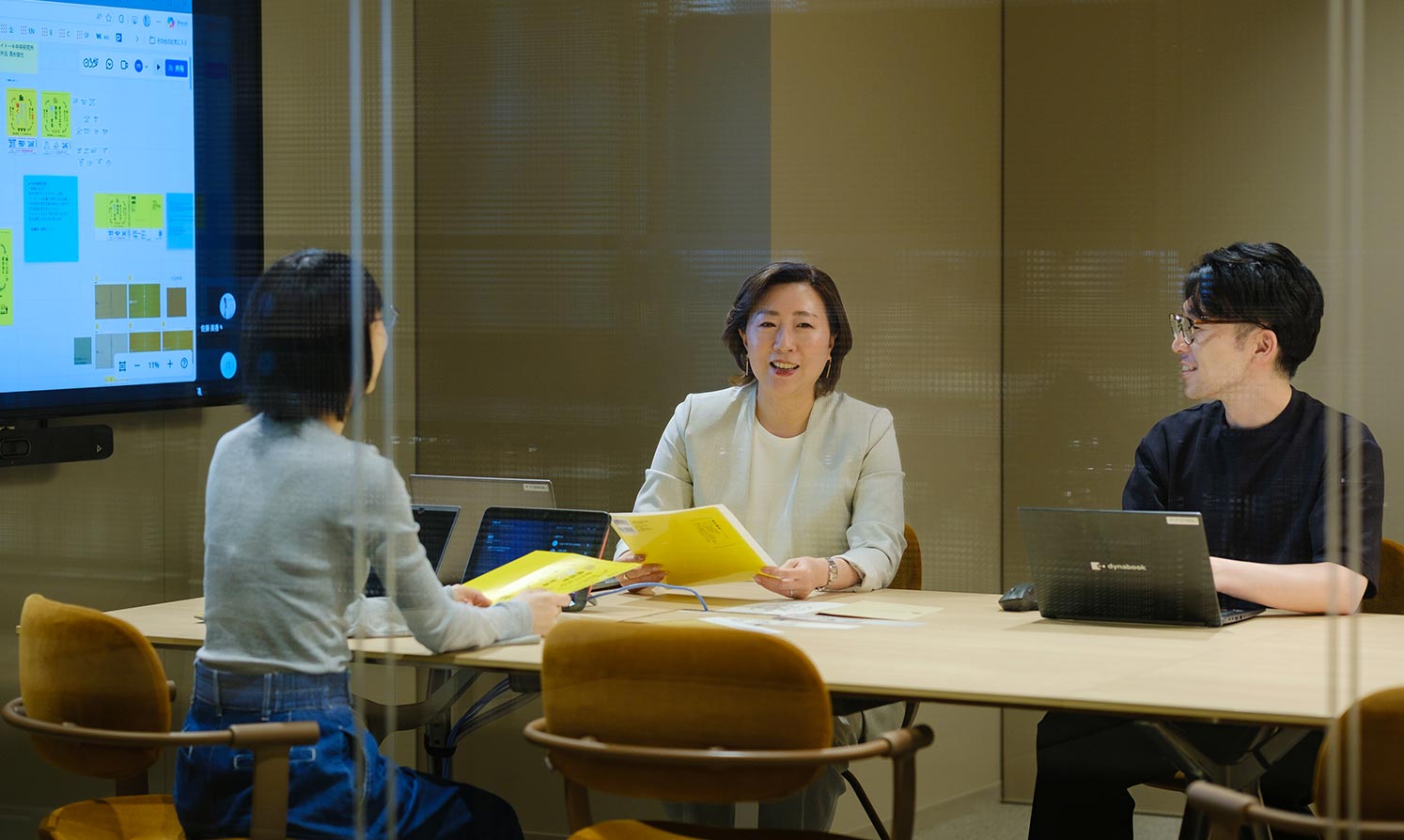
In the Corporate Communications Department, the members take the initiative in their work, so I rarely do any hands-on work myself these days. My management style is to initially support them, and then gradually entrust them with more responsibility once I determine they are ready to work independently. It's more enjoyable when you can work with autonomy, isn't it?
What I'm always thinking about is how much I can contribute to the growth of my team members. I've decided that when hiring, I don't hire people who are similar to me. When you have a group of people who are all the same type, they tend to compare themselves to each other. But if each person can be proud of their own strengths as a professional, they can focus on developing their own strengths rather than comparing themselves to others. That's the kind of team I strive to build.
I also cherish the words I learned from a respected superior at my previous job: "Employees must be professionals." As long as we are receiving a salary, we must never forget to be professionals. I make it a point for our employees to continuously hone their skills and knowledge so that even if the company were to disappear tomorrow, they would surely be called upon somewhere else.
Life is built up by a continuous series of "doing this now."
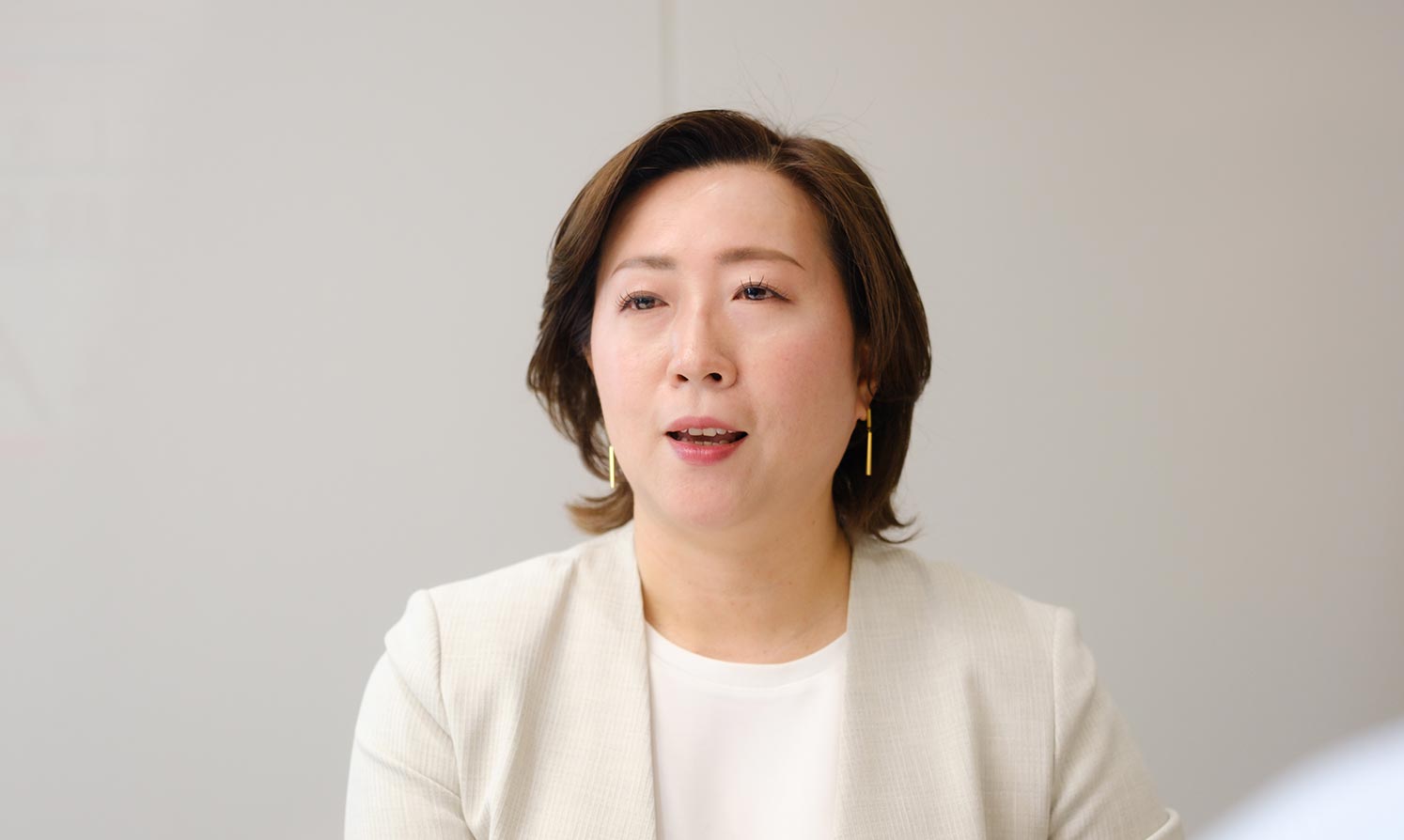
—Howhas your current work philosophy been shaped?
When I was in fifth grade, my father, a dentist, passed away suddenly at the age of 45. When a patient told me, "Thanks to your father, I can now enjoy eating," I realized, "My father is gone, but his work lives on in someone's heart." I came to understand that working is "proof that I existed in this world."
At the same time, my father's death shaped my view of life and death, and became the driving force behind my actions, following my passions and intuition. Death is the same for everyone, and it comes suddenly. Therefore, instead of thinking, "When should I do it?", I should act immediately when I feel like doing something.
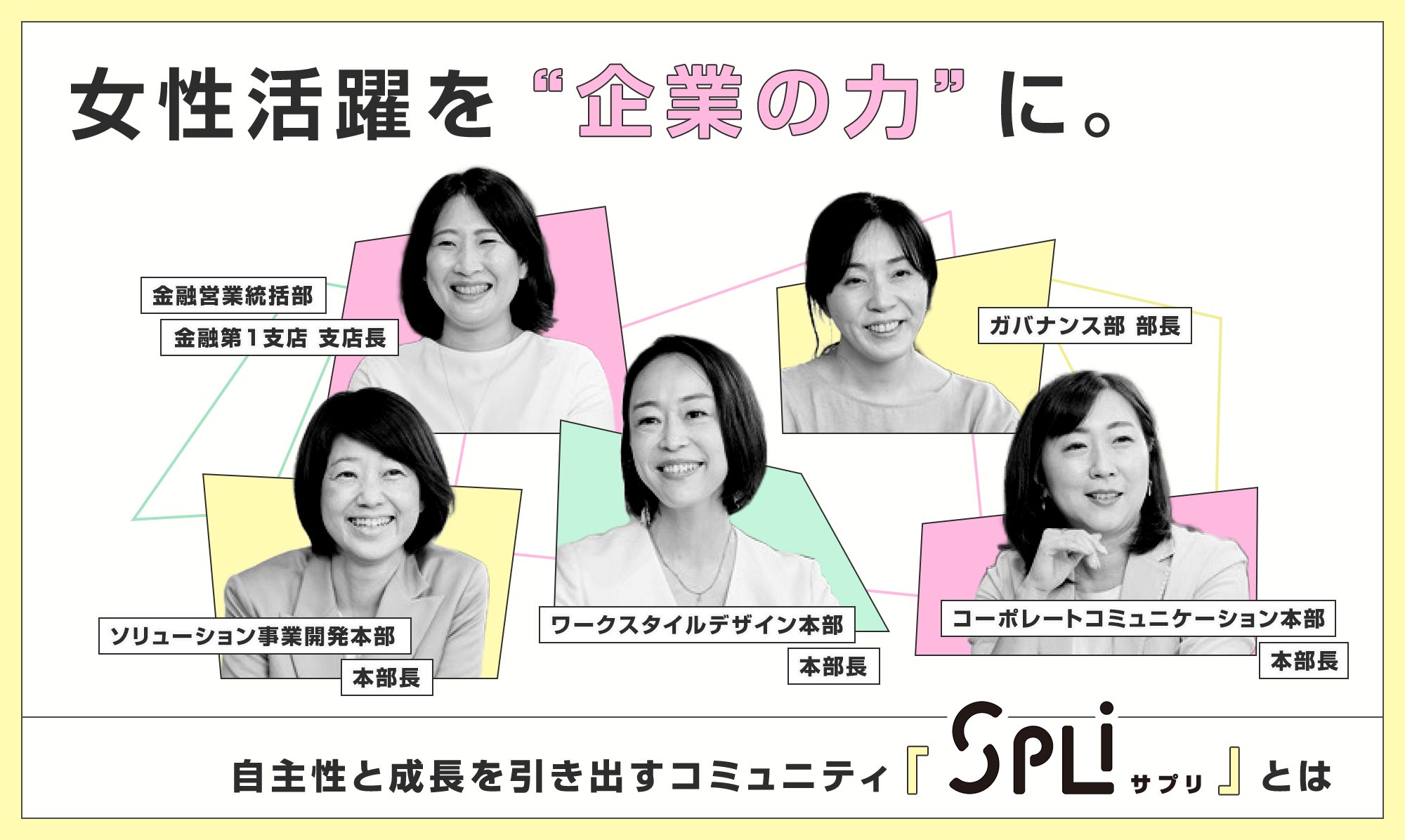
As the first leader of the women's empowerment community "SPLi," I have been involved in activities that help female employees think about their own careers. What I convey there is the importance of not overthinking things like marriage and childbirth, but rather focusing on what you can do now.
We all imagine our future, thinking about when we'll get married and when we'll have children. But most things don't turn out the way we expect. So, instead of narrowing your options by dwelling too much on an uncertain future, it's more important to cherish what you can do and what you want to do at each moment. Life is built up by a continuous series of "doing this now."
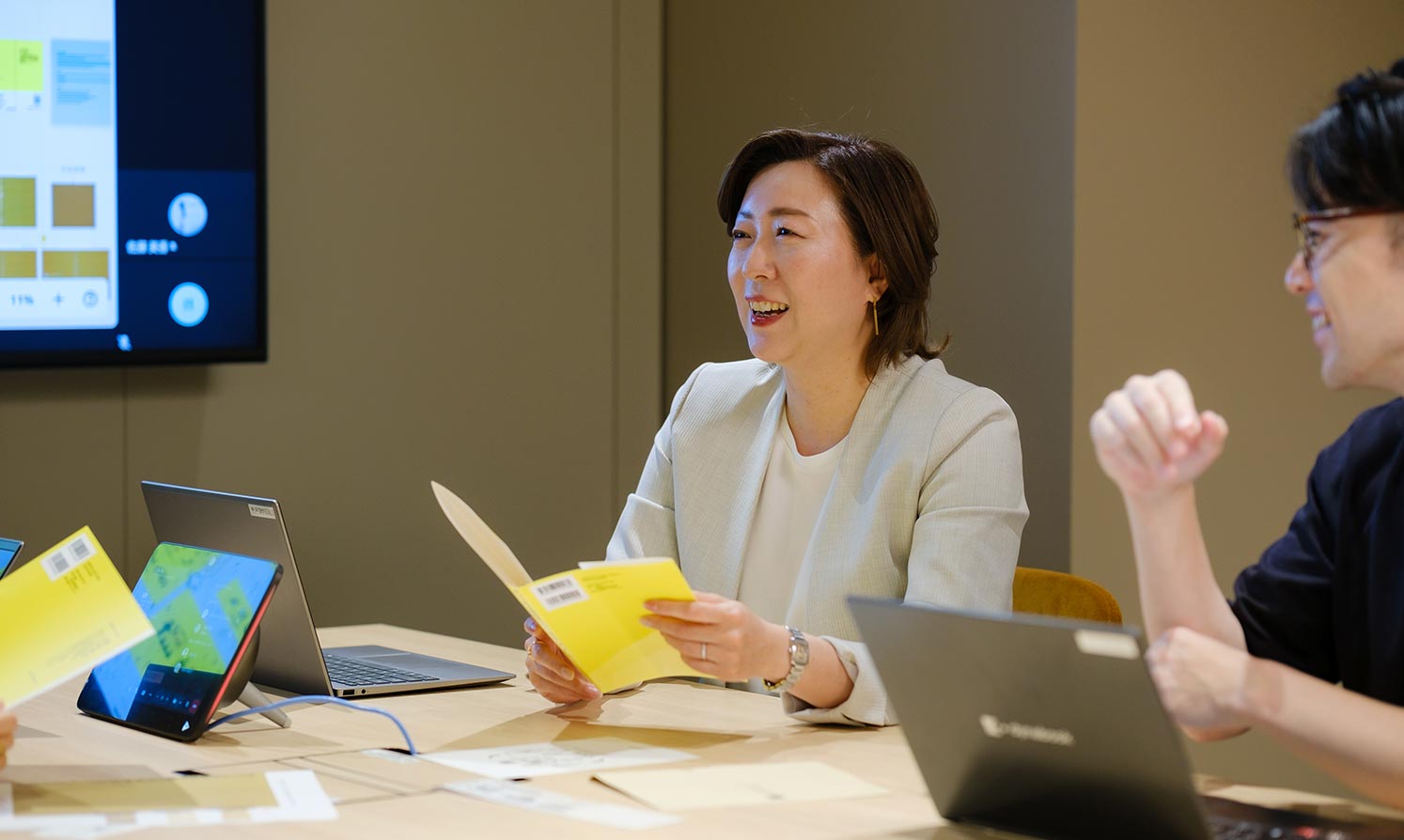
—Finally, do you have a message for readers who are about to start building their careers?
"What exactly is a company?"
My career began with that question, but ultimately, I believe a company is made up of "people." I'm incredibly fond of everyone who works at Itoki. The other day, when I witnessed a new employee from Vietnam giving a presentation in Japanese with all his might, tears welled up in my eyes and wouldn't stop. I had watched them grow since the recruitment stage, and seeing how much they had grown brought tears to my eyes.
I feel that this company offers the joy of encountering such scenes. As a part of that, I hope to help nurture even more people who can spread their wings and soar to greater heights.
I didn't have a clear goal from the start. But by facing what was in front of me at each moment and continuing to learn, my career gradually expanded. Rather than overthinking the future, I think it's better to start by building on "what you can do now." Unexpected opportunities may be waiting for you along the way.
Related article
Related products/solutions

- The department, position, and system are those at the time of the interview and may differ from the current information.
Recommended Articles
-
July 8, 2026
"This can't go on like this." What was the breakthrough that the sales team found amidst their struggles?
-
June 3, 2026
Work methods that keep the workplace running. A "common language" that everyone can understand drives the whole operation.
-
![Beauty and comfort born from "unprecedented" design. The hidden technology behind "SHIGA" [Behind the scenes of SHIGA development - Part 1]](/company/itokistory/column/2026010/assets/img/recom_img_02B.jpg)
May 8, 2026
Beauty and comfort born from "unprecedented" design. The hidden technology behind "SHIGA" [Behind the scenes of SHIGA development - Part 1]
-
March 3, 2026
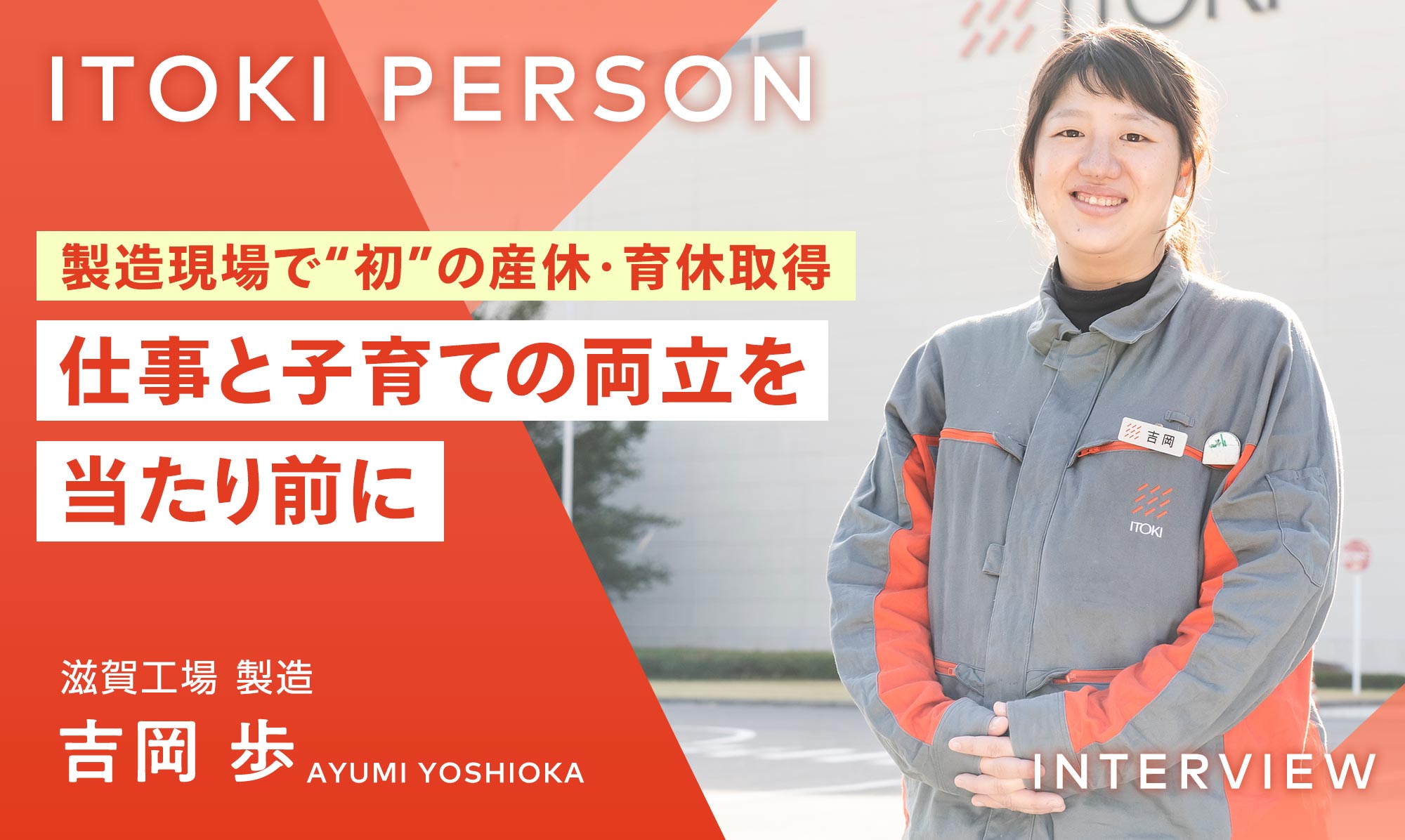
The first to take maternity and childcare leave at a manufacturing site. Creating a workplace where "balancing work and childcare" is the norm.
-
January 29, 2026
Outside the company, outside the world: The perspective of ITOKI space designers broadens through exposure to different cultures