


June 23, 2026
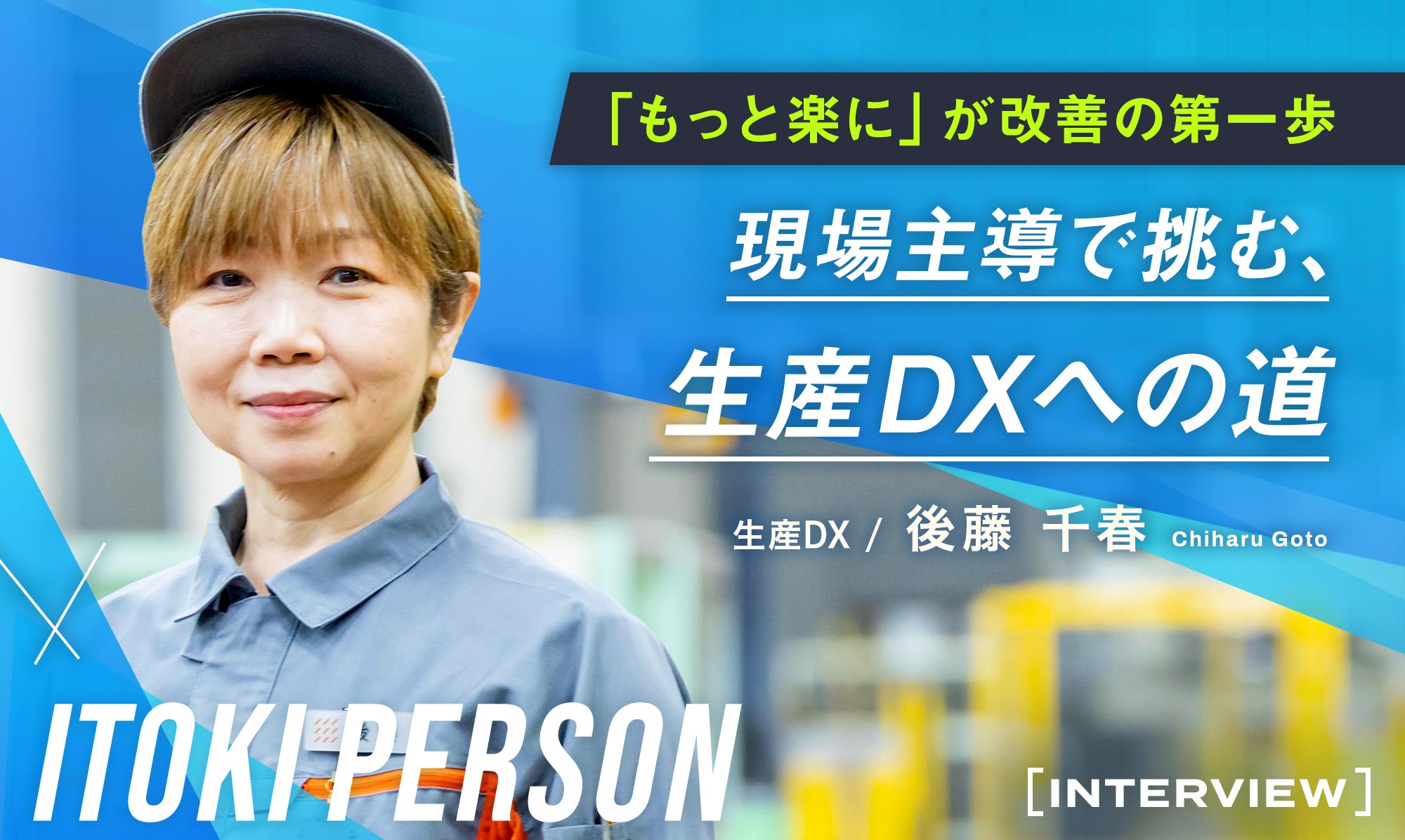
"Maybe we can do this more easily" – this is the key to improvement. A factory-led approach to production DX and smart factories.


"I want to make my work more efficient," "There are things I want to improve, but I don't know where to start"—many people probably face challenges like these while juggling various tasks.
"People who work in factories are cool." Based on this belief, which she developed from growing up in a factory, Chiharu Goto is currently working on production DX at ITOKI's Production Headquarters. Driven by a desire to be helpful from a position close to the factory floor, she has been promoting improvement activities using RPA (Robotic Process Automation). For example, she has achieved results such as automating the creation of order plans with RPA, reducing the work time from 60 minutes to 5 minutes, and her efforts also won the silver prize at the "Business Innovation Conference 2024," which judges and recognizes internal business improvement cases.
What Mr. Goto values most is not completing improvements on his own, but expanding the circle of improvement by turning ideas from the field into reality. In this interview, we asked him about the thoughts behind this approach and his aspirations for production DX. For those who want to improve but don't know where to start, this story is full of hints to help you take that first step.
ITOKI CORPORATION Production Headquarters, Production DX Management Department, SCM Reform Department, Production Reform Section
*As of June 2026
Chiharu Goto
After working on OCR and business system development at a system development company, he joined Itoki in 2019. He promotes improvement activities from a position close to the manufacturing floor. Currently, in the Production DX Management Department, he is involved in data utilization and business reform toward the smart factory concept. He also runs "Goto School," an initiative for volunteers within the company to promote on-site-led automation.
*The department, position, and system are those at the time of the interview and may differ from the current information.
Contents
- "I want to become a part of the factory team." This was the starting point of my career, which led me to aspire to work on the production floor.
- Production DX connecting the field and data, and collaboration expanding through RPA improvements.
- The "Goto School" saw over 80 participants in its first session. It's a system designed to foster a culture of mutual teaching.
- Itoki's unique culture of continuous improvement. Our goal is "improvement created by everyone."
"I want to become a part of the factory team." This was the starting point of my career, which led me to aspire to work on the production floor.
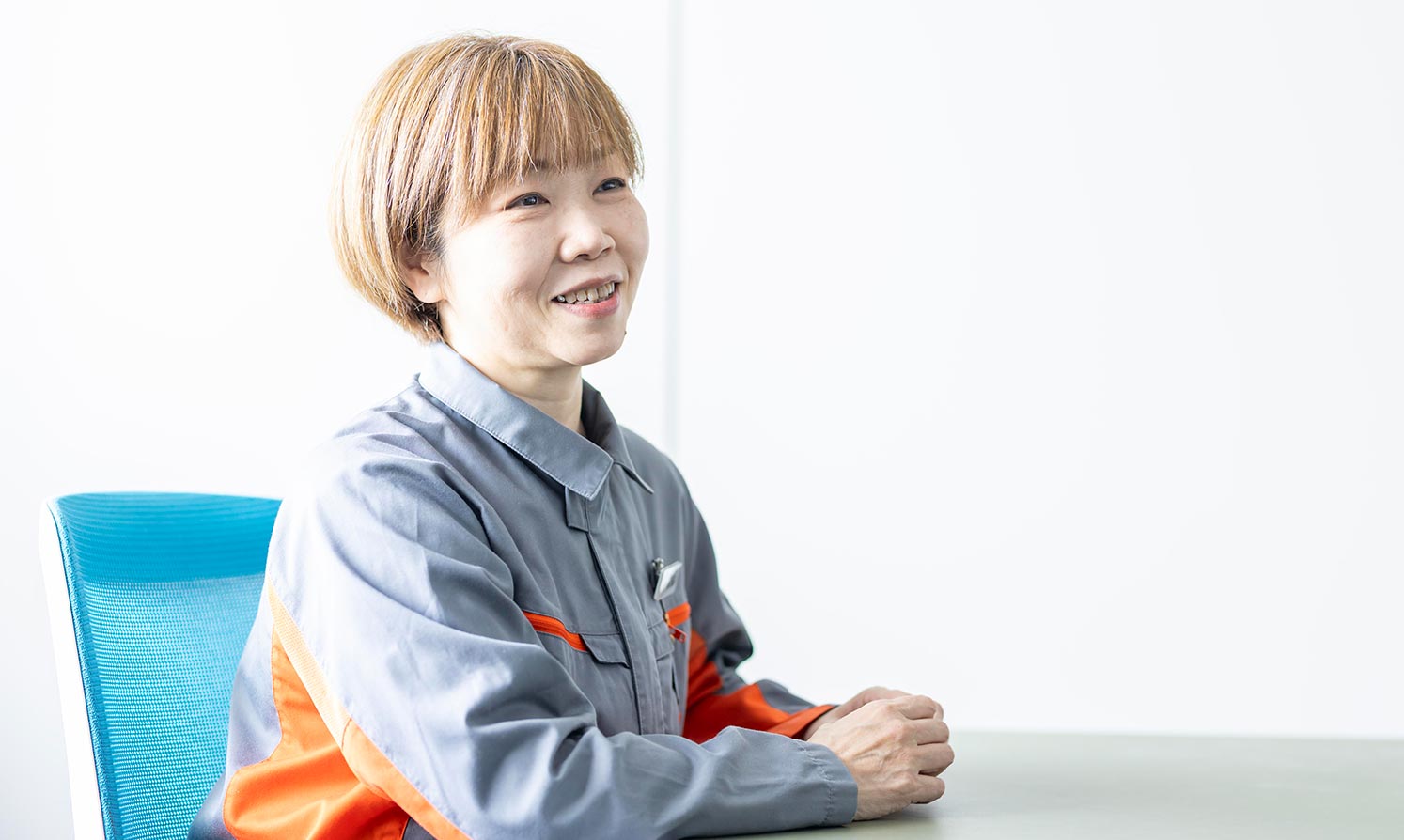
My roots lie in my family's textile factory. I grew up going in and out of the factory since I was a baby, constantly watching the process of how things are made through the collaboration of machines and people.
Back then, the toolbox my father gave me was a treasure. I thought the way craftsmen adjusted the machines with wrenches was so cool, and I wanted to be one of them! However, as a child, I didn't have many opportunities to work with machines. That's when I discovered the world of systems.
With systems, you can be involved in manufacturing regardless of your physique or gender. With that in mind, I pursued a career as an engineer and have been involved in OCR (optical character recognition, a technology that converts text in documents and images into text data using image analysis), databases, and business system development. While I found satisfaction in creating convenient systems, I also began to feel frustrated that I wasn't fully capturing the true voices of those on the ground.
Implementing a large-scale system can solve fundamental issues affecting the entire business.
However, on the other hand, the small problems that people working on the front lines experience on a daily basis were often not addressed or resolved. Feeling that this was a challenge, and wanting to be able to help from a position closer to the front lines, I decided to change jobs and join Itoki.
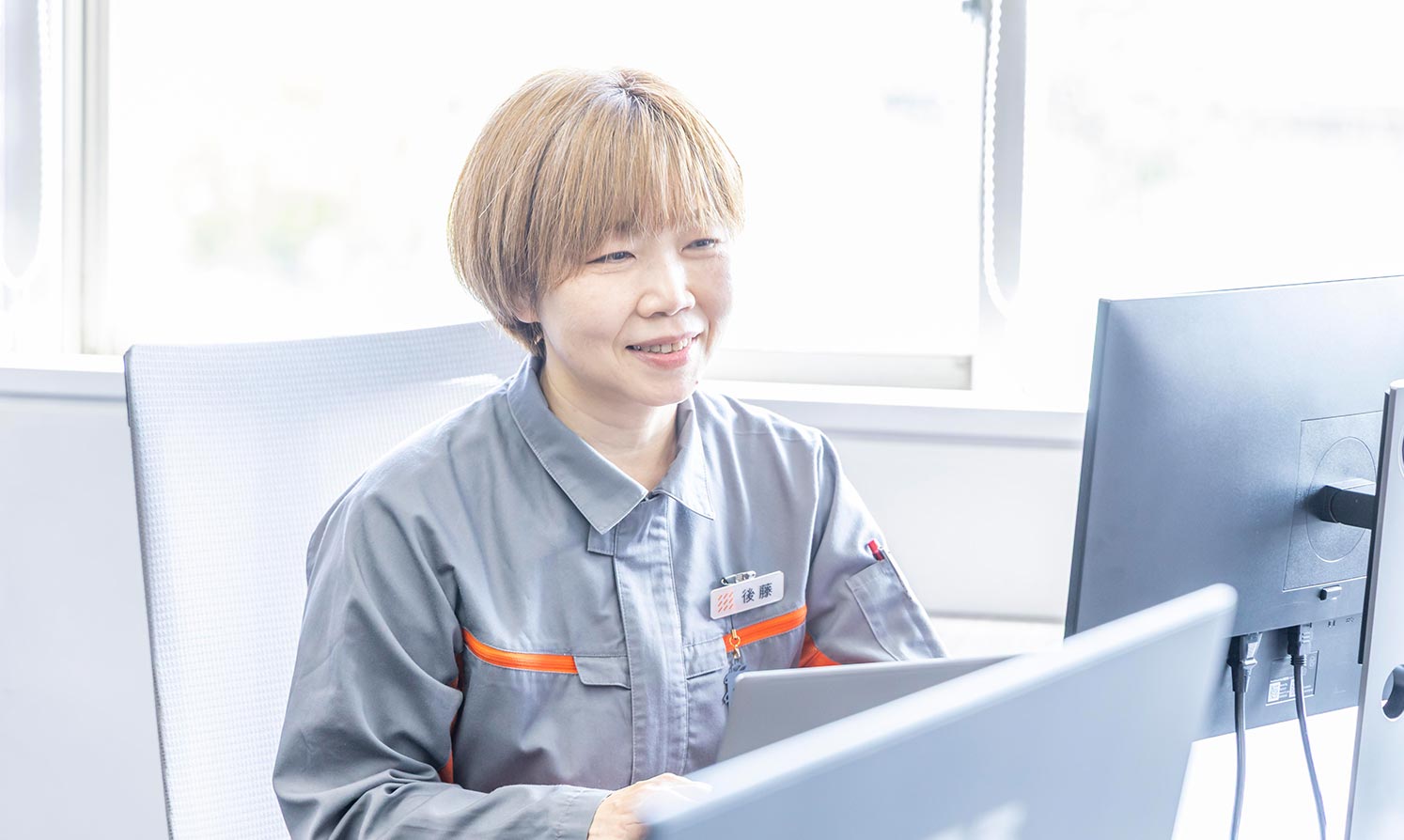
Production DX connecting the field and data, and collaboration expanding through RPA improvements.
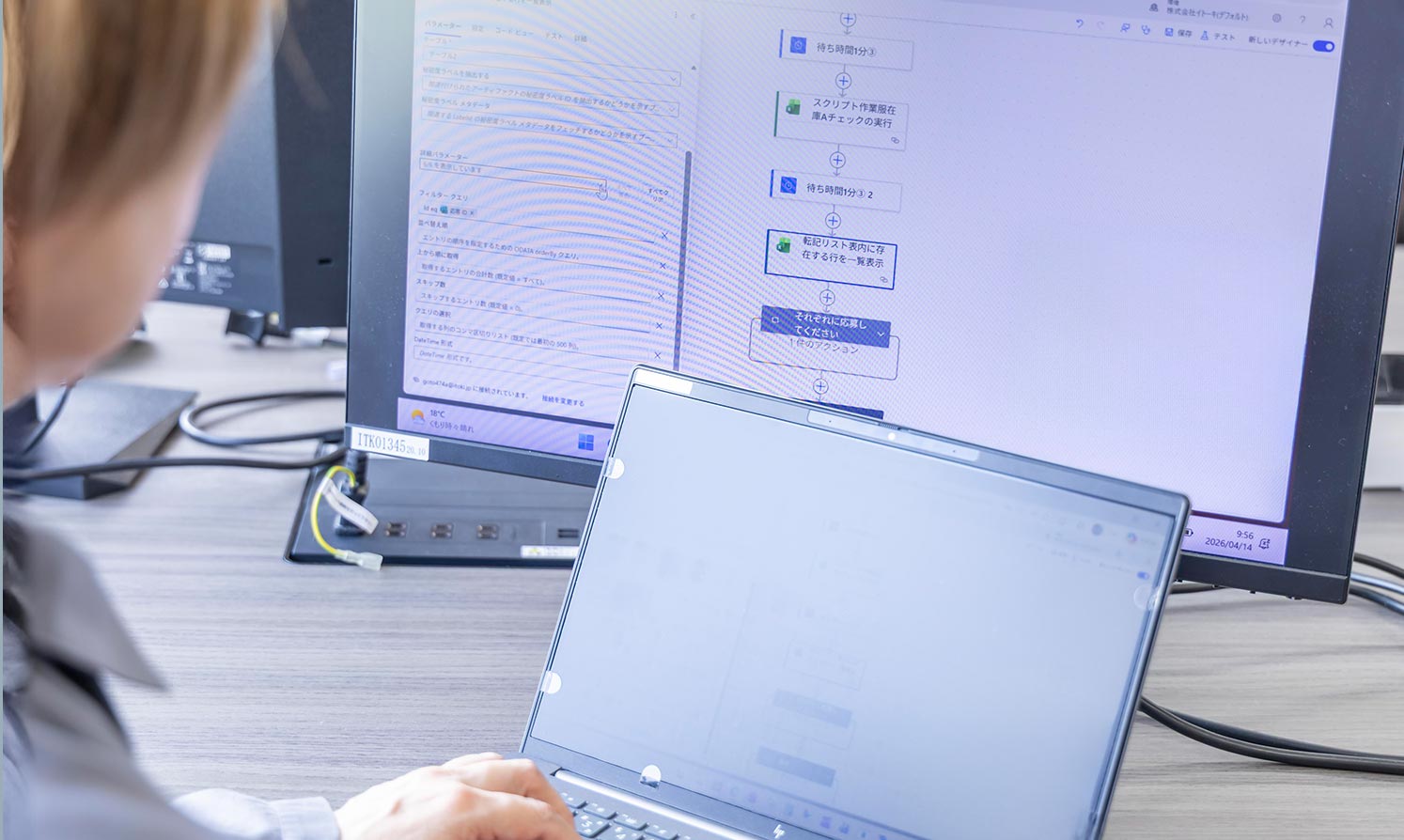
When I first joined the company, I was in charge of handing over order confirmations to the production plan. Some parts of the process were automated with the core system, but some parts were manual and required no errors or omissions. In the midst of this highly responsible work, I began to find opportunities for improvement every day, such as "this can be automated" or "this can be done more easily," and this has become the foundation of my current activities.
As I gradually automated small tasks on a daily basis, I found that I could finish my work much faster than I expected. With the extra time I had, I started going around to the team leader's office and the work sites to talk to people. As a result, I started getting more and more requests like, "Can you do this too?" and "It would be even more helpful if it were like this."
This led to a movement to brainstorm improvement ideas and collaboratively consider how to implement RPA, and gradually the scope of improvement expanded beyond within the department to other departments as well. I don't think this would have been possible anywhere but Itoki. There's an environment here where you're not stopped from pursuing what you want to do.
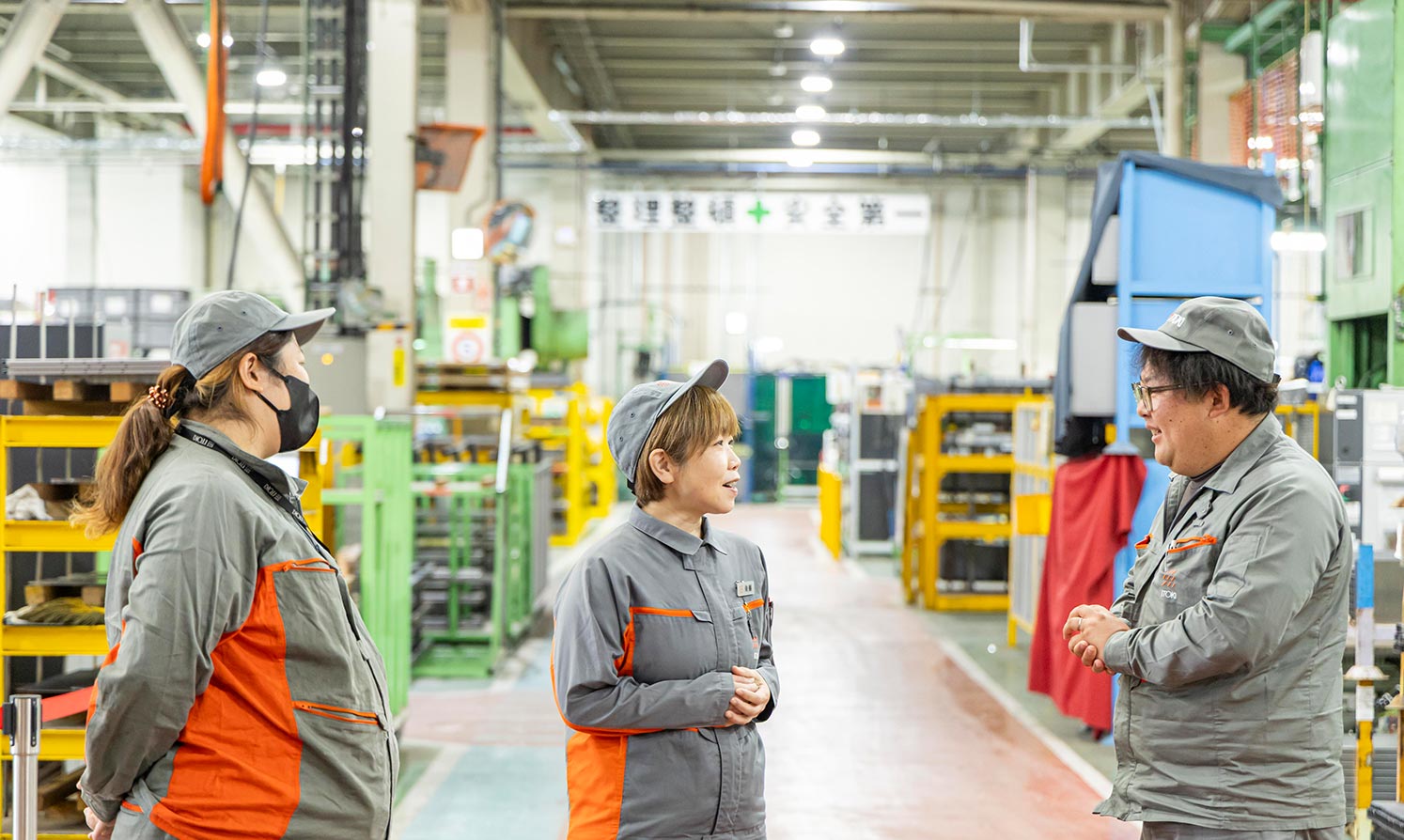
What I value most is not "teaching" others, but "turning the ideas of people on the ground into reality." I believe that this is the key to accelerating improvements driven by those on the ground.
Currently, I'm in charge of initiatives toward smart factories in the Production DX Management Department. A smart factory is a next-generation factory that optimizes the entire manufacturing process by connecting all equipment and systems within the factory via a network. We are building the foundation for creating such a factory of the future, focusing on how to collect, utilize, and circulate data scattered throughout the factory floor.
I believe that "improvement ideas from people on the ground" have value. While large-scale system implementations are certainly important, I think that automating the small, everyday problems and "itchy spots" that arise on the ground is also essential for overall optimization.
The "Goto School" saw over 80 participants in its first session. It's a system designed to foster a culture of mutual teaching.
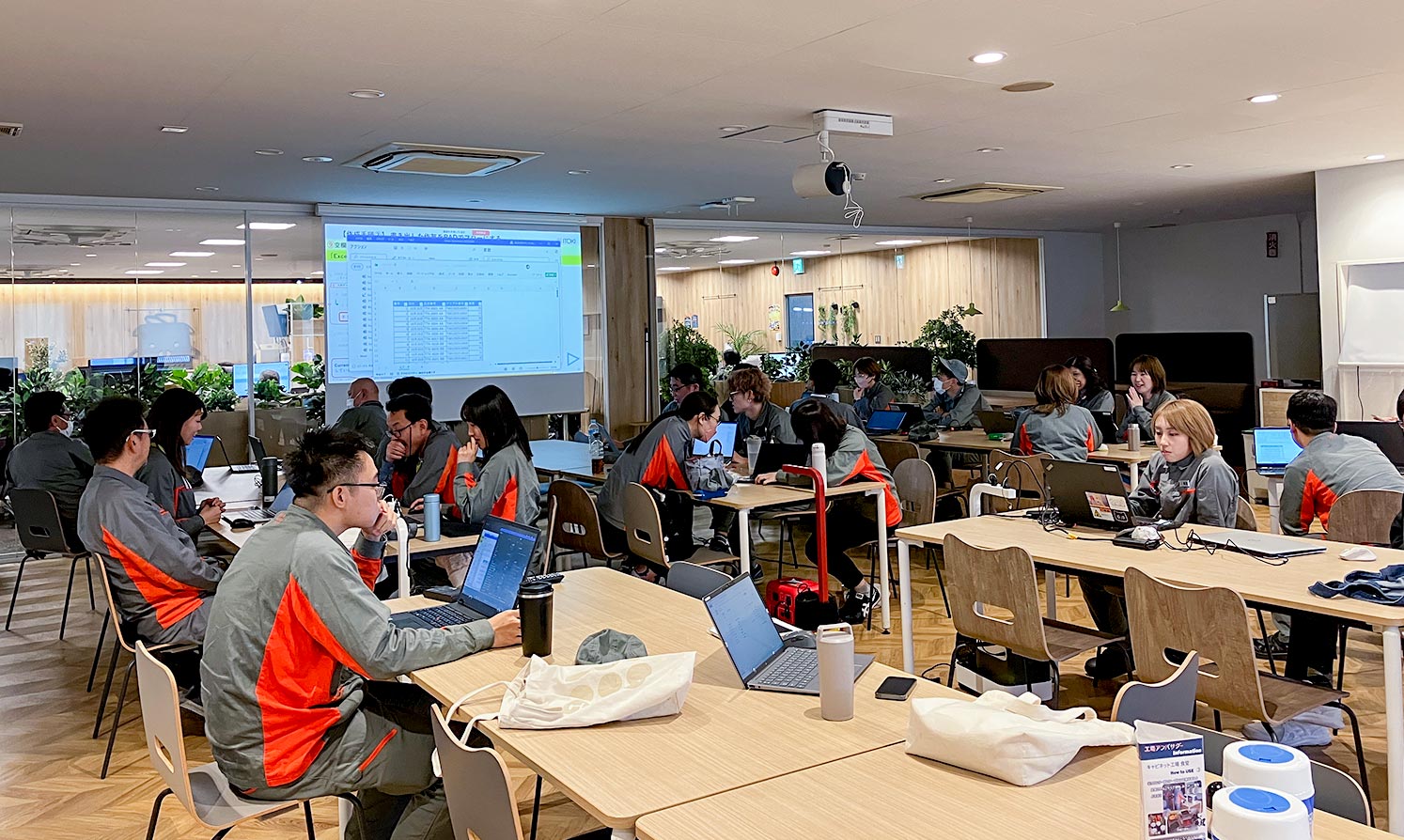
The first "Goto School" was attended by over 80 people.
"Goto School," a learning platform for RPA, started as a study group for members interested in RPA. Eventually, I wanted to create a community, so I consulted with my supervisor, who suggested holding it as an interdepartmental training event. When we announced it, the number of people wanting to participate far exceeded our expectations, and we had over 80 participants for the first event.
Initially, we didn't do a large-scale recruitment. My focus was on creating a space where "people who want to come come." I wanted it to be a place where people who raised their hands themselves gathered, rather than being told to participate. Perhaps because of that, the participants were very enthusiastic, and we saw them naturally teaching each other and helping each other out on the spot when they didn't understand something.
After the study session ended, many people gathered around and gave us lots of specific feedback, such as "I didn't understand this part" and "Next time, I'd like you to do it this way." At Itoki, we consider failures and criticisms to be "treasures for the future." What didn't go well becomes the theme for the next improvement, and the more feedback we receive, the more we can move forward.
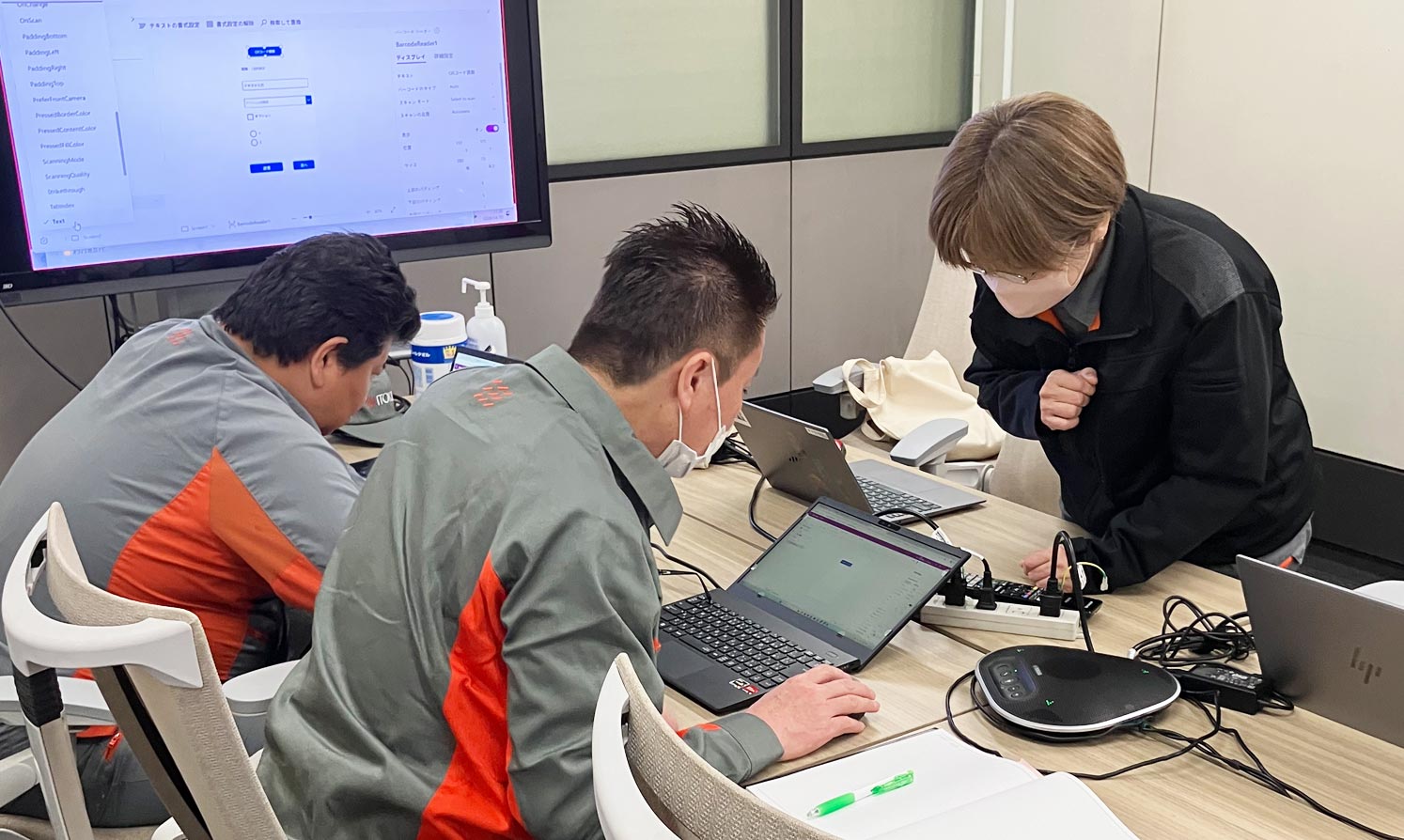
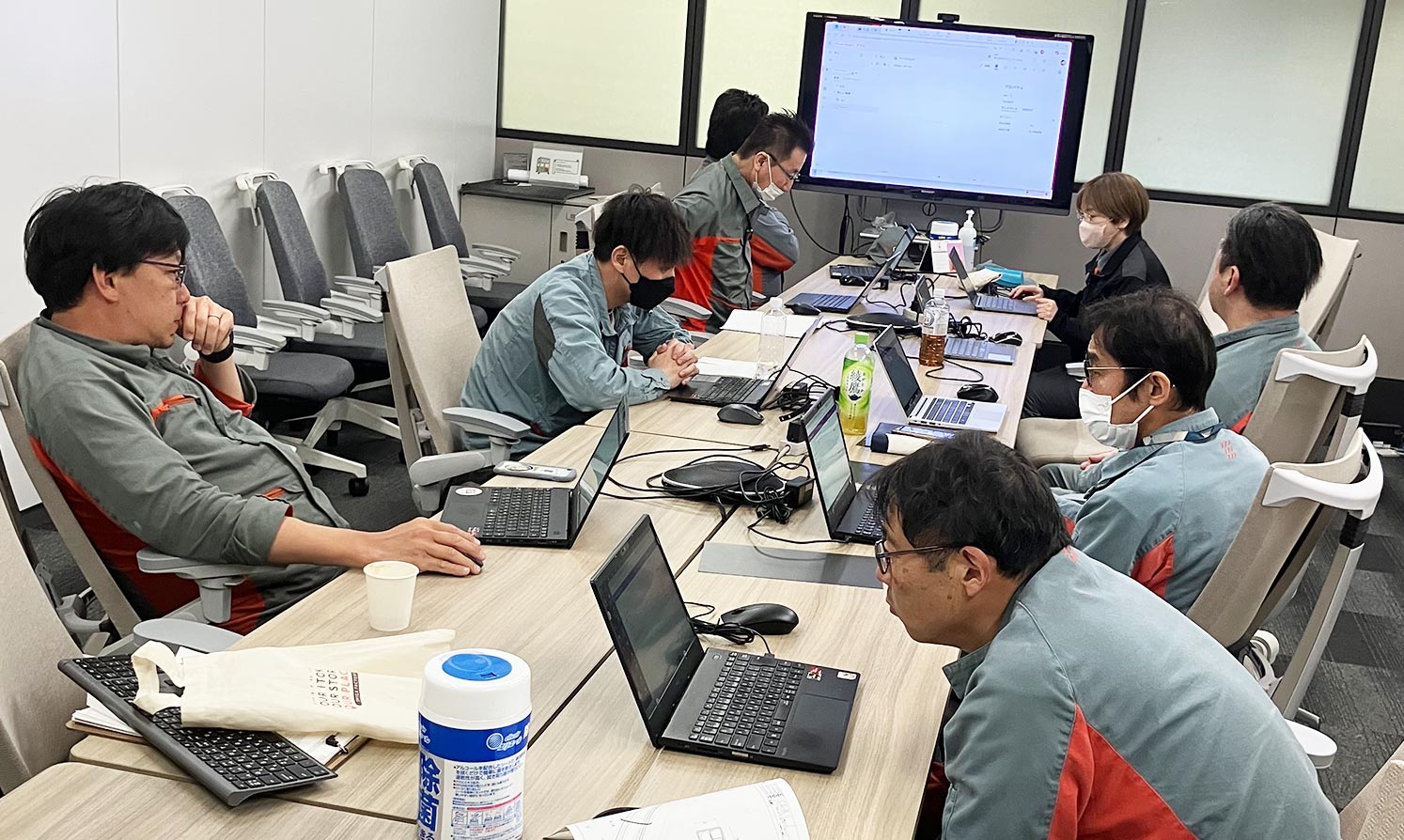
Mini study session held at the Kyoto factory
I feel that the study group itself has become a place that embodies Itoki's culture of continuous improvement. Because we are always thinking about "how can we make things better?" and have an environment where we can give each other feedback, I feel that I can work freely and without restraint.
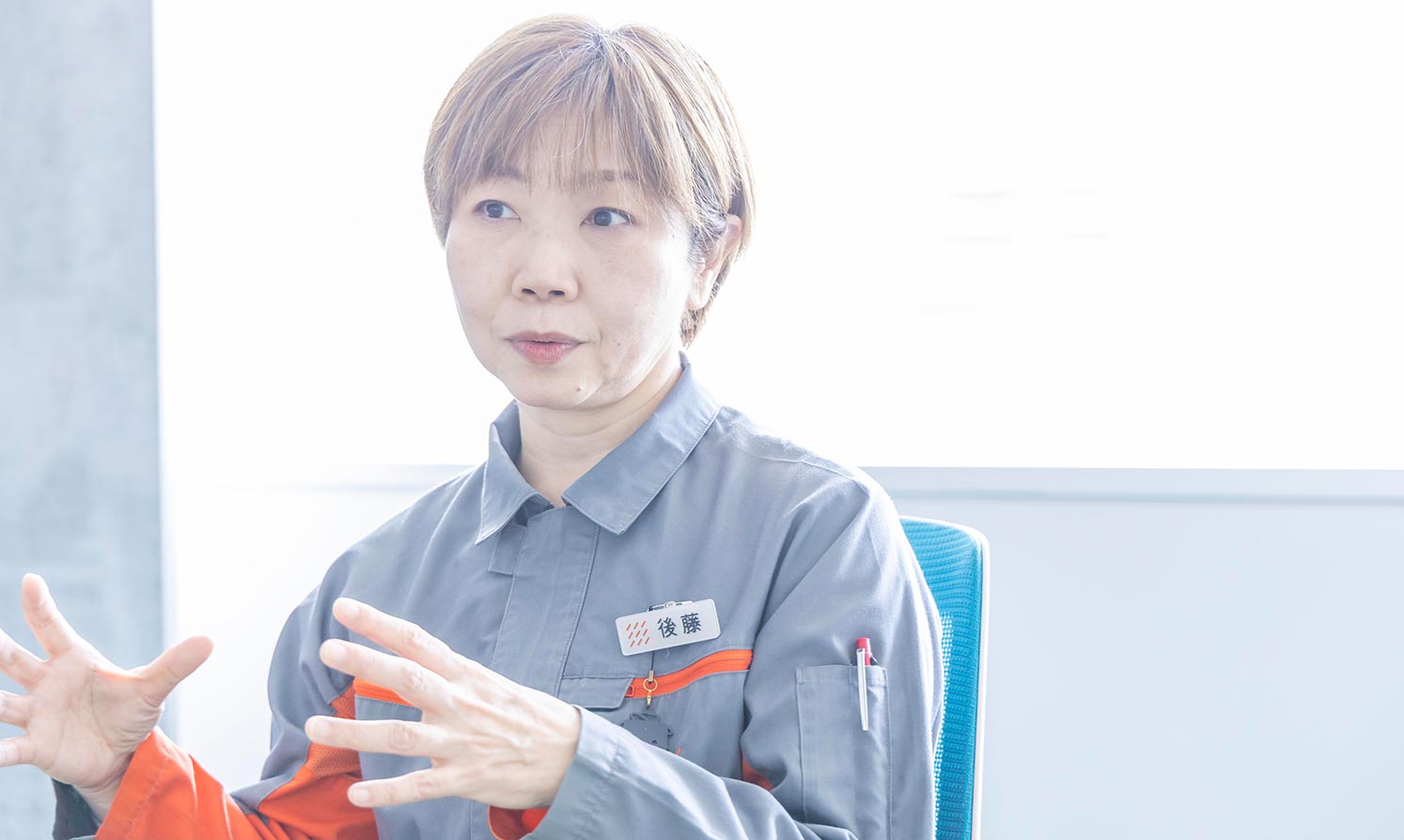
Many people find RPA intimidating, but it's essentially a practical tool, much like Excel functions. It requires almost no specialized programming language, making it accessible to anyone. The ideal scenario is to create a situation where on-site staff can implement improvements themselves.
What I always tell people is, "You don't have to memorize everything." First, just take a look at what functions are available, and use them when you need them. I value the ability to start with ideas and excitement from the field, rather than the amount of knowledge you have.
Originally, we conducted grassroots activities, providing individual support and holding irregular study sessions, but now we're entering a phase where core members are emerging at each location. Going forward, we want to create a flow where even more practitioners will emerge, centered around these individuals.
Itoki's unique culture of continuous improvement. Our goal is "improvement created by everyone."
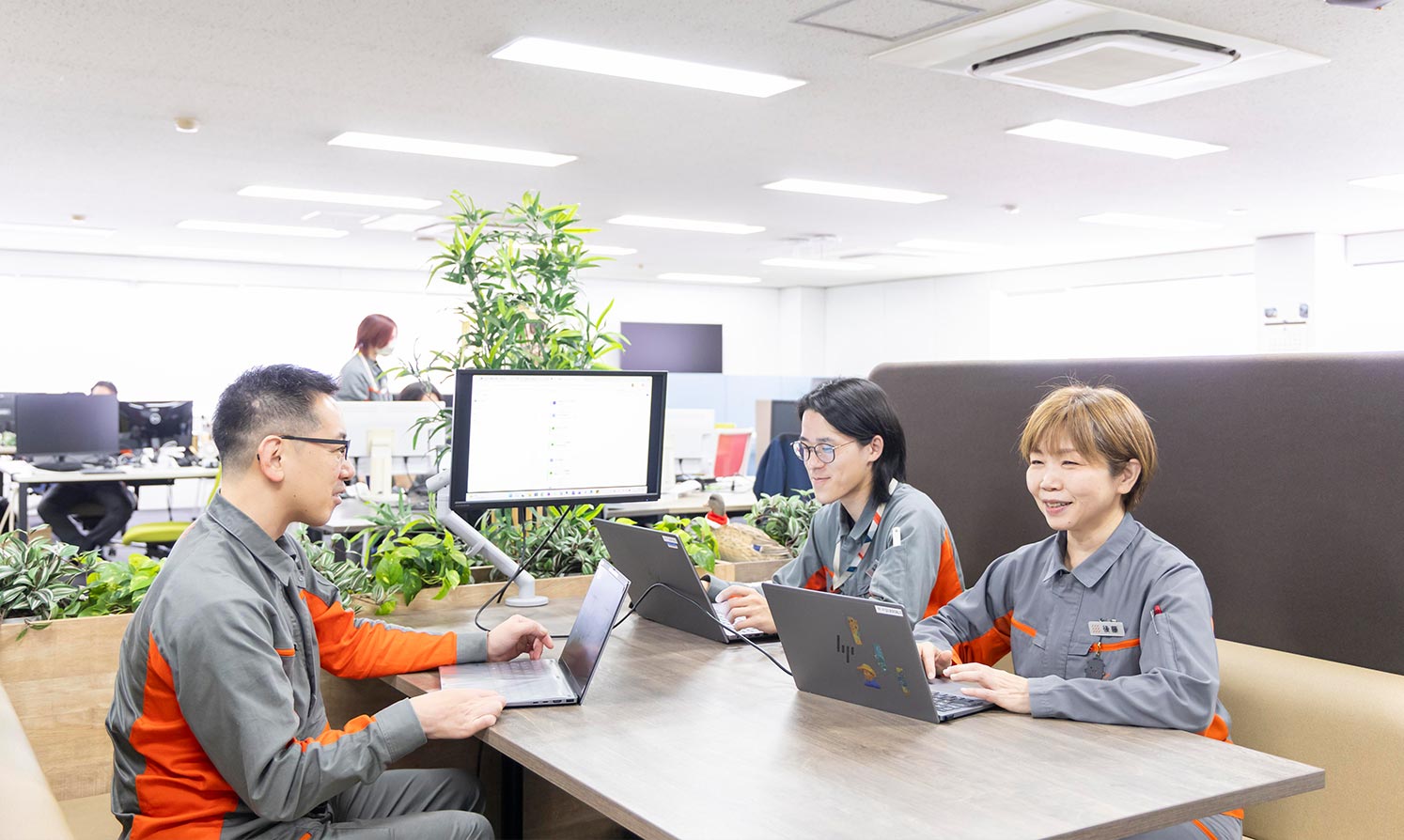
What I feel is unique to Itoki is its culture of continuous improvement. Once a year, during our "QC Circle Activities," each team brings their daily challenges and seriously brainstorms ideas in a short period of time. Not only managers, but all members of the team think about "how we can make things better," so improvement doesn't become the job of just a few people. I feel that it is because of this culture that new initiatives like RPA are more readily accepted.
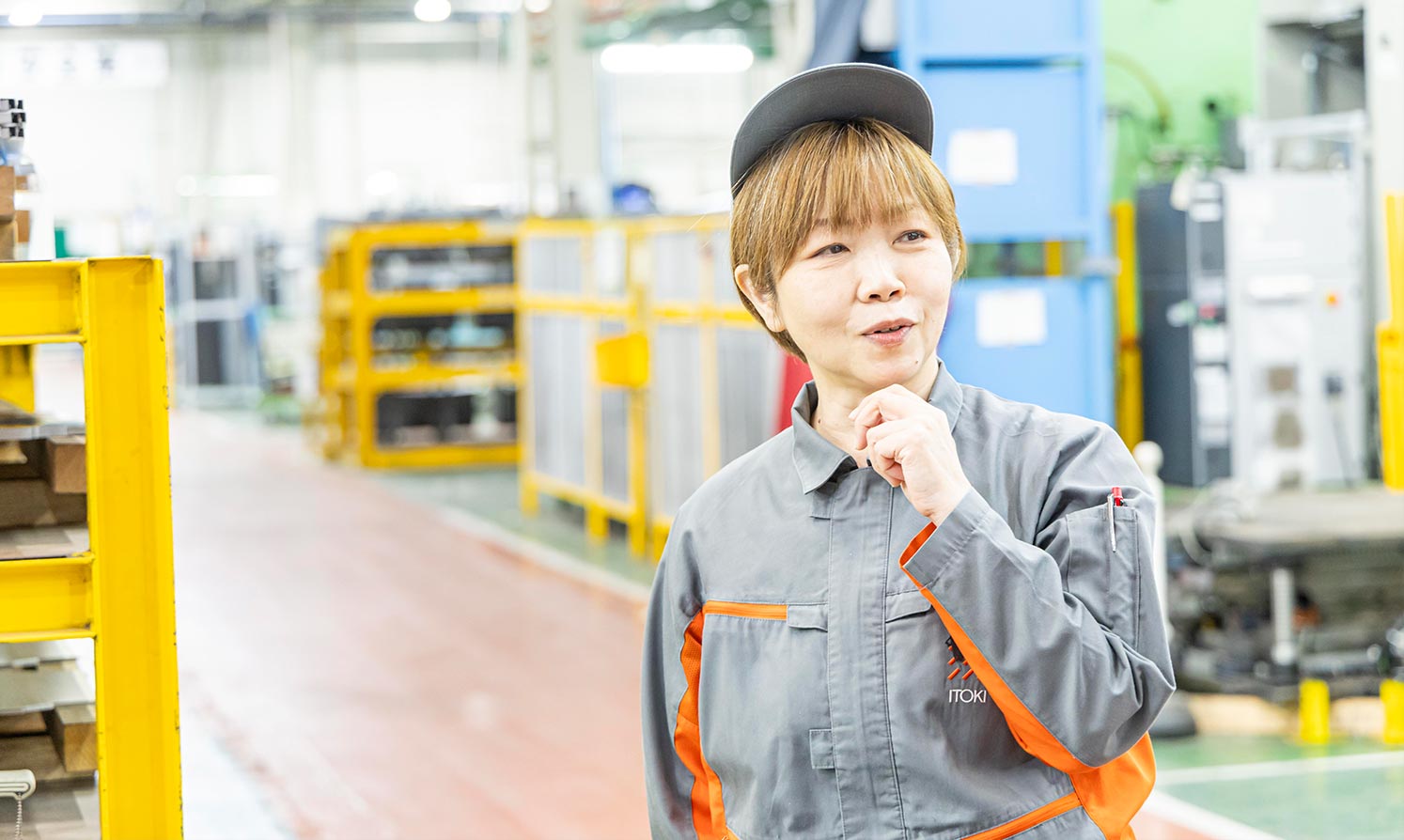
In production environments, improvement ideas gain value precisely because safety and standards are upheld. A culture of continuous ingenuity within constraints is deeply ingrained, making it easier for even small automation ideas to be implemented. It is this fertile ground that allows me to walk around the factory floor and engage in hands-on activities.
Going forward, through production DX, we aim to create a situation where the necessary data on the factory floor can be immediately utilized by the people who need it. We envision a factory where large-scale systems and small improvements on the factory floor are interconnected, enabling every individual to thrive as a DX expert. We will continue our challenges, centered on the principle of "improvement created by everyone."
Related article

Related products/solutions

- The department, position, and system are those at the time of the interview and may differ from the current information.
Recommended Articles
-
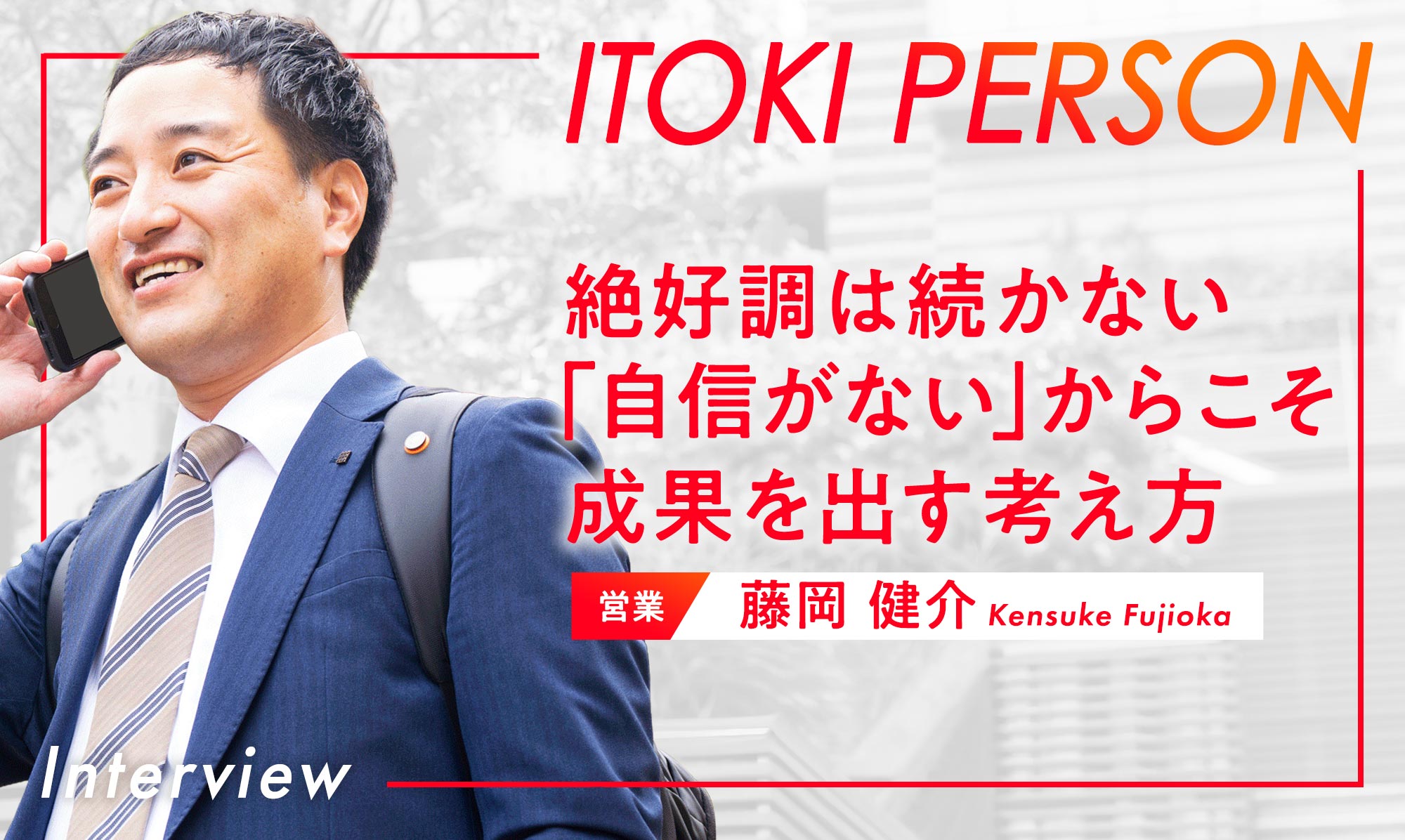
April 7, 2026
"Great plays don't last": A salesperson's mindset that has turned a lack of confidence into a strength to achieve results.
-
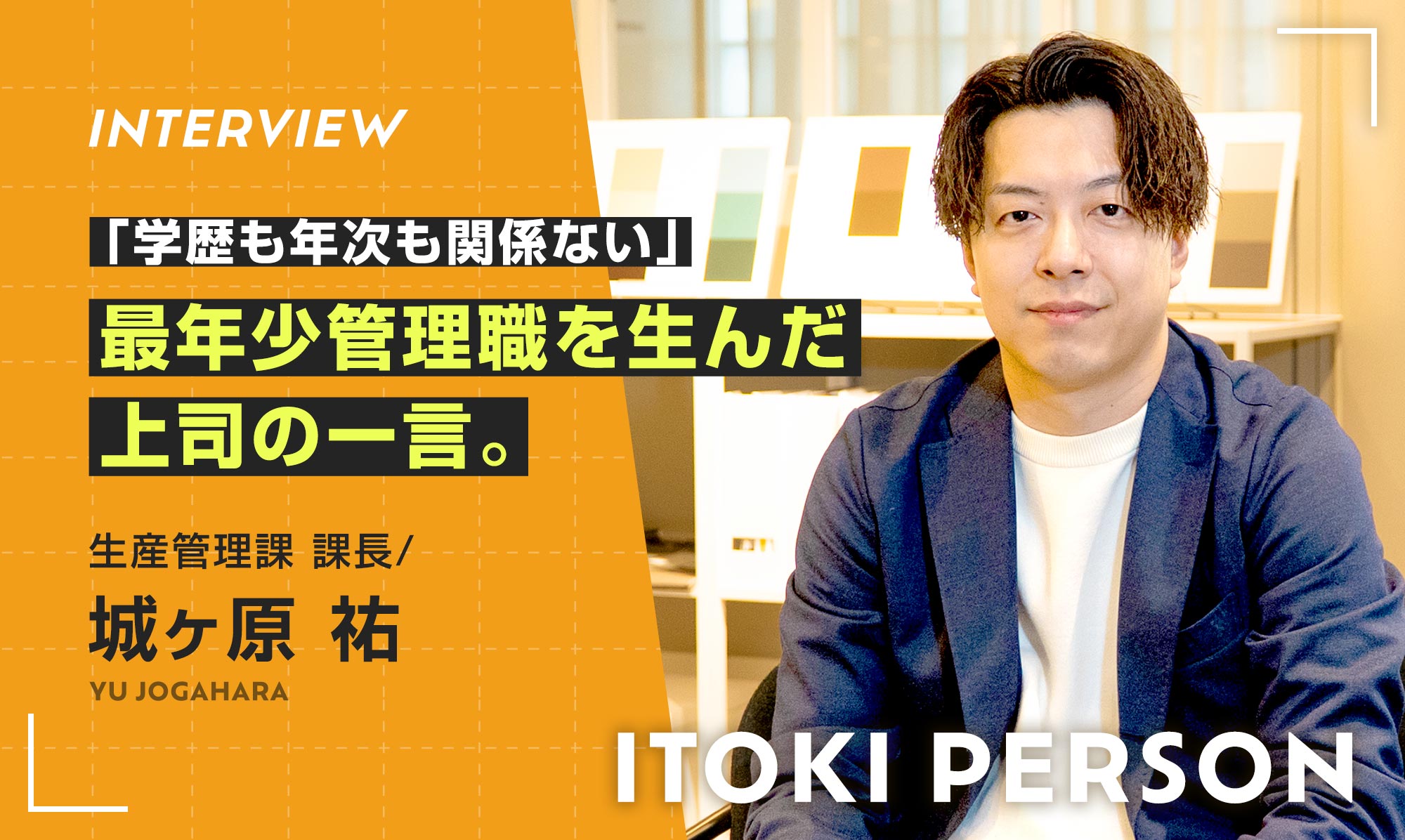
March 31, 2026
"Educational background and years of experience don't matter": The youngest manager at Itoki's career was shaped by a single comment from his boss.
-
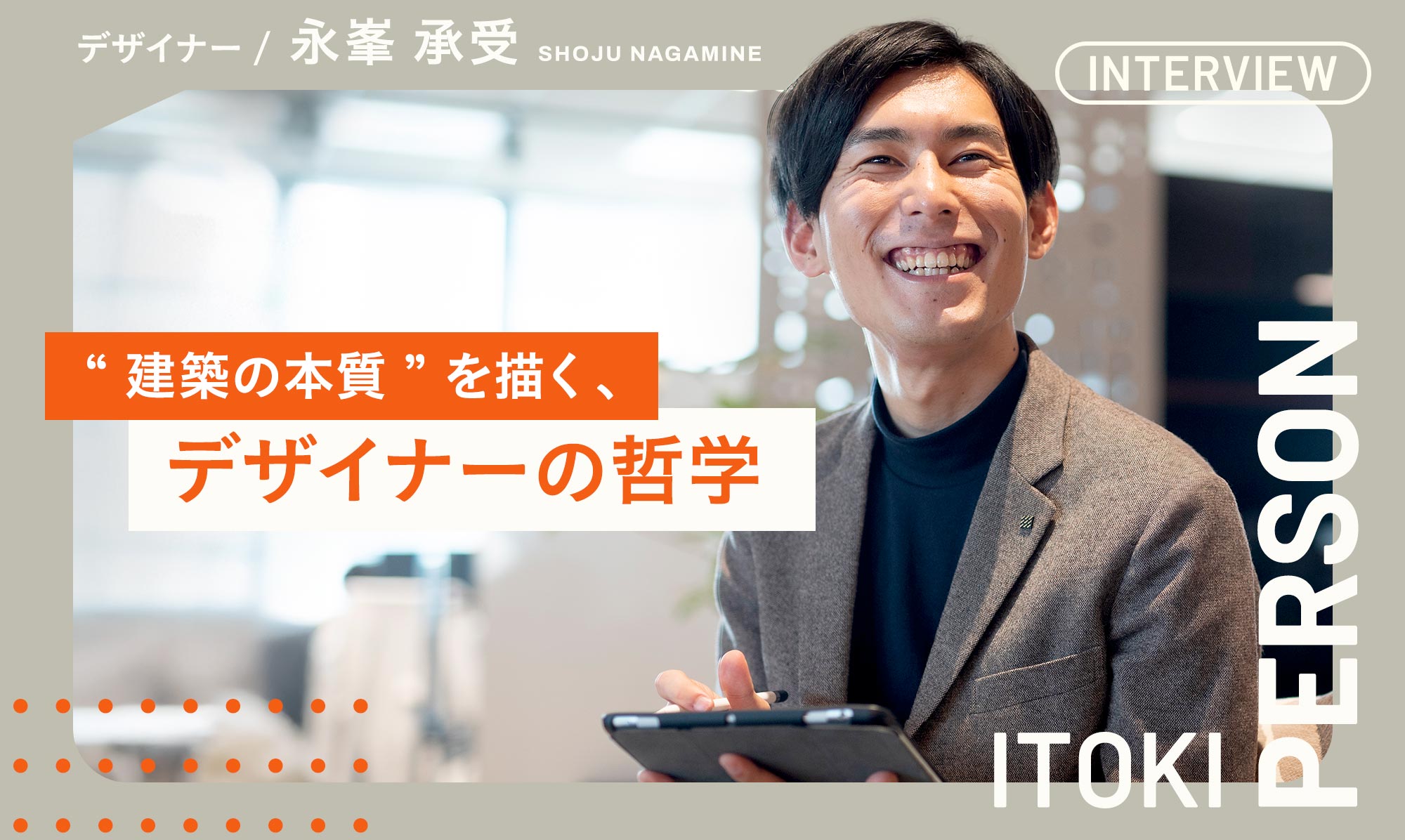
December 11, 2025
"I want to deliver what is truly needed" - the designer's philosophy based on the "essence of architecture"
-
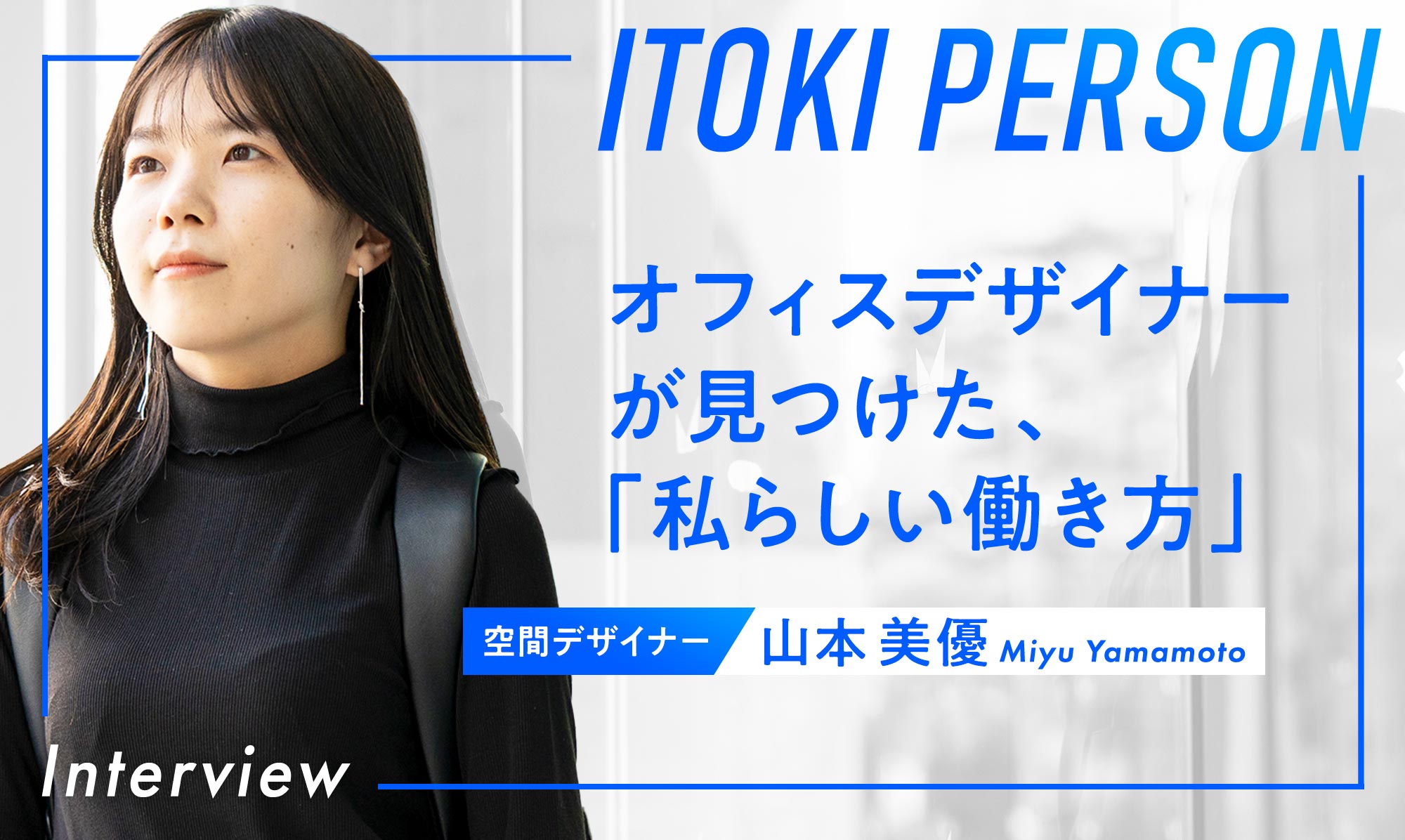
September 29, 2025
Continuing to ask "why" and sticking to one's own principles: An office designer discovers "a way of working that suits me"
-
September 29, 2025
It's interesting because I've never done it before. I found fulfillment in an unknown field.