


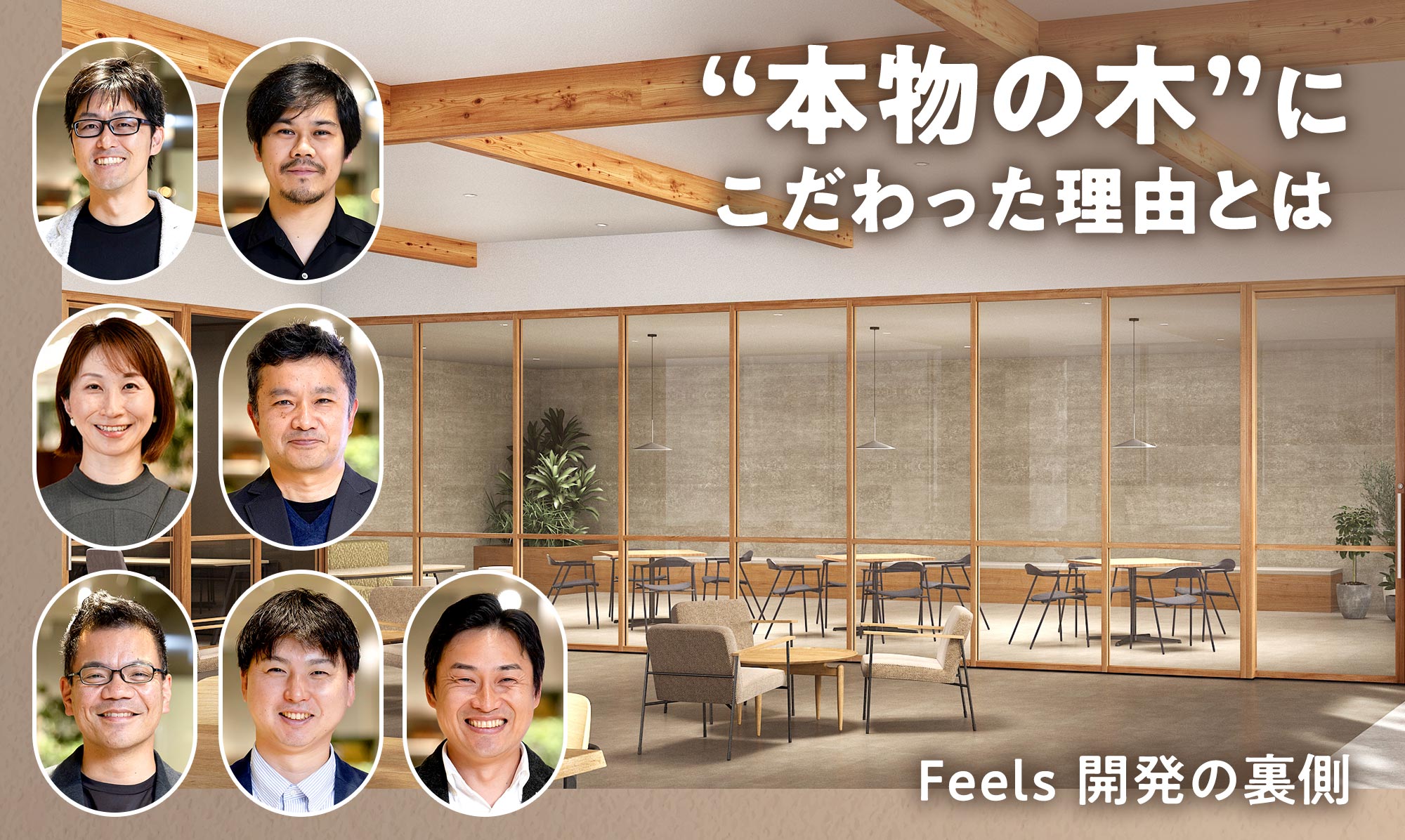
December 18, 2025
Despite the constraints, why did we insist on using "real wood"? - Behind the scenes of Feels development
As interest in comfortable workplaces grows, the use of natural materials is becoming a way to attract people and naturally draw them to the office. The wooden partition "Feels" was launched in December 2023 as a product that creates a comfortable environment where everyone can work comfortably and also leads to improved productivity.
We take a closer look at the development background of this product, which was developed through repeated trial and error to maximize the comfort of real wood while prioritizing safety, making it non-flammable, and maintaining high quality.

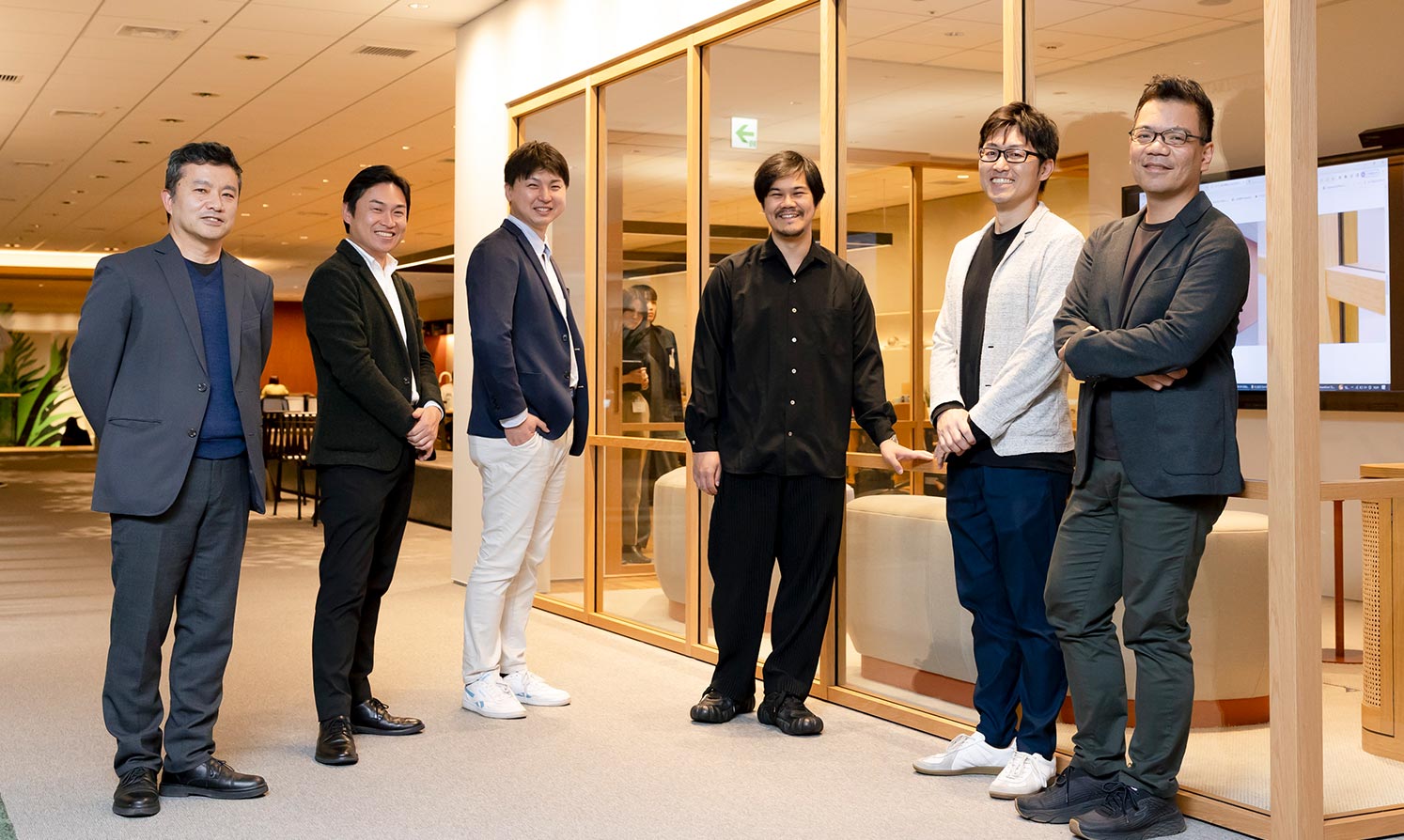
Product Planning Manager
Masato Kawamura

Product Design
Ryu Yamamoto

CMF Design
Arisa Kikuchi
Design Manager
Tatsuki Kawai

Procurement Officer
Motohiro Tsukiyama

Production Manager
Isamu Sakao

Quality Assurance Officer
Kazuo Kanazaki
*The department, position, and system are those at the time of the interview and may differ from the current information.
Contents
- The comfort of real wood is realized with living building materials
- A unique look created by natural wood
- The ideal is a "real tree." A goal that overcomes risks
- To maximize the appeal of "real wood," conventional thinking no longer applies.
- "The reality of the workplace" where design and production meet
- The possibilities of wood, a material that allows you to enjoy its changes, continue to expand
The comfort of real wood is realized with living building materials
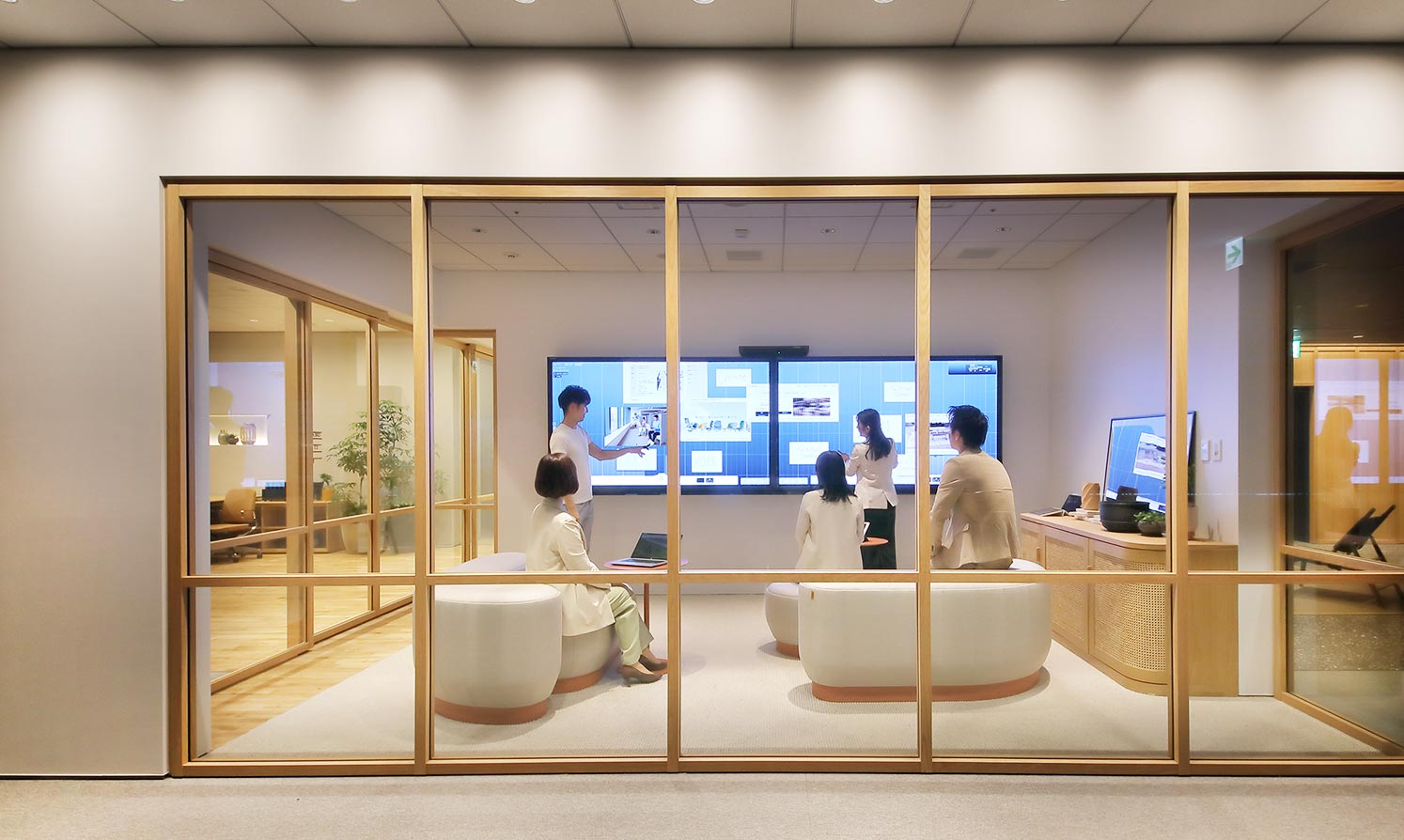
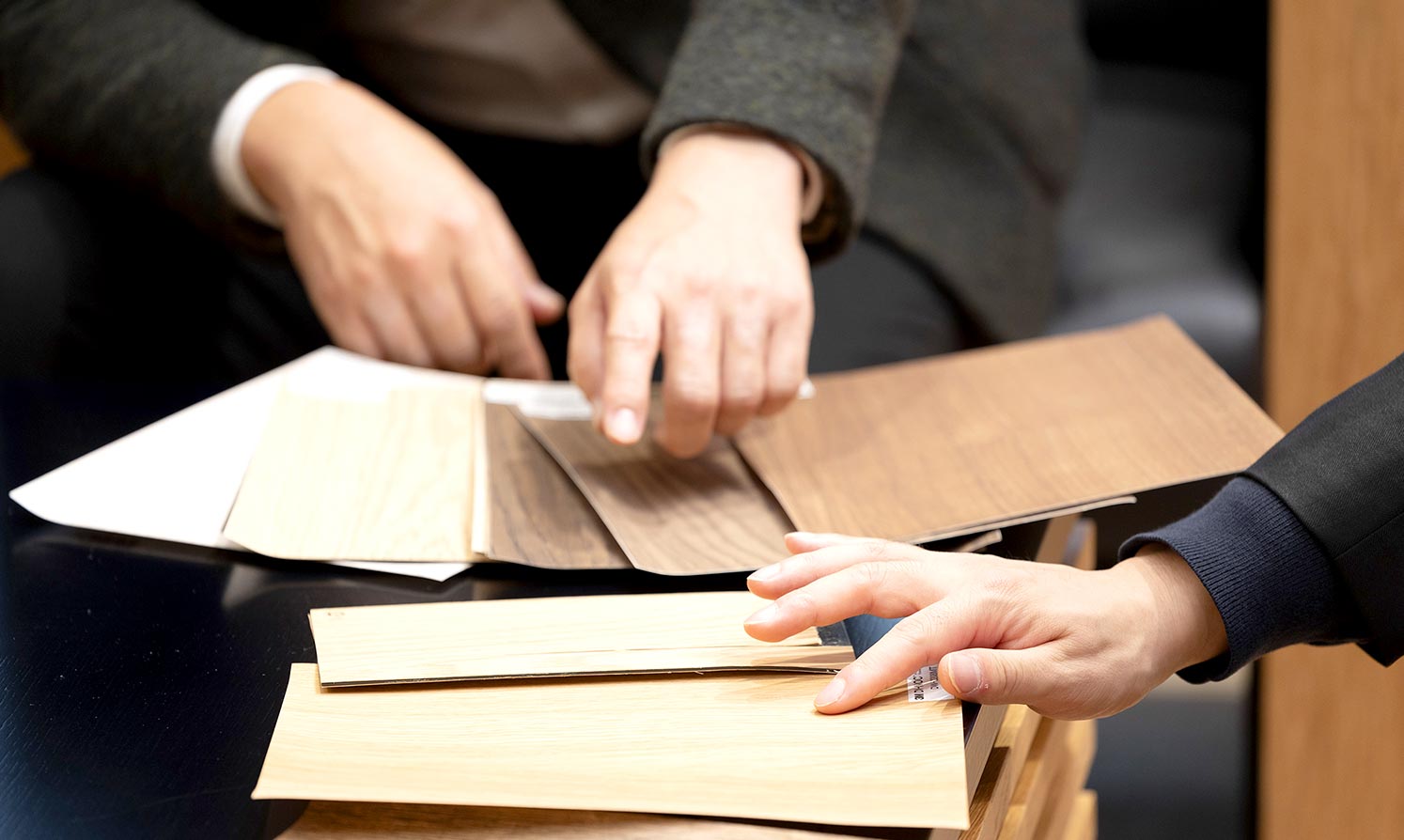
"Feels" is a non-combustible wood partition that is suited to the trend towards wood interiors. In the field of architecture, the use of wood in construction and wood-based structures is progressing, and a trend is emerging to use wood for interiors as well. Feels was developed with a veneer finish to meet this need.
We aim to create a comfortable space that people will want to gather in again after the COVID-19 pandemic, and an office space that provides the desired values of "high concentration," "improved creativity," and "stress reduction."
A unique look created by natural wood
Typical steel partitions are made of steel or aluminum and tend to be inorganic.
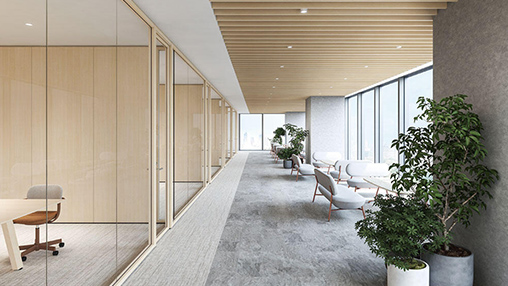
On the other hand, Feels brings softness and warmth to the space by attaching sliced wood to the surface. Because no two pieces of wood are the same, it creates a unique and comfortable office space.
1. Frame design
The attention to detail has been paid to create the appearance of a solid wooden frame, and the texture of the material is faithfully reproduced by applying veneer to a metal base.
2. Wooden frame with a texture similar to that of solid wood
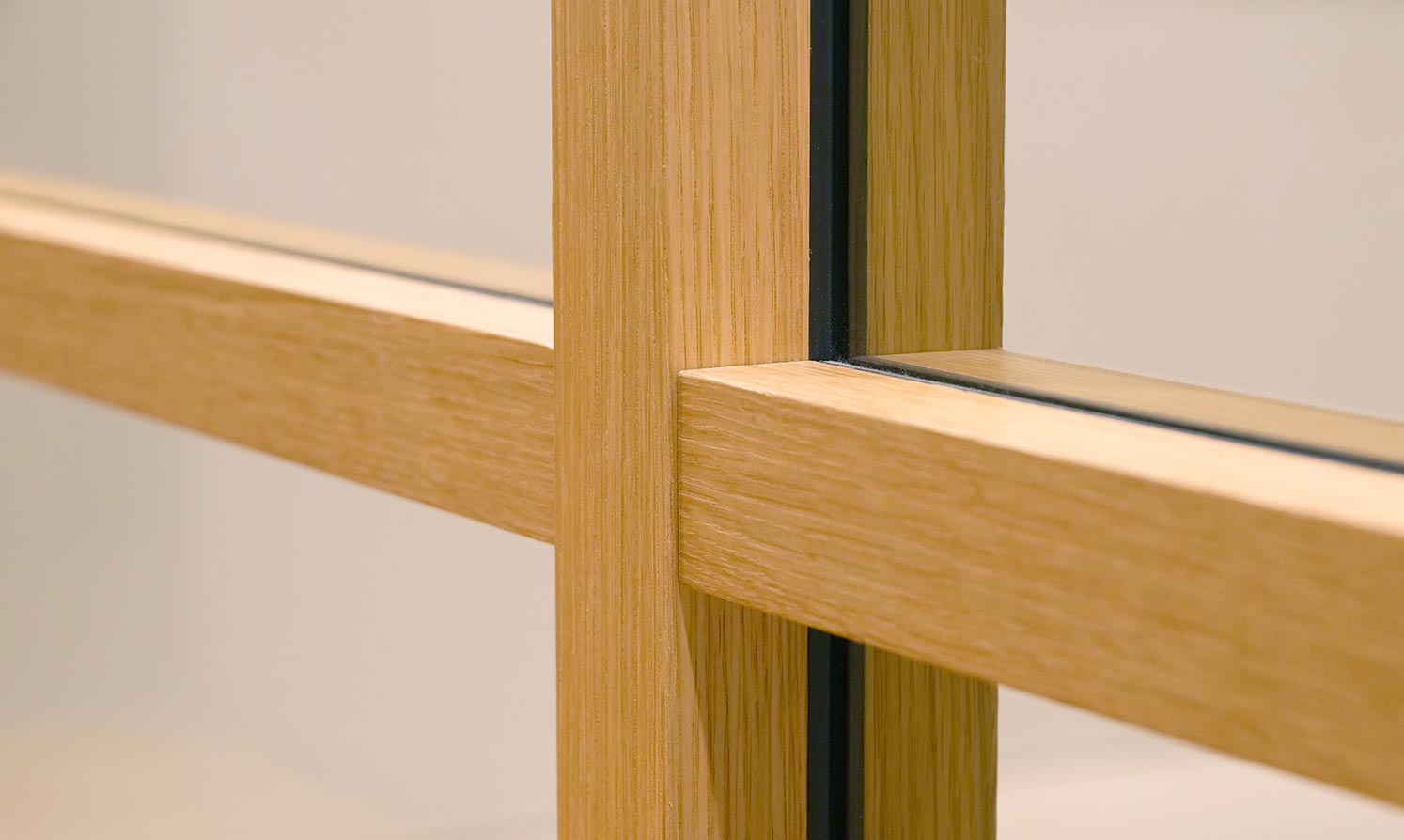
The attention to detail, which recreates the texture of solid wood, creates a high-quality wooden space. The unified design is also fire-resistant, allowing you to smartly coordinate the wood elements in your office space.
3. Lineup
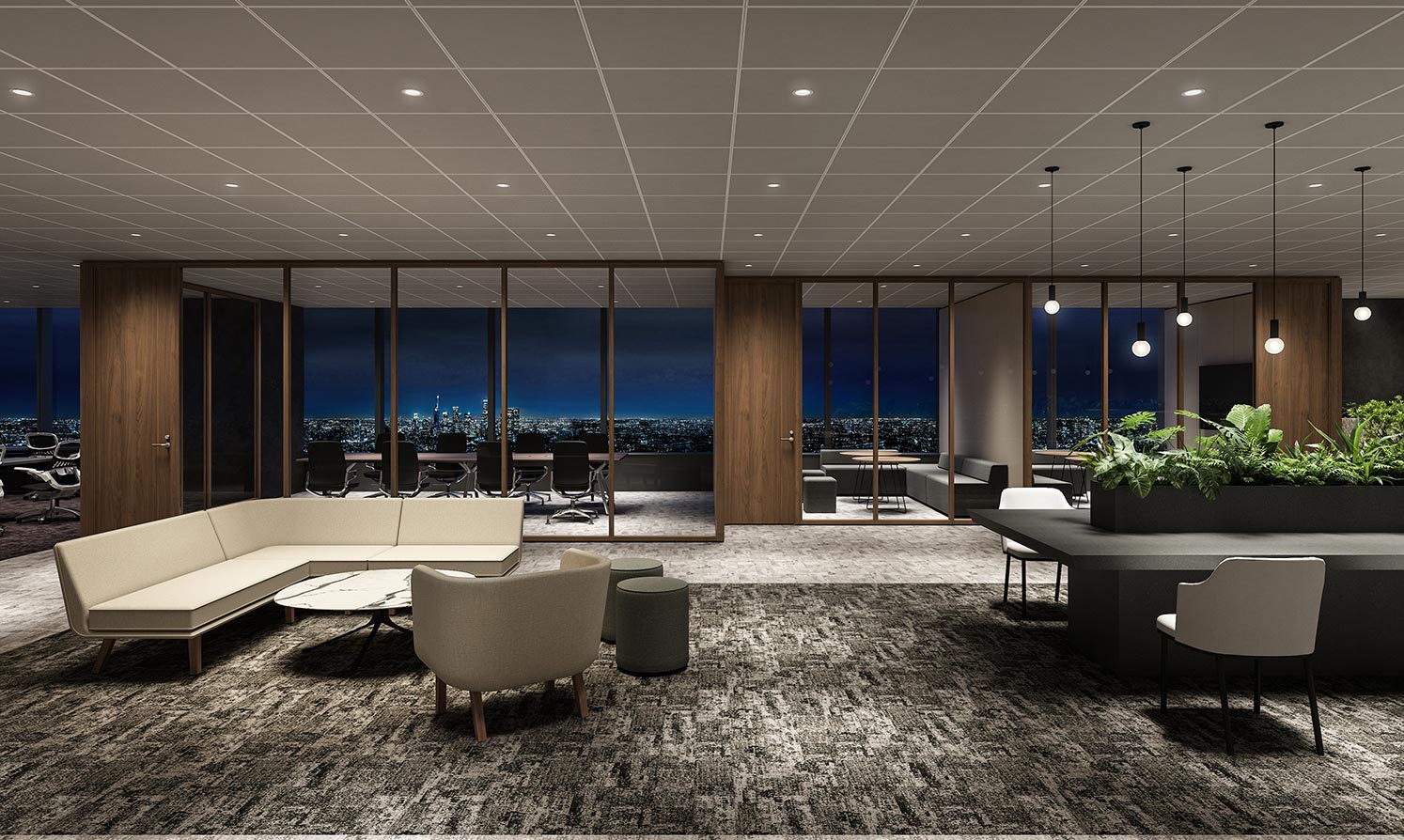
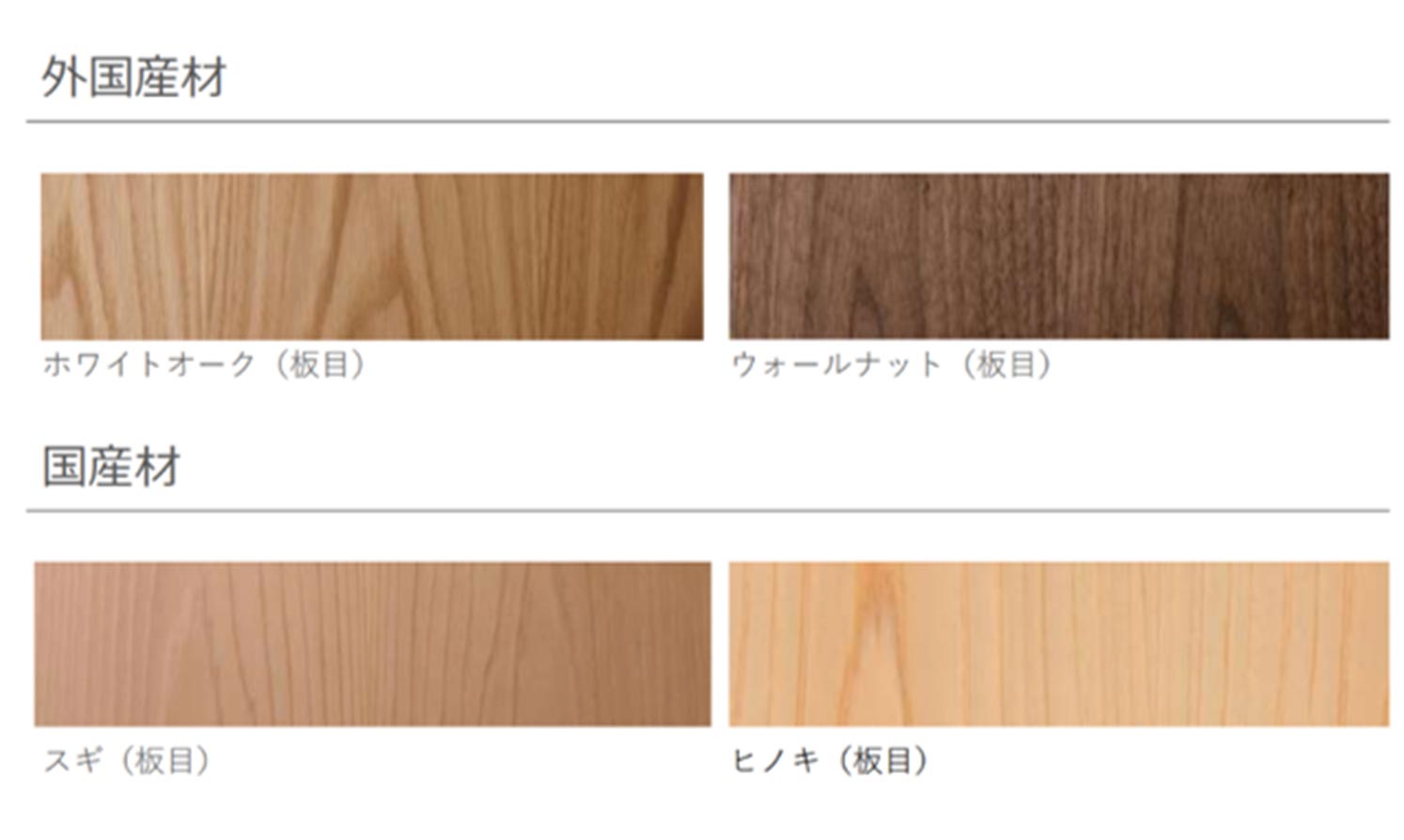
We offer a lineup of four types of finishes for domestic and imported wood, and are compatible with a wide range of wooden buildings and interior wood finishes.
The ideal is a "real tree." A goal that overcomes risks
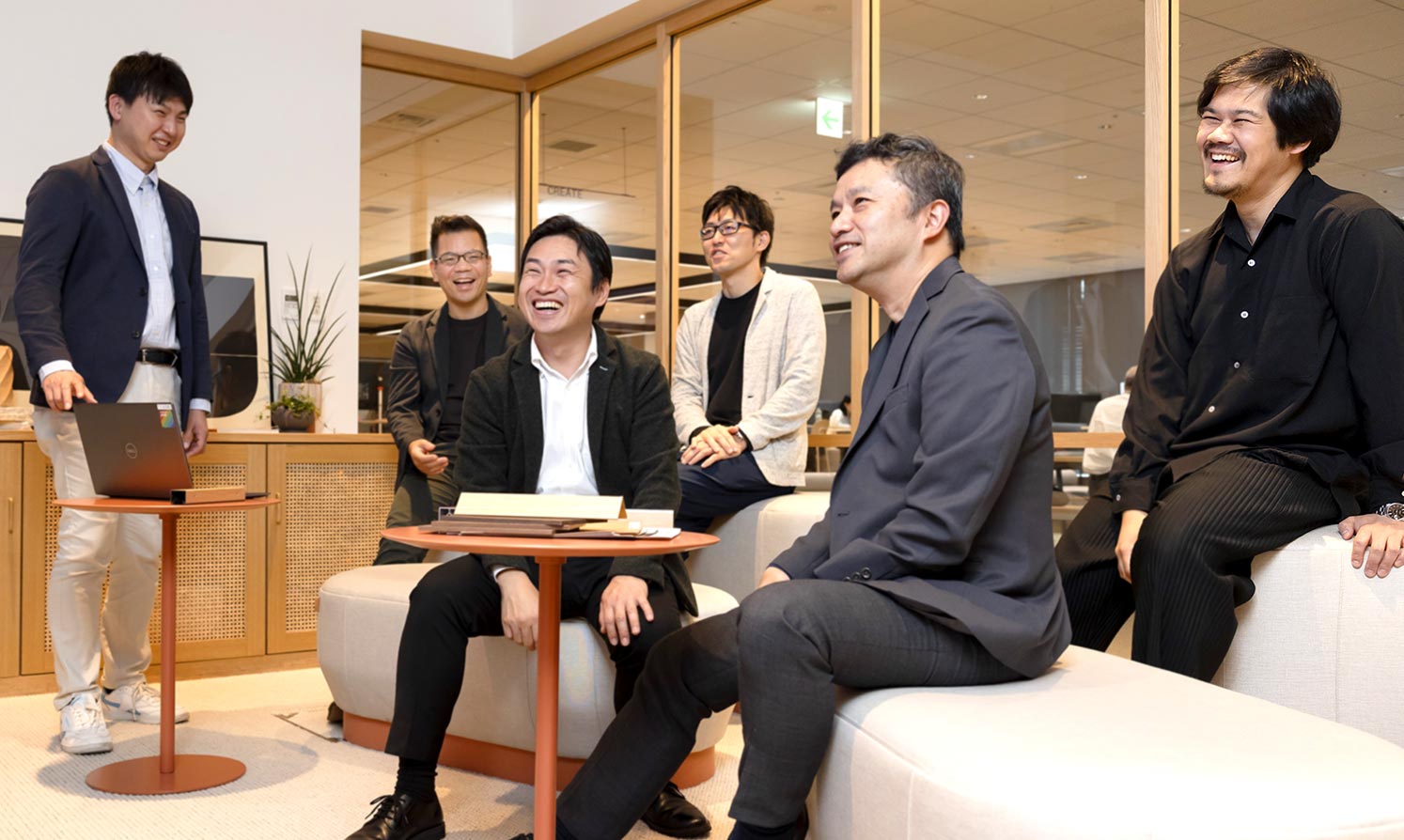
Why wood is becoming more widely used in office spaces
The use of wood is accelerating more than ever before as we move towards a carbon-free society. Laws promoting the use of wood, which were previously limited to public buildings, have recently been expanded to cover all buildings.
Using wood allows profits to be returned to forest owners and also leads to the sustainable preservation of forests. In light of these changes in the external environment, advances in materials and technology, and the comfort that wood provides, wooden construction and wood-based materials are becoming more prevalent in various parts of buildings.
With advances in material technology and the rationalization of building standards, there is a growing trend to use wood in the structure and finish of buildings, and we felt the need to respond to the need for wood in the world of interior partitions as well.
The comfort required in an office
Offices are increasingly expected to be "comfortable," with comfort and ease of communication.
After much deliberation and discussion about what makes a "comfortable space," we arrived at the warmth and softness of wood. Feels decided on our goal of creating a new office space that would bring out these qualities to the fullest.
Why we chose "real wood"
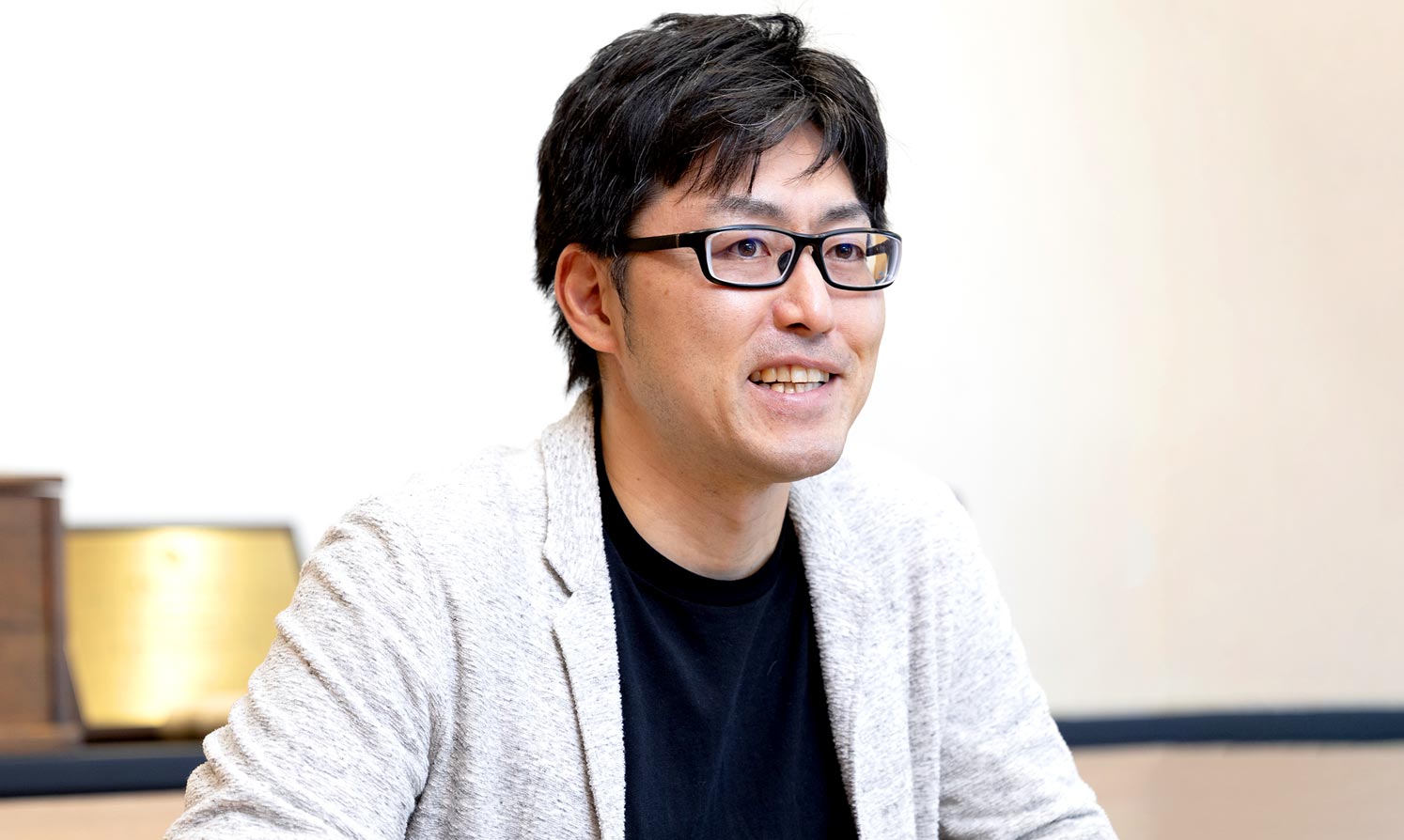
Kawamura, who was in charge of product planning, said, "We had the option of using real wood for only some of the partitions, or using PVC sheeting for the entire thing because of its flexibility and ease of processing. Wood is much more difficult to handle and is expensive. But we felt that if we were to pursue the value of wood in interior design, it had to be the real thing. Even though there were risks involved, we wanted to create a product that people would think was 'something only Itoki could achieve.'"
Overcoming risks one by one
No matter how difficult the path may be, we were particular about creating a "space" that only ITOKI could create. Using "wood" in areas where it is easy to install, and "PVC sheeting" in areas where installation is difficult, such as frames, would not result in a comfortable space.
Under these strict conditions, the focus shifted to a method called "veneer." Veneer is a processing method in which wood is sliced into sheets and attached to the surface of the frame material. It allows the use of real wood while overcoming the issue of fire resistance, which was a challenge when using wood indoors.
Isn't there another material that is truly suitable?

After hearing this, Kanazaki listed the possible risks from a quality assurance standpoint. "If we turned wood into a veneer and bent it into the shape of a partition, it would crack. It would also get sun-bleached in some places. Surely there are other materials that are more suitable... But if we could overcome these risks one by one, we should be able to create a comfortable space like no other before."
With risk as our guidepost, an unprecedented challenge has begun in earnest.
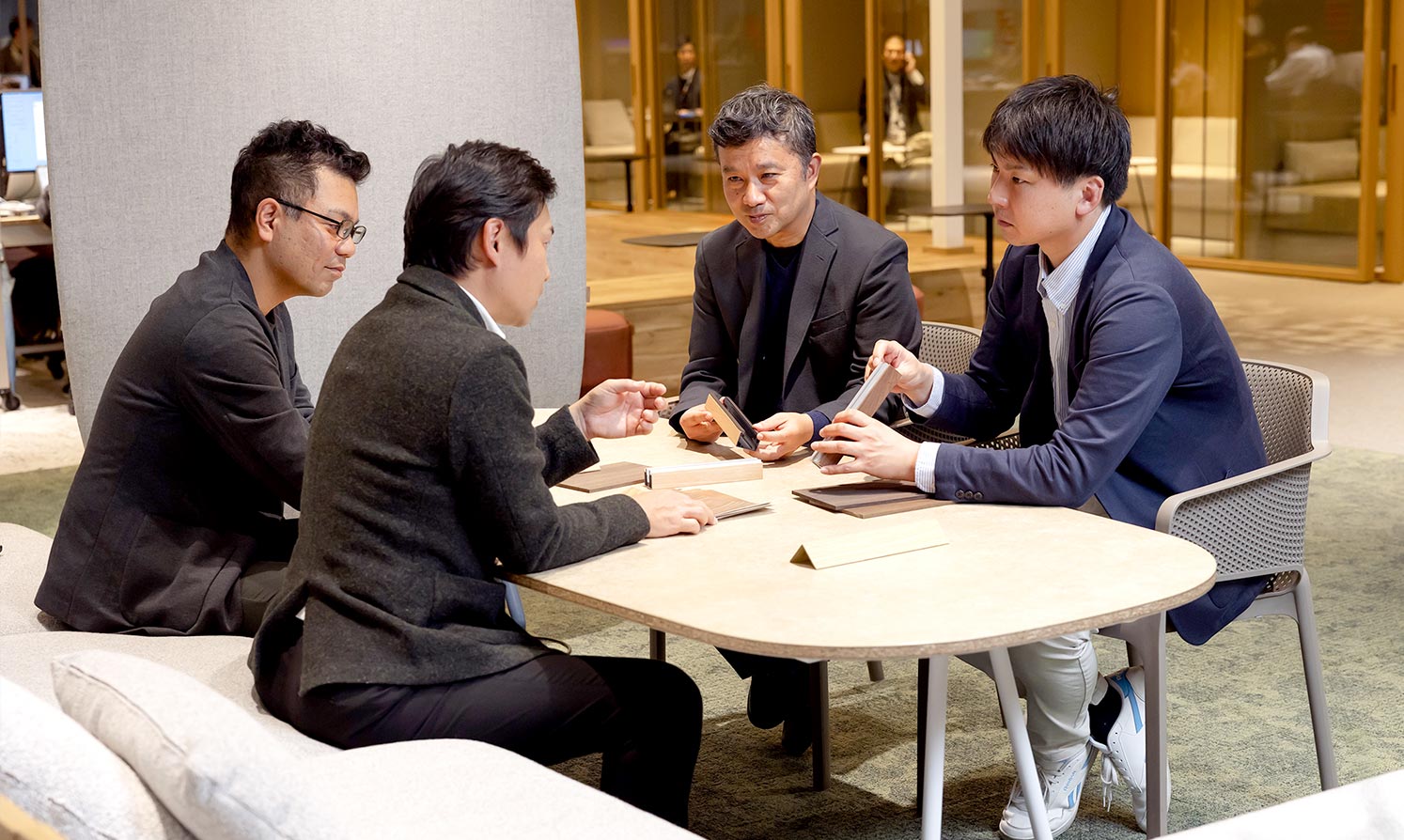
To maximize the appeal of "real wood," conventional thinking no longer applies.

A thin frame makes it look like wood
Yamamoto, who was in charge of design, realized that "if the frame is too thin, it won't look like wood." "The current mainstream design of 'thin frame x large glass surface' looks smart at first glance, but the human eye can see that there is no way that wood this thin can support glass.
Even veneer can look like solid wood
"Even if it's veneer, it looks as if it's made of solid wood. That's the power of design," says Yamamoto. He began exploring the thickness and design of the frame that was required for wood, which was different from previous thinking.
"We created prototypes by applying veneer to frames of various thicknesses. We repeated trial and error, referring to actual wooden architecture. In particular, we adopted the middle horizontal bars that are often seen in the wooden frames of commercial stores and homes, which are often used in wooden partitions, as a way to express the essence of a wooden space.
Also, while other partition products use double glazing to improve sound insulation, we chose to use only single glazing to evoke the wood feel.
Designing a consistent "comfort" from parts to space
Kikuchi, who is in charge of CMF design*, says, "We weren't just particular about selecting the wood species (color and grain). The CMF surrounding the wood was also important in order to make it the main focus.
In order to create a design where the color of the wood grain is the first thing that catches the eye, the screws and other small parts had to harmonize with the wood.
The basis for CMF's decision was whether the design would be in line with the "comfort" that is the starting point of the Feels project. Also, by adopting a "random match" method of arranging the wood grain, the top and bottom are reversed and glued together, the appeal of natural materials is further enhanced."
With Yamamoto's insistence on a design that "looks like wood" and Kikuchi's insistence on a "comfortable CMF," the outline of Feels began to emerge.
- CMF Design: A specialized field that designs the three elements of a product: color, material, and finish.
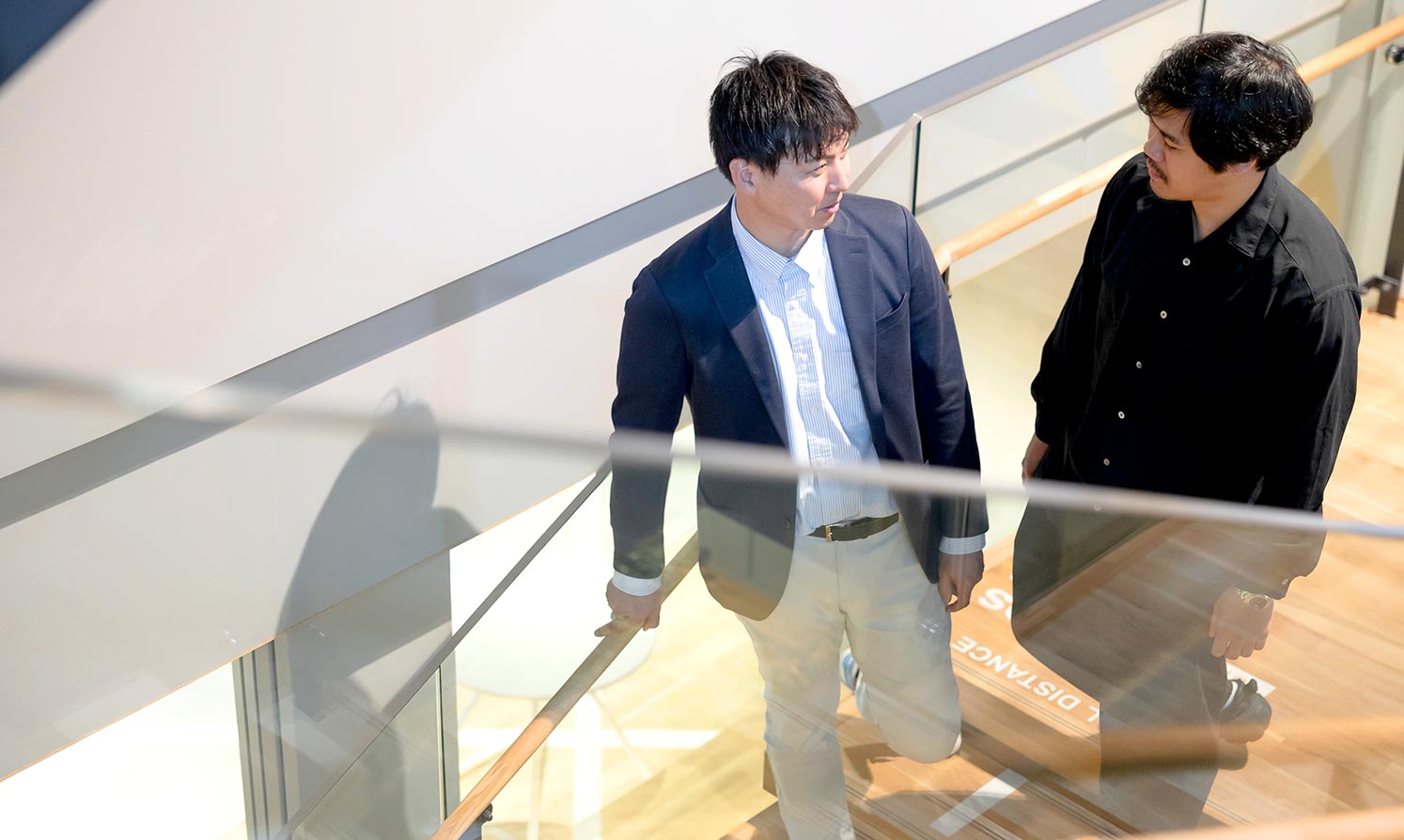
"The reality of the workplace" where design and production meet
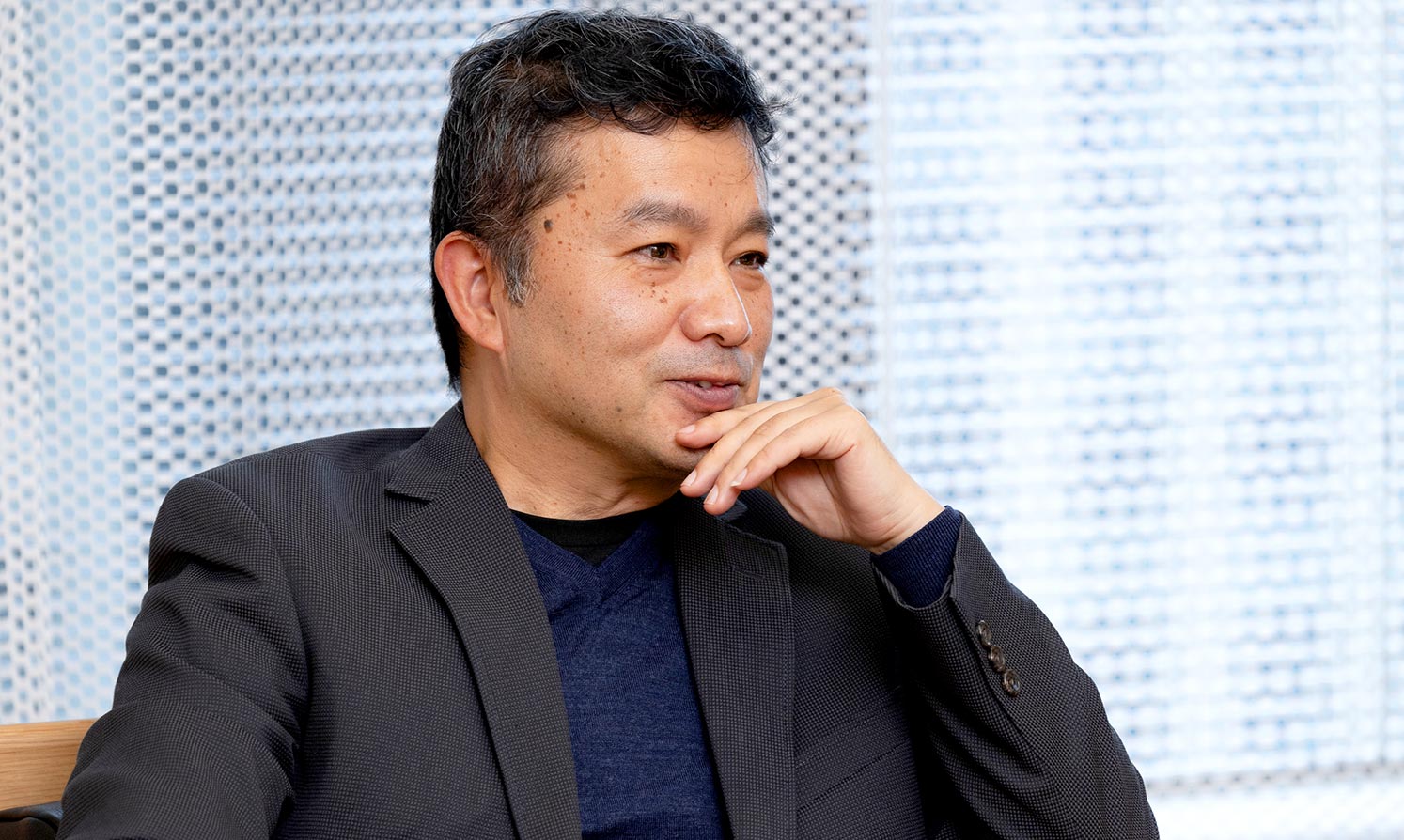
The first prototype is still uncertain
Designer Kawai confided, "When we made the first prototype, almost everything was still undetermined.
Normally, prototyping begins once all elements have been solidified, but the manufacturing of Feels did not proceed solely on paper. The frame design and sliding doors had not yet been finalized, but the first prototype that could be seen and touched was born, and the design image began to develop at a rapid pace.
With the first prototype, we discovered that the aluminum part of the frame was visible depending on the angle. This would not have been noticeable without a prototype that could be viewed from 360 degrees. We continued to make use of the various discoveries we made through the prototypes and proceeded with the basic design prototype, with the goal of exhibiting it at ORGATEC Tokyo* and installing it at the Itoki headquarters office.
- ORGATEC: The Japanese version of ORGATEC, a global office and commercial space design exhibition with over 70 years of history in Cologne, Germany. The latest trends in office furniture, building materials, ICT technology, and more are gathered here to explore and communicate the future of working spaces and design.
That was not the goal, but the beginning
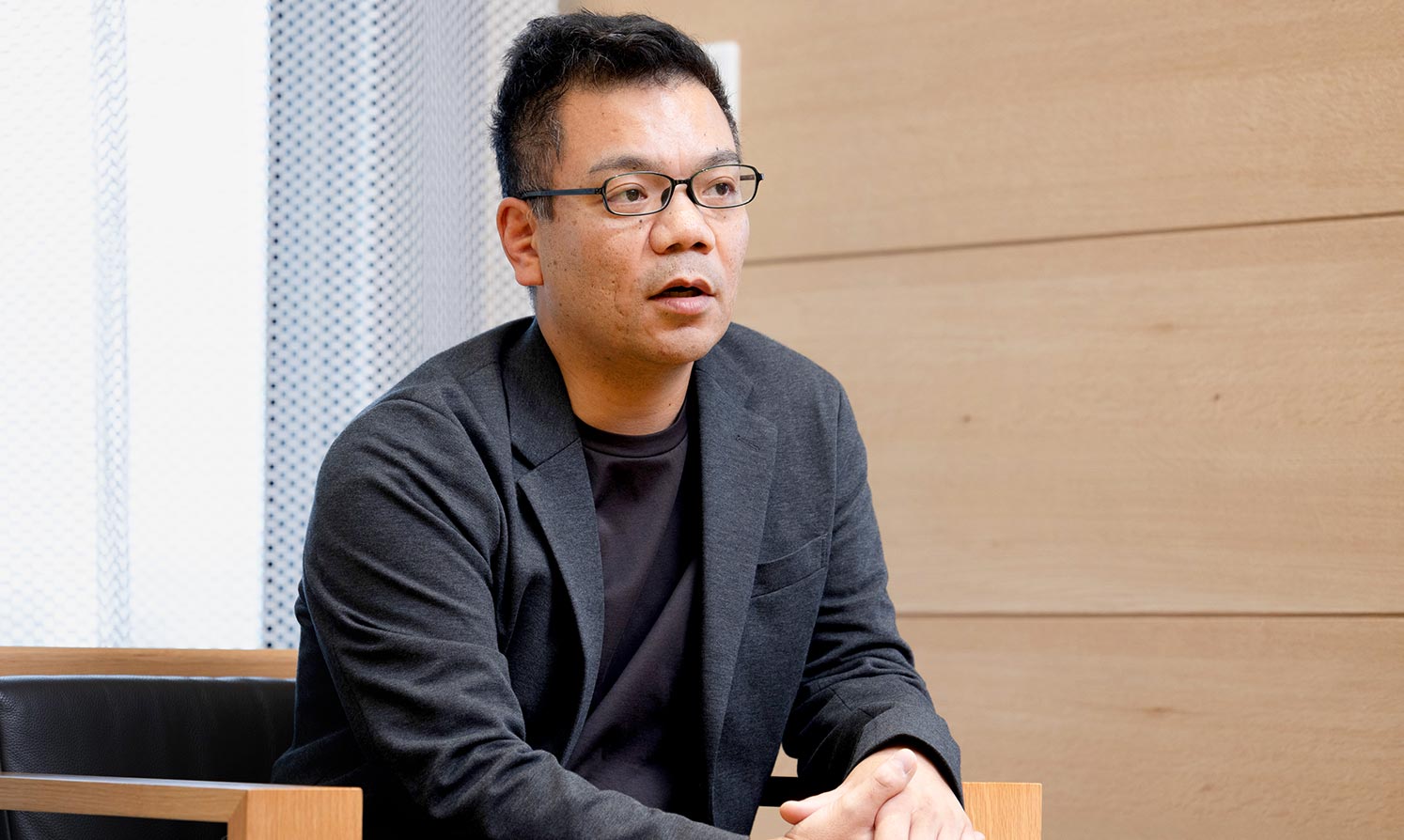
Tsukiyama from Procurement could sense the tension among the team members, which was different from when they manufactured the first prototype.
Tsukiyama's role was to procure the necessary materials to meet the goal. Working within a tight schedule and requesting from suppliers, he managed to manufacture Feels in time for the exhibition at ORGATEC Tokyo and installation at the head office, but that was not the goal.
Still can't deliver to customers
"The aluminum corners of the partition are right angles, which would cause the veneer to crack. For this reason, we rounded them while searching for the perfect balance to make it look like wood. Also, because the corners are rounded, the frame becomes thinner, so we adjusted it again so that the aluminum would not be visible from the edges.
It took 19 new molds to be made before we were able to give our stamp of approval that this shape would be fine. "Manufacturing is always a process of trial and error." The routine of making, checking, and adjusting may seem like a roundabout way at first glance, but it was in fact the shortest route to completion."
The possibilities of wood, a material that allows you to enjoy its changes, continue to expand
"This can't go on like this."
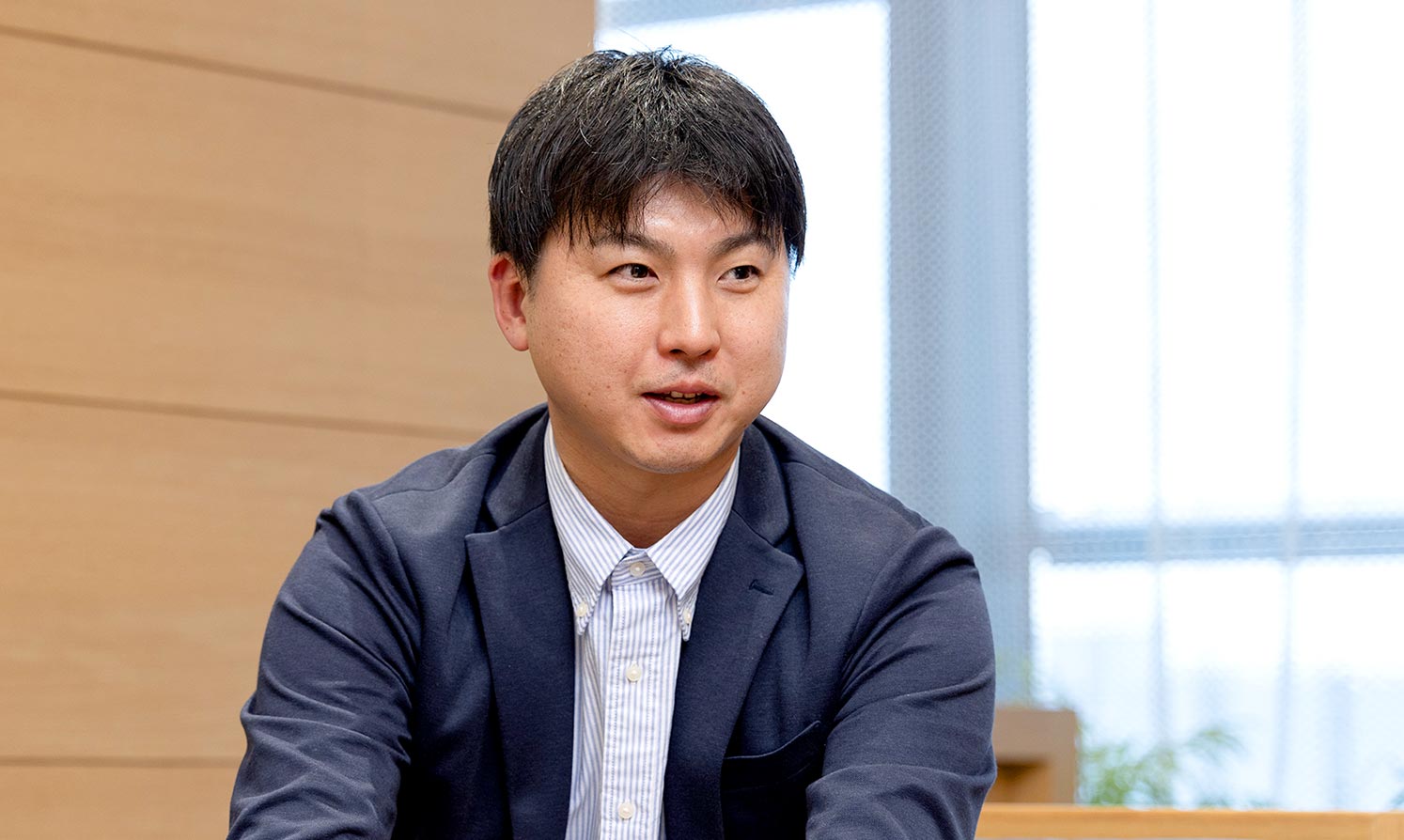
Sakao from Production Technology says:
"Even if the design is beautiful and easy to use, it's meaningless if it can't be mass-produced reliably. And it's no good if it's a product that can only be manufactured by experienced professionals. We explored what method we could use to quickly and accurately apply the veneer."
Strict quality standards and the unique character of the wood grain
Kanazaki from Quality Assurance maintained a strict perspective even in the final stages.
"Since no two pieces of wood are the same, close cooperation is essential to ensure consistent quality. During the mass production process, various ingenious measures are taken to maintain a consistent level of quality while not losing the "wood-like" feel.
The stricter the exterior quality standards for veneer, the more it loses its appeal as a natural material with its wide range of features. We thoroughly verified the anticipated risks, such as sun damage, aging, bending, and handling at the construction site, while working hard to resolve issues that arose in the manufacturing process.
Feels considers the unique character of each piece of wood grain to be a one-of-a-kind item, and we have put a lot of thought into the production process to ensure that we can convey that quality to our customers."
A cozy office made of real wood
"I believe that this will lead to a comfortable office space that is unique to us. We want to take advantage of ever-changing materials and deliver ever-changing products. If our customers and the times demand it, we would like to try using even more difficult materials in the future."
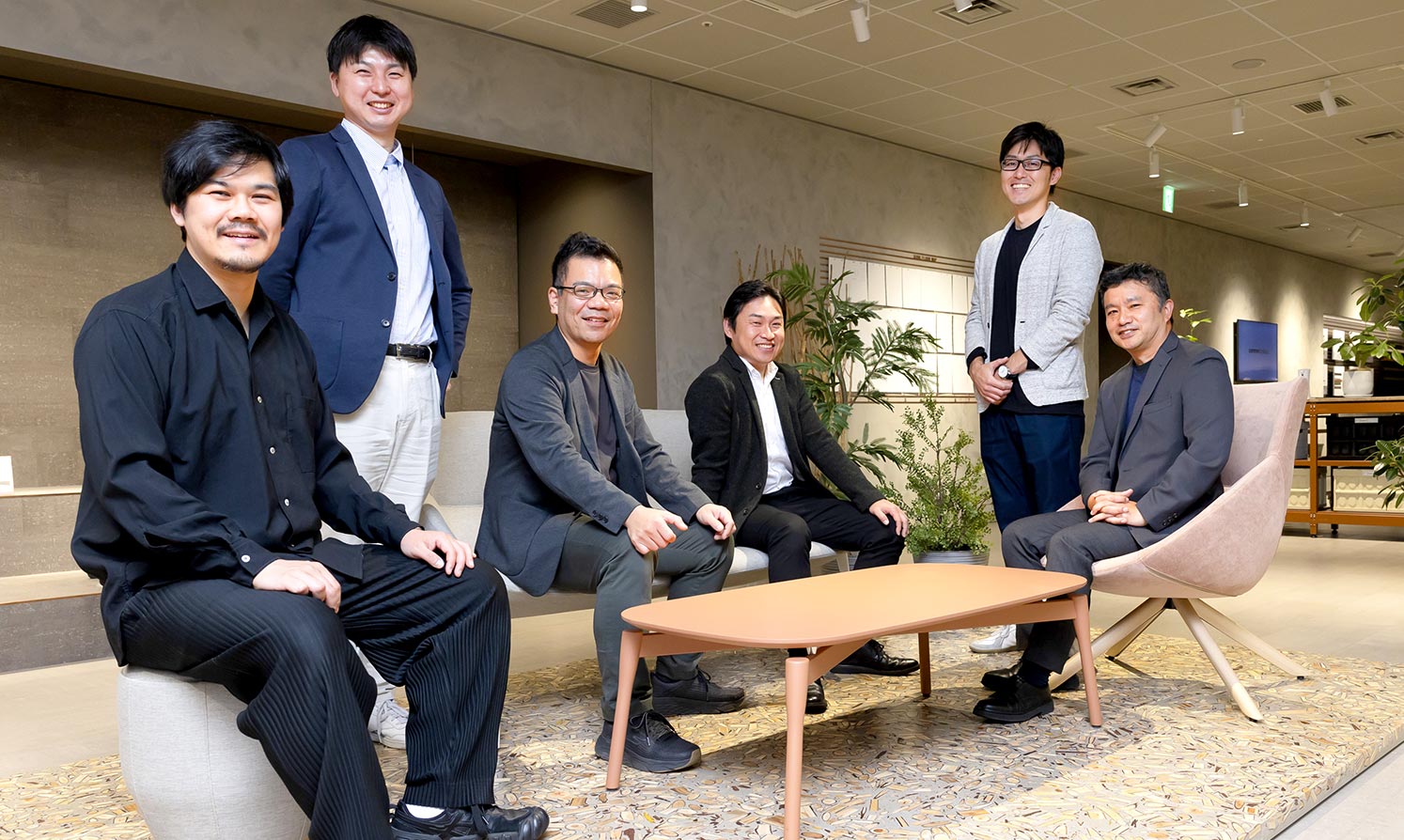
The big challenge of manufacturing "Feels" is just the first step for us. Our spirit of challenge will continue to bring new products to Itoki.


Related products/solutions


*The department, position, and system are those at the time of the interview and may differ from the current information.
Recommended Articles
-
February 6, 2026
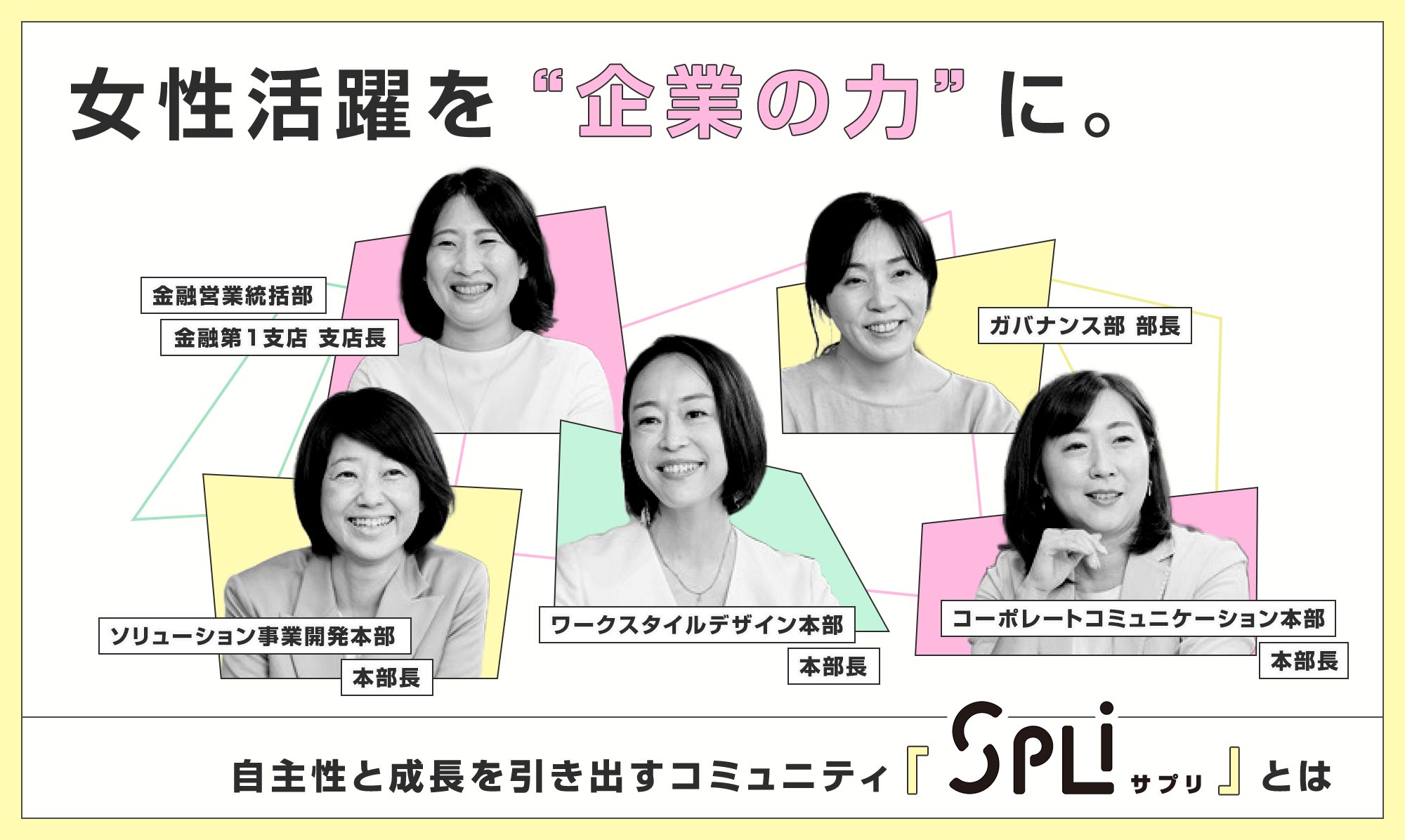
Turning women's participation into a "corporate strength": What is "SPLi" a community that draws out autonomy and growth?
-
January 29, 2026
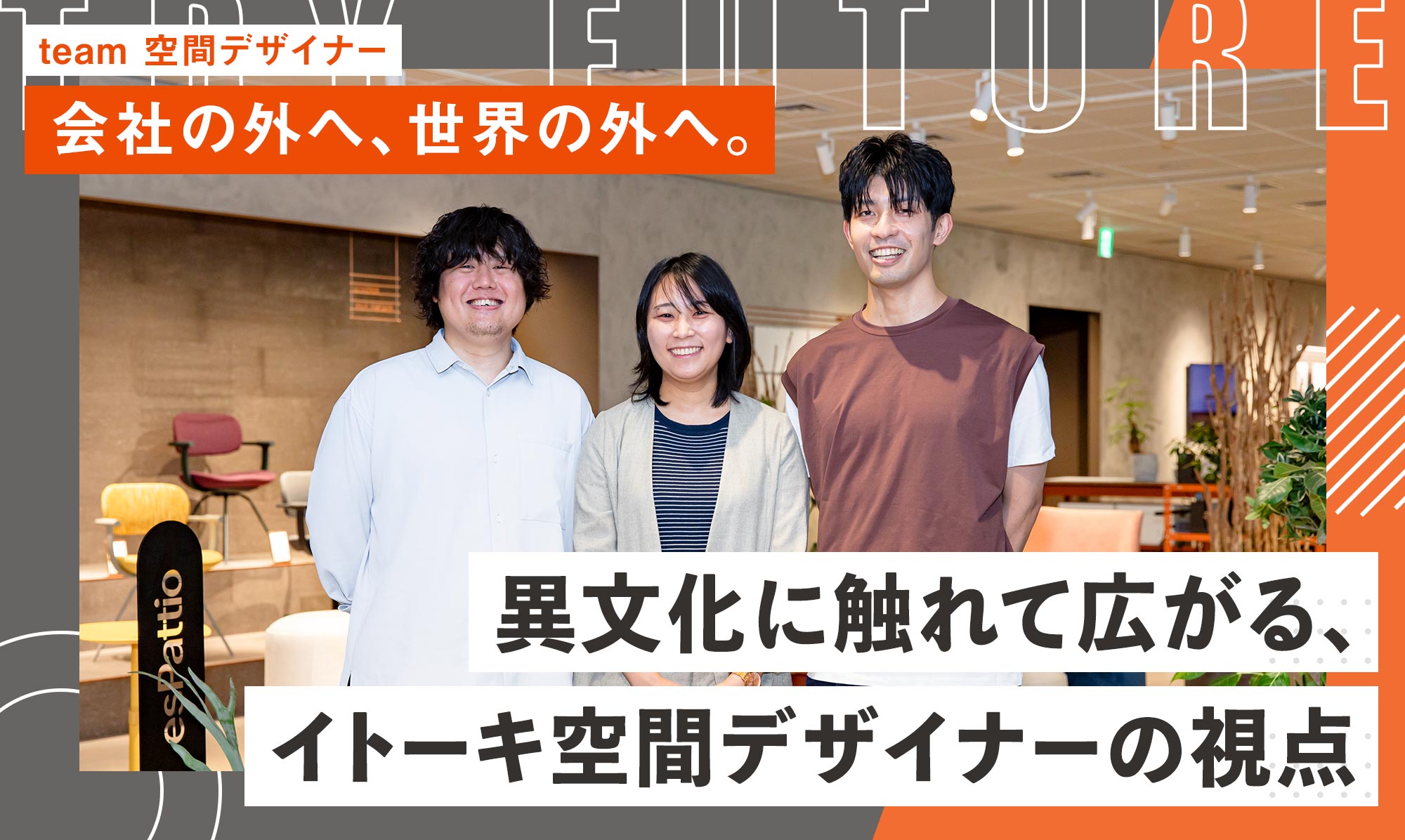
Outside the company, outside the world: The perspective of ITOKI space designers broadens through exposure to different cultures
-
December 18, 2025
Despite the constraints, why did we insist on using "real wood"? - Behind the scenes of Feels development
-

December 11, 2025
"I want to deliver what is truly needed" - the designer's philosophy based on the "essence of architecture"
-
December 4, 2025
"I was jealous of my peers" - How a new salesperson used frustration as motivation to grow
Search by tag
Works
Job Type
Work Style
- #Women's empowerment
- #CareerChange
- #Young people's success
- #Global Activities
- #Seniors Active
Culture
- #diversity
- #human capital
- #InternalCommunication