


November 26, 2025
Not being bound by conventional wisdom revolutionizes a long-selling product. The "challenge to chairs" that embodies the vertebra in its 36th year
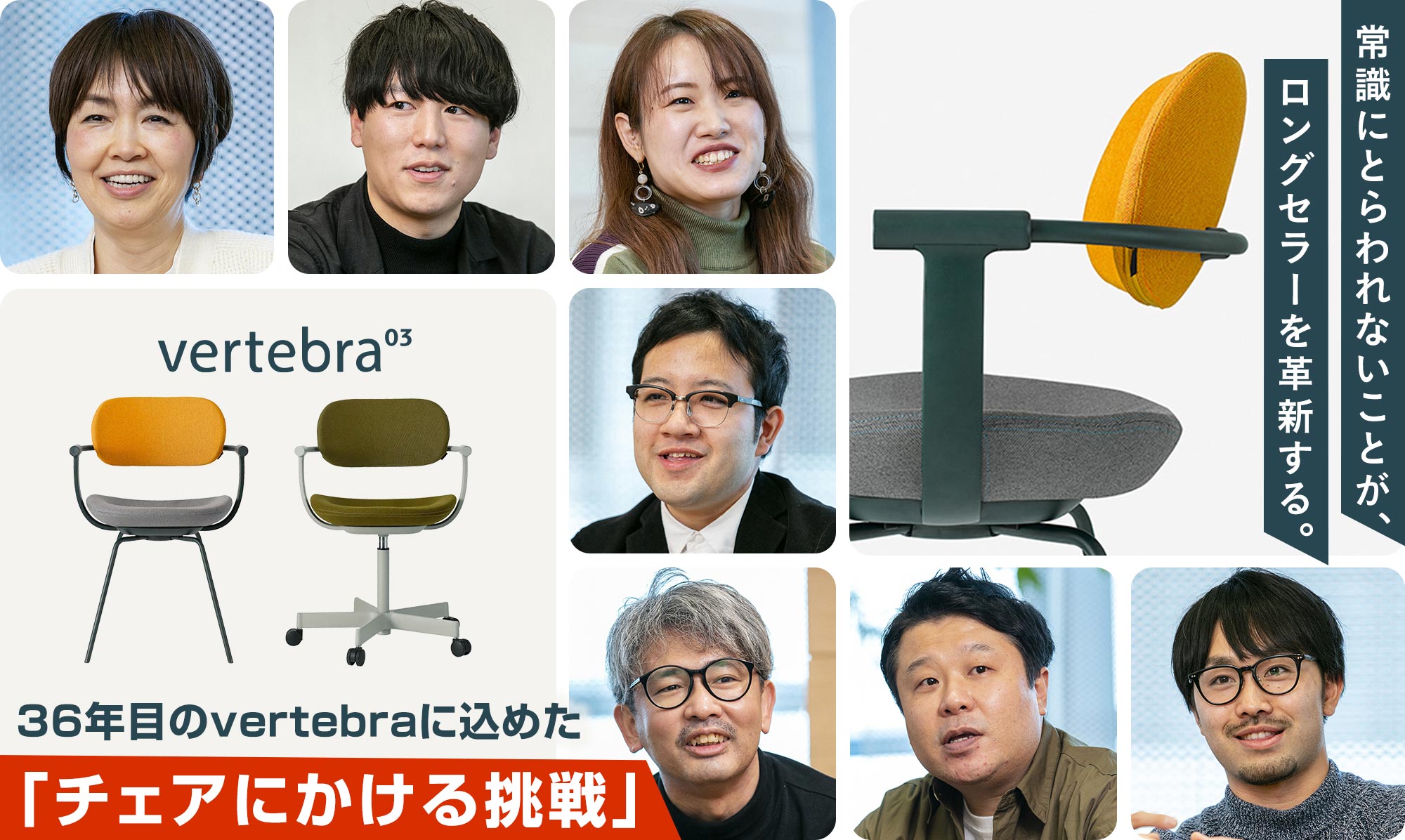
"vertebra03" was born in 2017 through a collaboration between ITOKI's in-house designers and product designer Fumie Shibata.
As times change, the definition of "comfort" required in a work space continues to change.
How has the "vertebra" series, which dates back to the early 1980s, been reinterpreted, and what was the inspiration behind its new form? We take a look behind the scenes at the young project team's attempt to create something that "transcends the boundaries between work and life."
Product Planning Manager
Keisuke Tanaka
Representative of Design Studio S
Fumie Shibata
In charge of conceptual design and detailed design
Yuki Takeya
CMF Design
Ayuko Miyata
Design theme leader, detailed design
Kensuke Takahashi
Basic design
Minoru Hashimoto

ITOKI detailed design
Ryogo Morita
*The department, position, and system are those at the time of the interview and may differ from the current information.
Contents
- A work chair that transcends the boundaries between WORK-Style and "life"
- A team that is unconventional and aims to balance WORK-Style and life
- A completely new CMF created from an objective perspective
-
A lively environment where people can freely discuss things,
Ideas are born - Expanding possibilities for WORK-Style and living
- Itoki's strength is its forward-leaning attitude and undeniable approach
A work chair that transcends the boundaries between WORK-Style and "life"
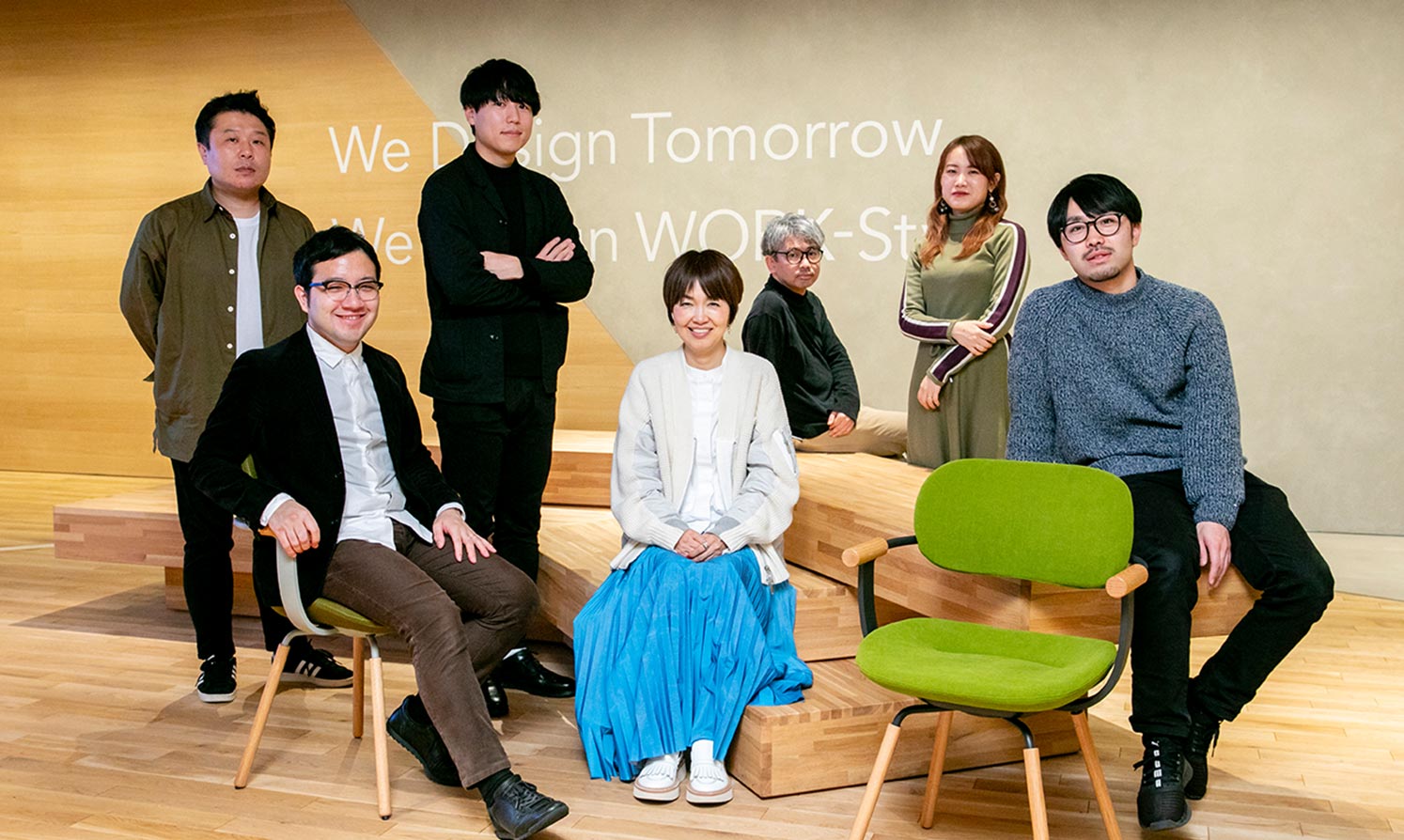
Responding to changes in the working environment and people's awareness - to realize this desire, we invited product designer Fumie Shibata to rethink the ideal form of office furniture and created "vertebra03." Our goal was to create office furniture that differs from the traditional context and responds to the free work styles of the future. This work chair, which transcends the boundaries between WORK-Style and "life," will make WORK-Style in Japan more flexible.
1. Back rocking function
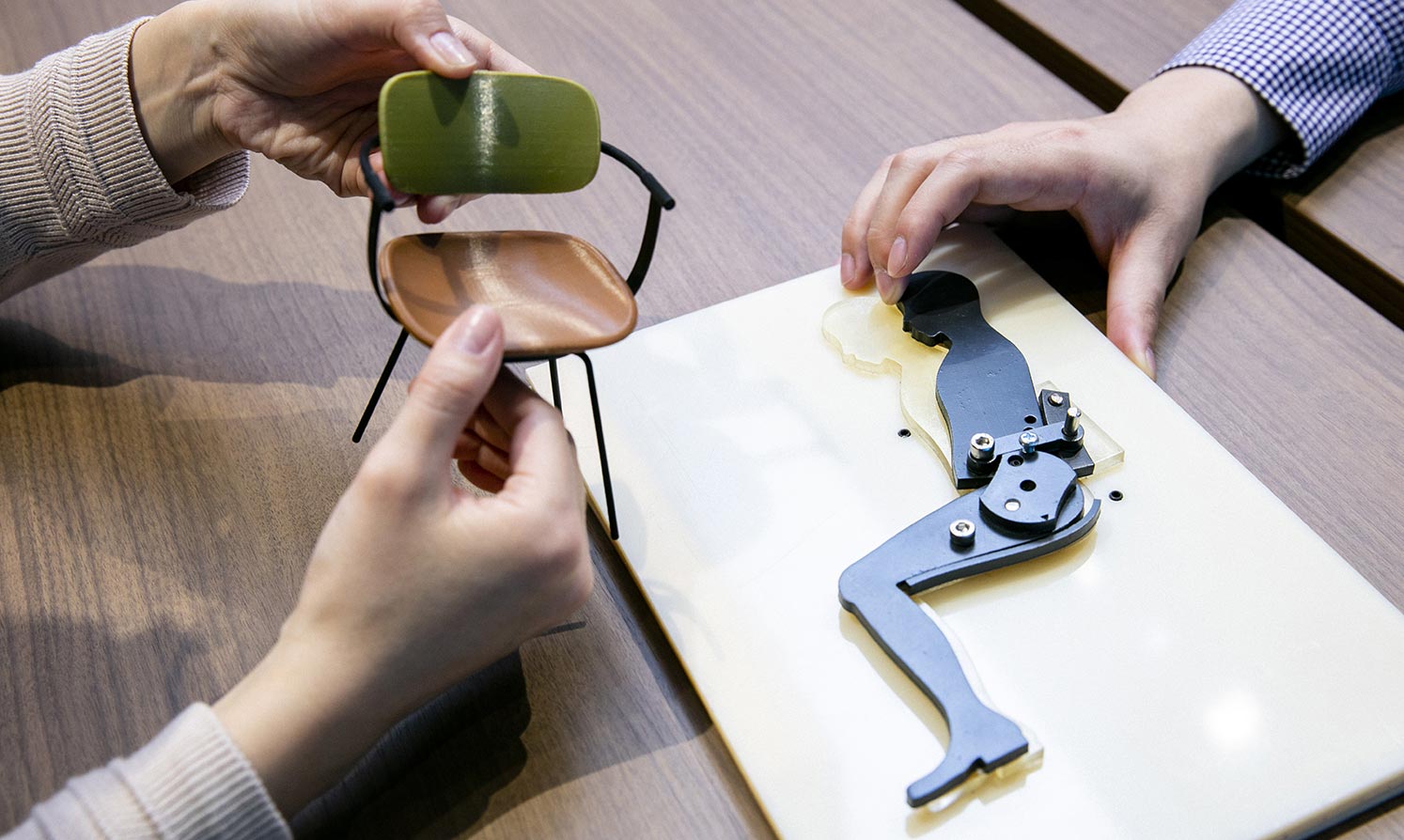
The "vertebra03" features a natural movement of the back and seat, gently fitting the body of the person sitting in any position. It offers revolutionary seating comfort backed by ergonomics. It further evolves the concept of the original "vertebra" - a "people-first office chair" - and is equipped with a variety of functions that would be hard to imagine from its living room-like appearance at first glance.
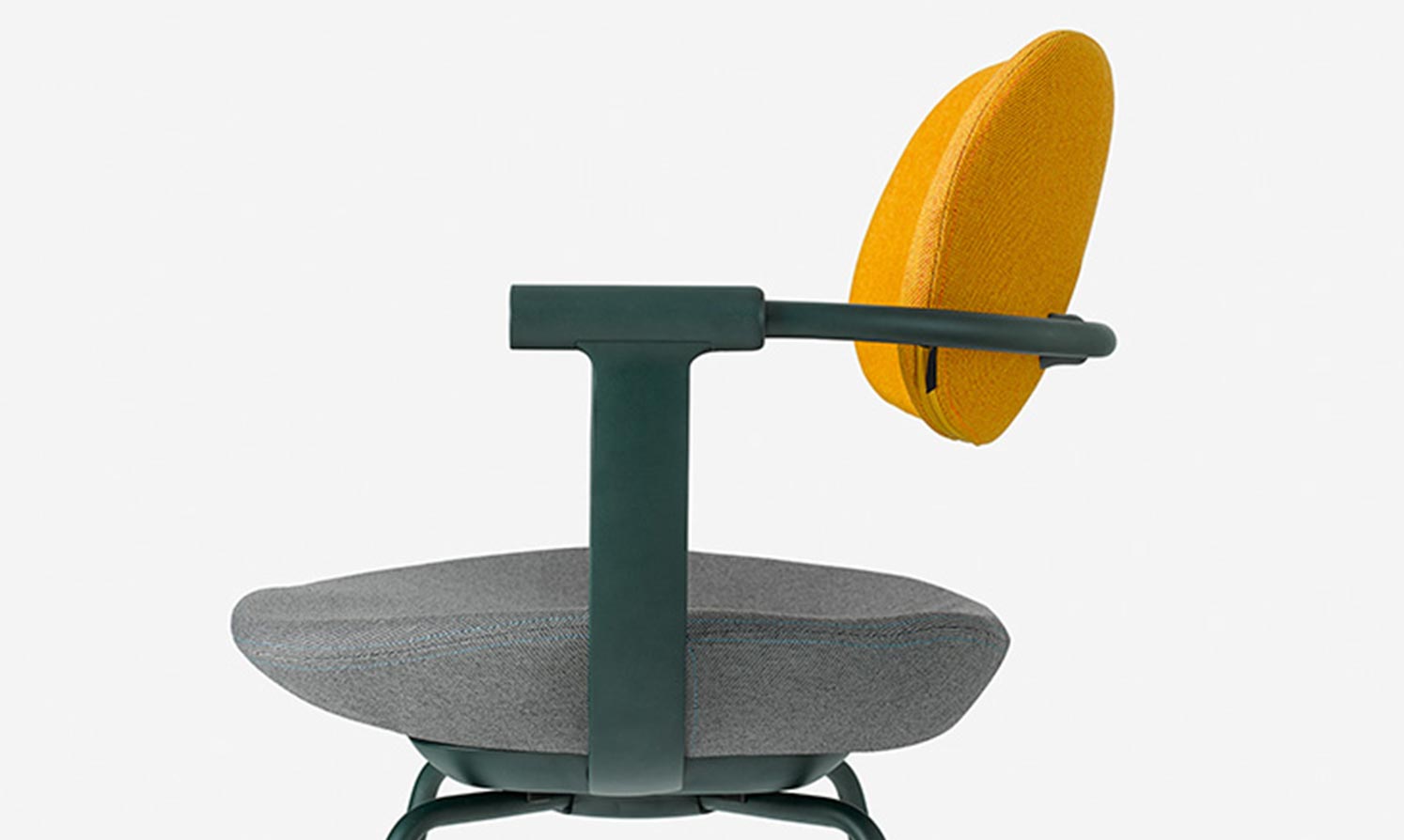
When you lean back, the two fulcrums at the elbows and the back of the chair work together, tilting the chair up to 25 degrees. By using your elbows as a fulcrum, the chair supports a leaning posture and naturally promotes stretching.
2. Seat sliding function
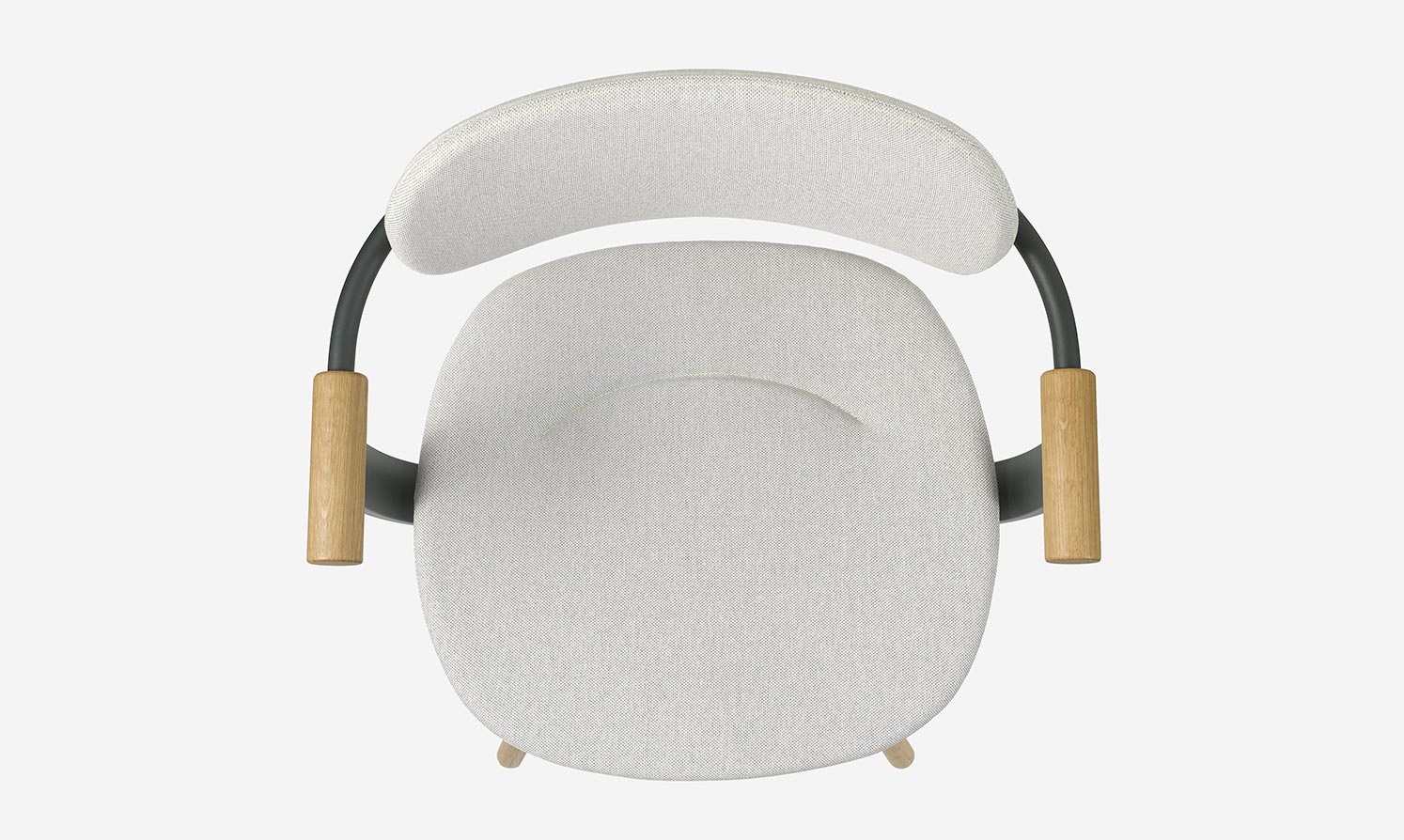
When you lean back, the seat slides forward by up to 30mm. The design minimizes the rearward impact when leaning back, making it easy to use even in tight spaces. Working in conjunction with the back rocking function, it firmly supports the body and maintains stability, naturally guiding the sitter into the correct sitting posture.
3. Forward seat tilt function
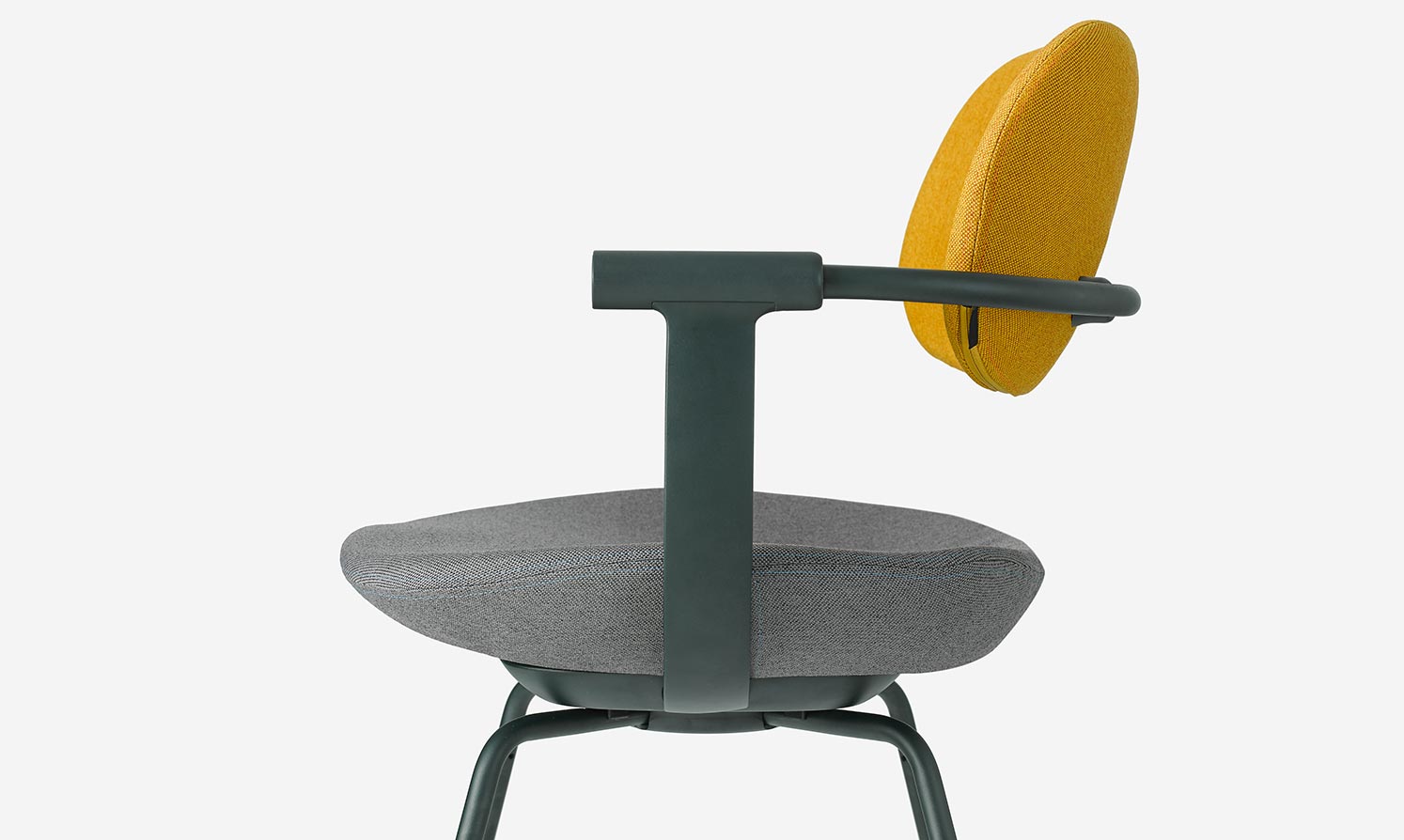
When you lean forward, the front edge of the seat bends up to 10 degrees and tilts naturally, reducing pressure on the thighs when using a computer or writing.
4. Seat up/down function
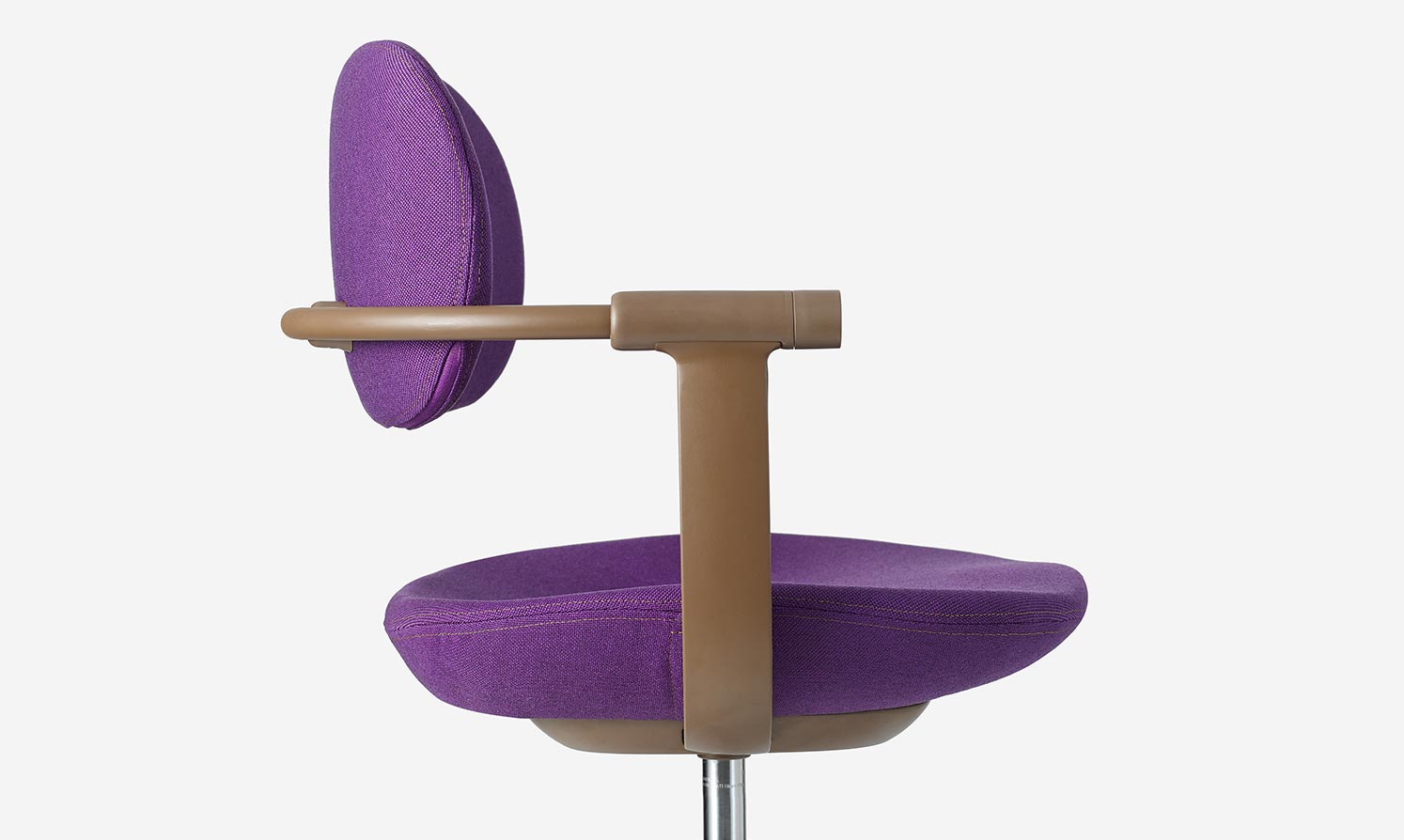
By simply turning the dial at the tip of the left armrest, you can adjust the seat height to suit your body type. You can operate it smoothly with just your hands while sitting. *Only for the 5-legged model.
5. Lineup
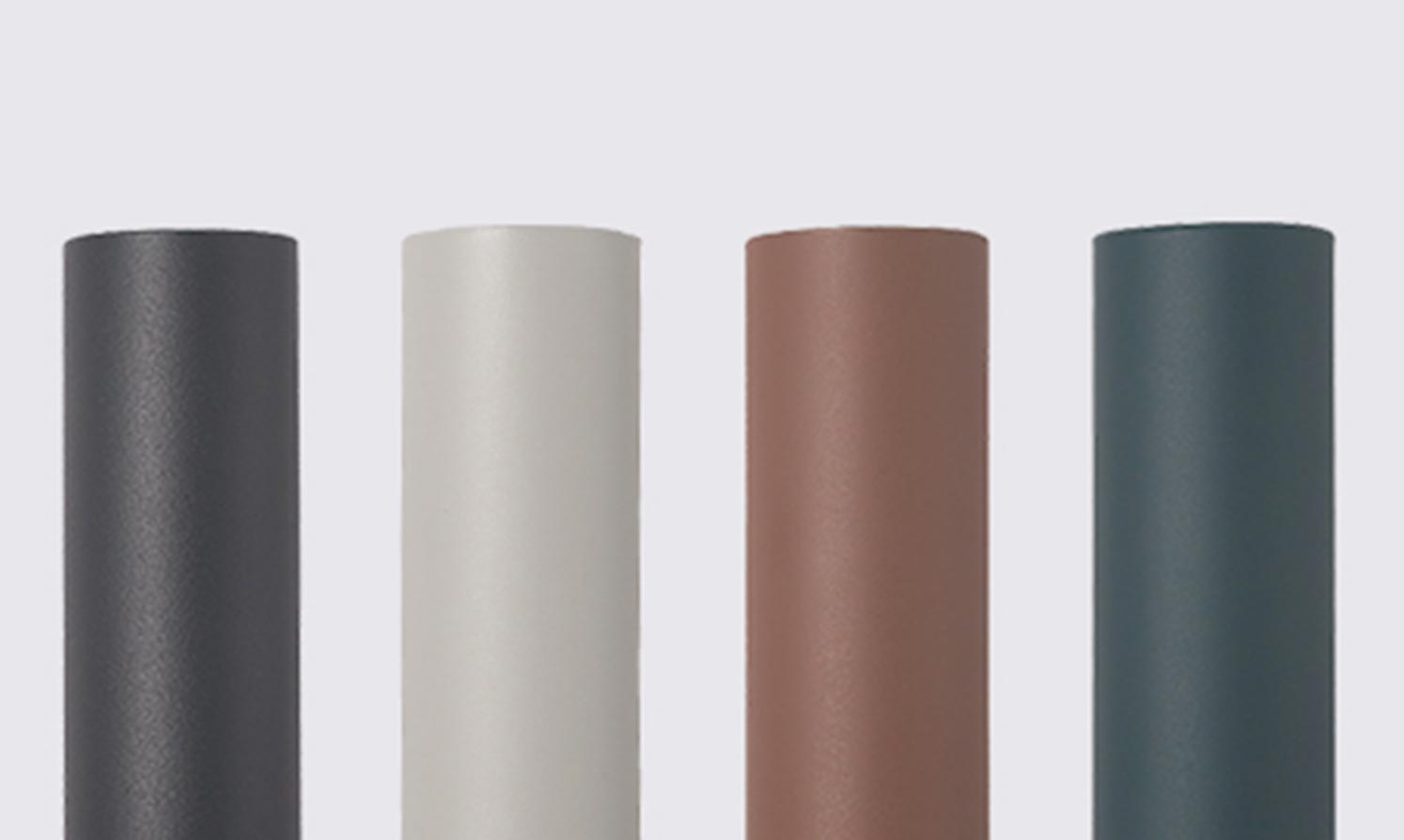
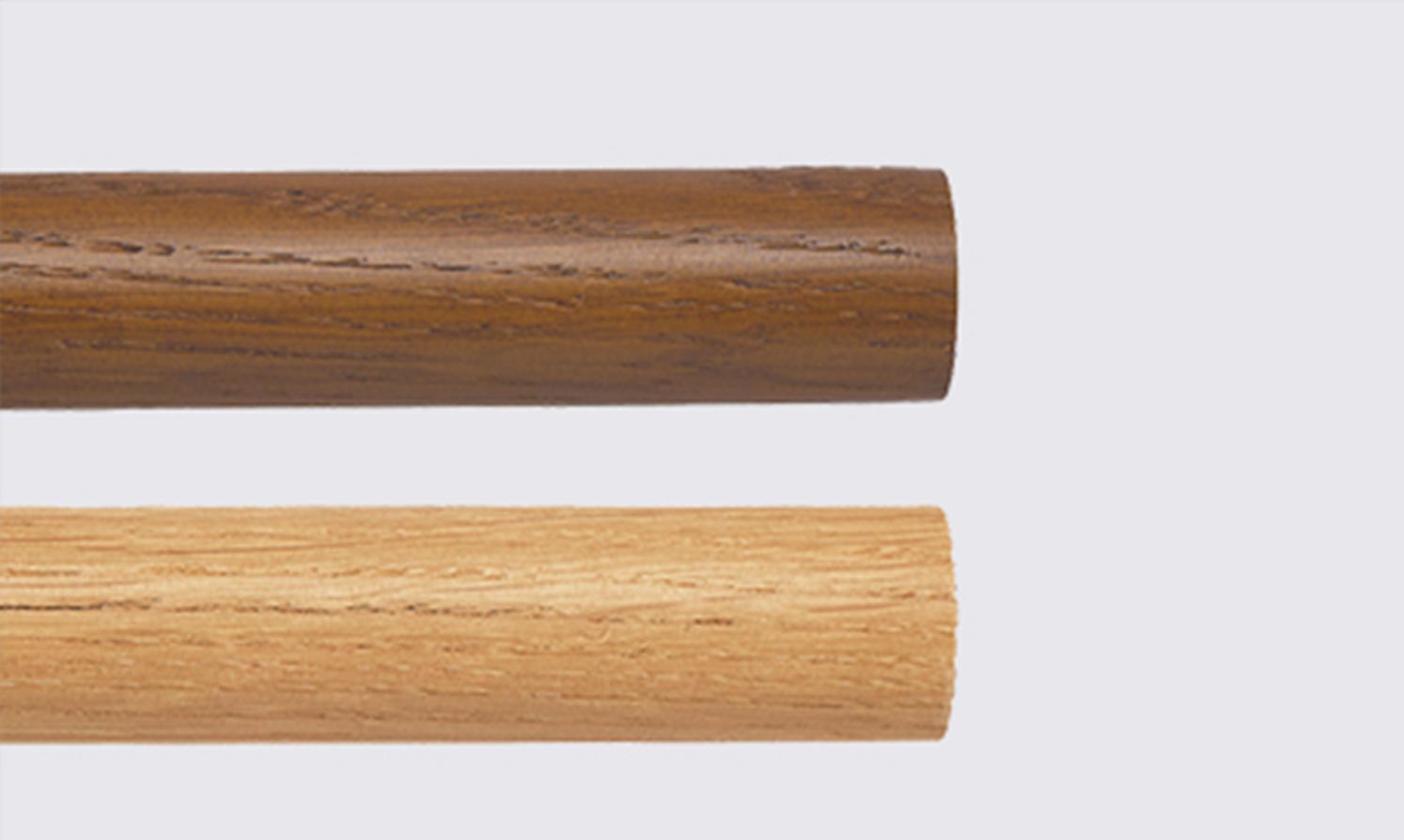
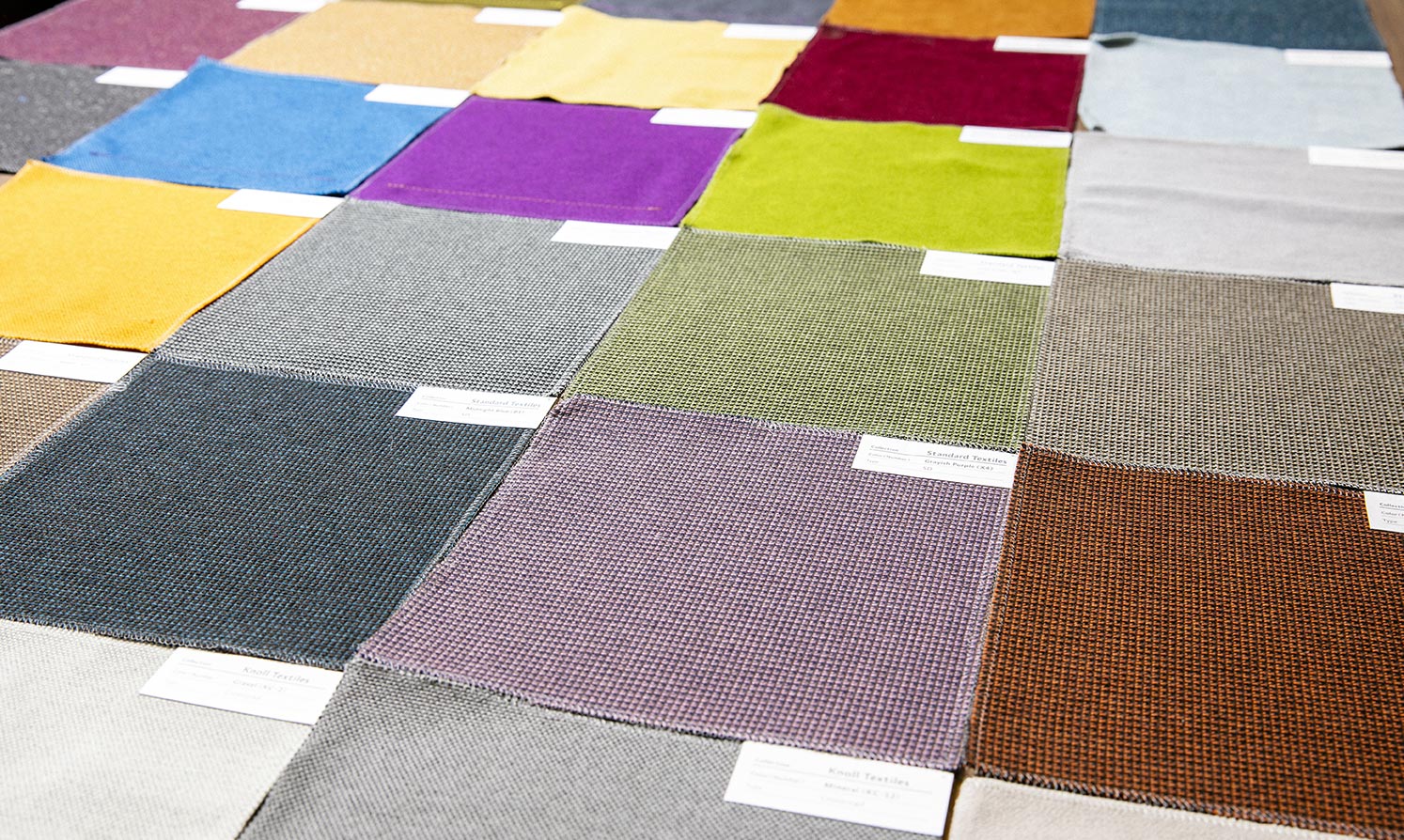
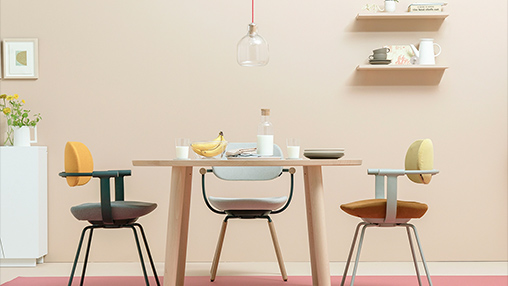
The lightweight body is made from a combination of steel and aluminum, and features materials and colors not found in conventional work chairs, such as wooden legs and nuanced colors. Available in 28 different fabrics, including an original ITOKI design, it not only brings a gentle atmosphere to the office, but is also ideal for home use.
A team that is unconventional and aims to balance WORK-Style and life
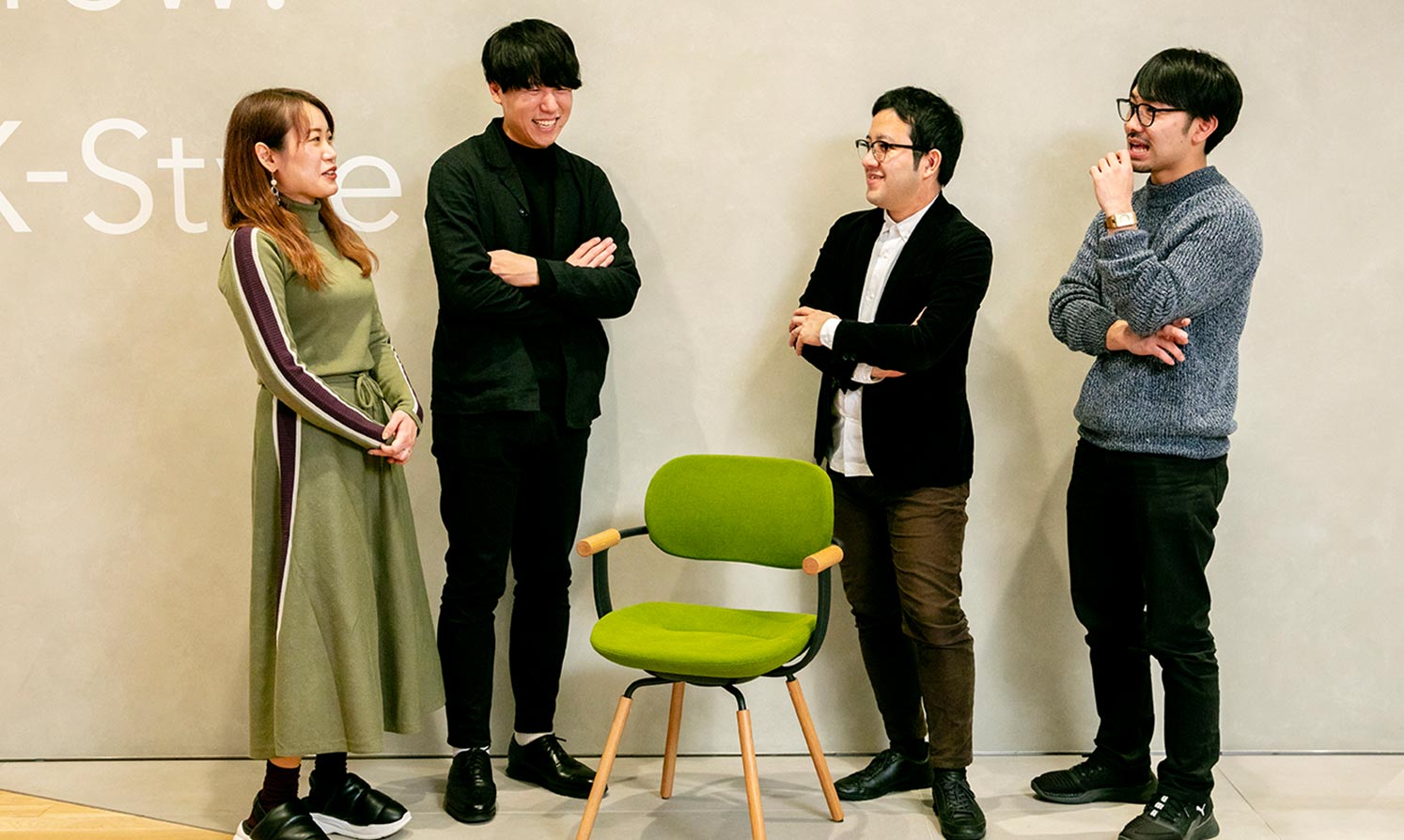
In 2017, a project was launched to rebuild "vertebra," ITOKI's longest-selling hit product.
It all started with a comment from the president at the time: "I wonder if Itoki can also create a long-lasting staple product?"
Tanaka, who is in charge of product planning, recalls, "I thought it was an opportunity."
What came to his mind was the office chair "vertebra," which was released in 1981. Equipped with cutting-edge features based on ergonomics and biomechanics, this product overturned the conventional wisdom of office chairs in Japan and has been a long-selling favorite for many years.
However, "vertebra" was no longer a good fit for modern working styles.
"As working styles around the world become more diverse, the role that offices are expected to play is constantly changing.
"While inheriting the original concept of a 'people-first office chair,' we felt it was necessary to evolve it into a form that suits the current era. New value cannot be created by simply extending conventional theories. We saw this as a golden opportunity to take on the challenge of redesigning the third-generation vertebra."
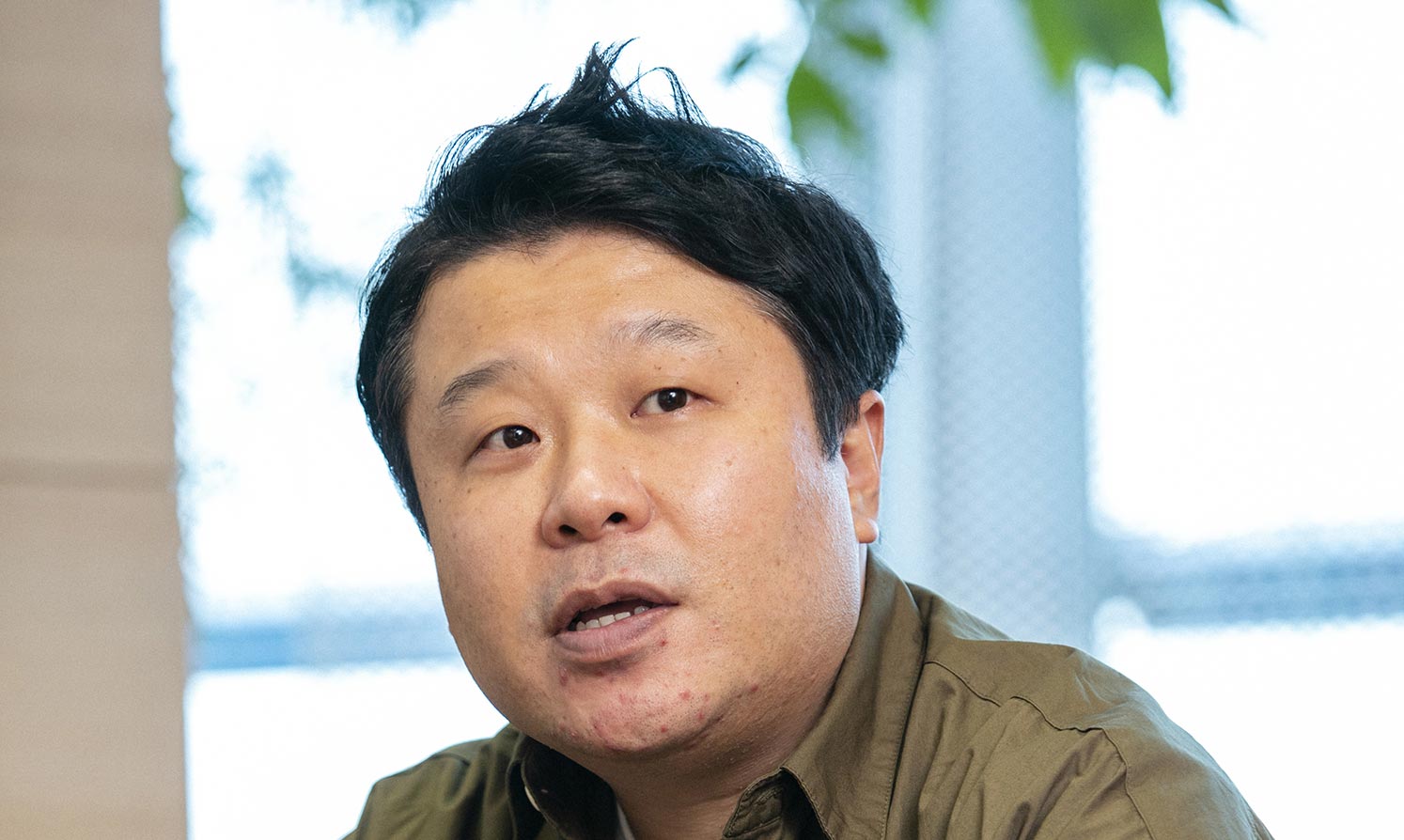
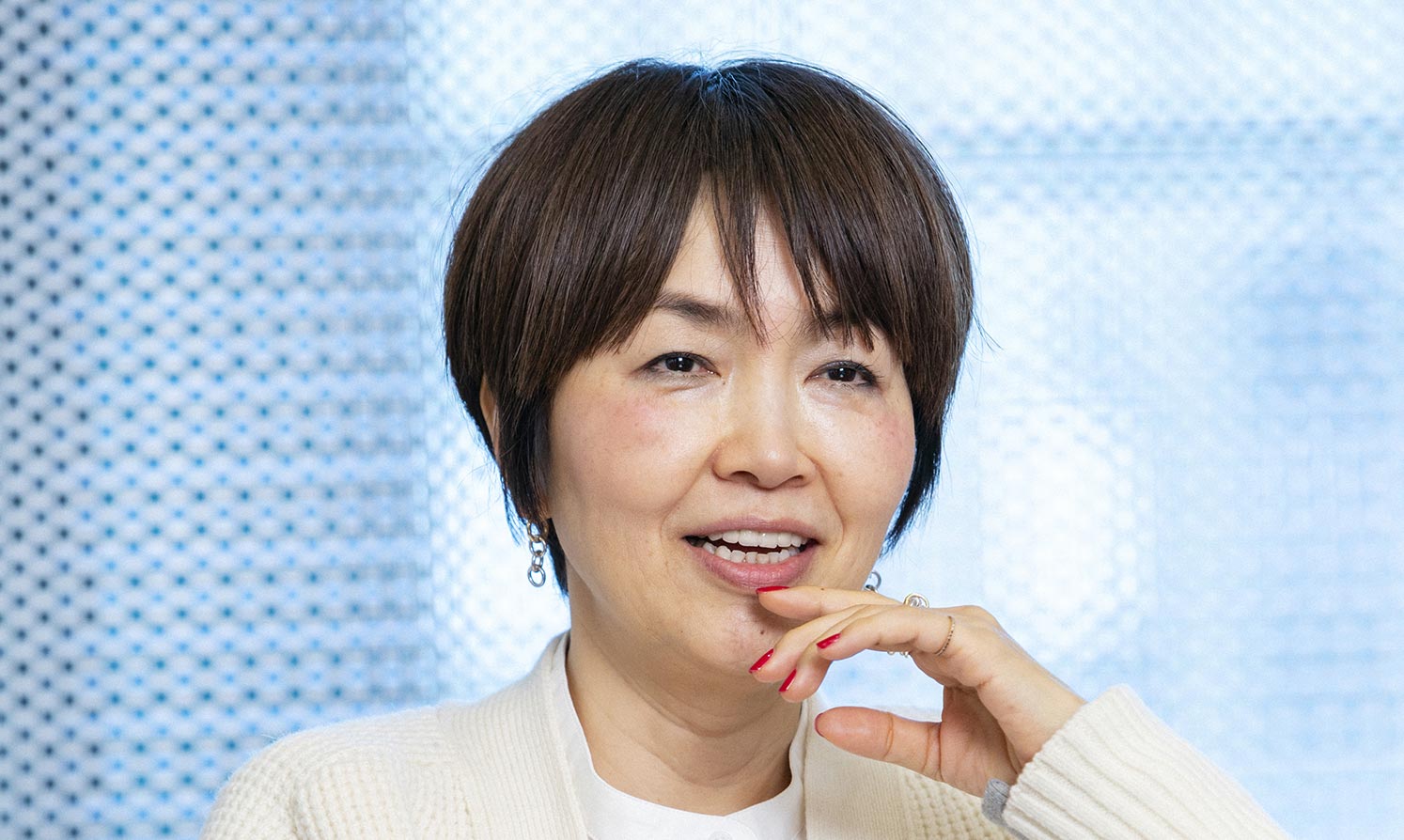
So Tanaka asked Fumie Shibata, a product designer known for her living-room-like designs, to collaborate.
"Reinventing the classics" without being bound by theory
"If we follow the same theories as before, we won't be able to make any major changes to the direction of vertebra.
Until now, office furniture has tended to be highly functional and have a "masculine" feel. However, there are now fewer offices made up entirely of office furniture, and we are moving into an era where people are working from home via telework.
"If we think outside the box and come up with a living-like design that suits spaces that are connected to daily life, we could bring about big changes."
Shibata also recalls, "It was my first time designing office furniture, and I felt some pressure to work with such an iconic product. But I felt that redesigning a long-selling product to suit the modern era would be truly worthwhile, so I really wanted to give it a try."
The project immediately began in earnest. They visited Design Lab Tsukishima (DLT), the base for planning and design, and the Shiga Chair Factory where manufacturing takes place, and shared the functions of the first-generation "vertebra." "I felt the passionate love for vertebra from everyone at ITOKI," says Shibata.
Over the next year or so, we thoroughly discussed "what is modern work style?" We observed people working in coworking spaces and other places, extracted postures that should be supported through fieldwork, and considered seat shapes and fabrics, solidifying the concept of "a work chair that transcends the boundaries between 'work' and 'life'."
A completely new CMF created from an objective perspective
In 2018, Miyata, who is in charge of CMF design*, joined the project. Having just transferred from an interior materials manufacturer four months ago, she says, "It's important that even the younger generation who don't know the background of vertebra can honestly say, 'That's cool!'"
*CMF design: A specialized field that designs the three elements of a product: color, material, and finish.
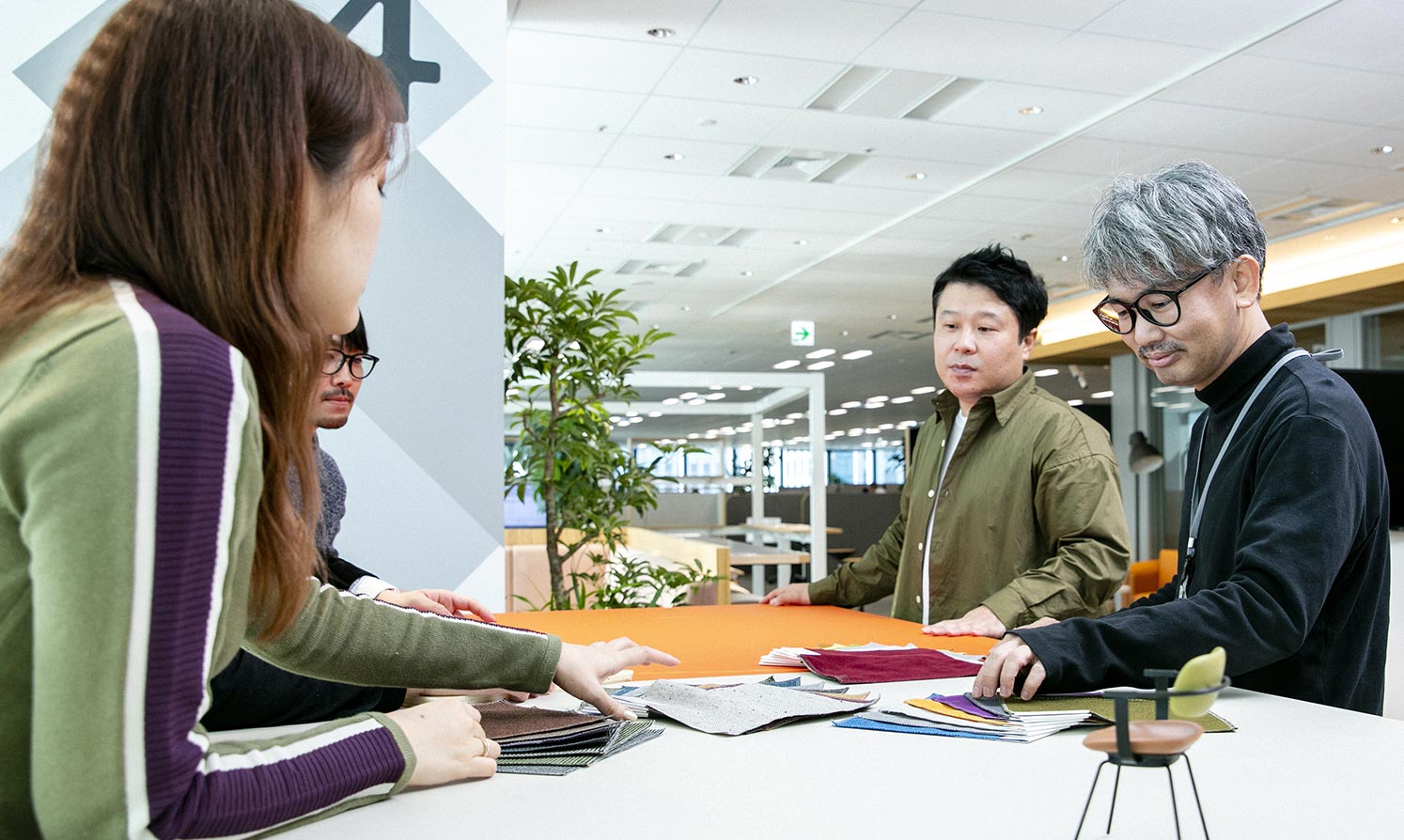
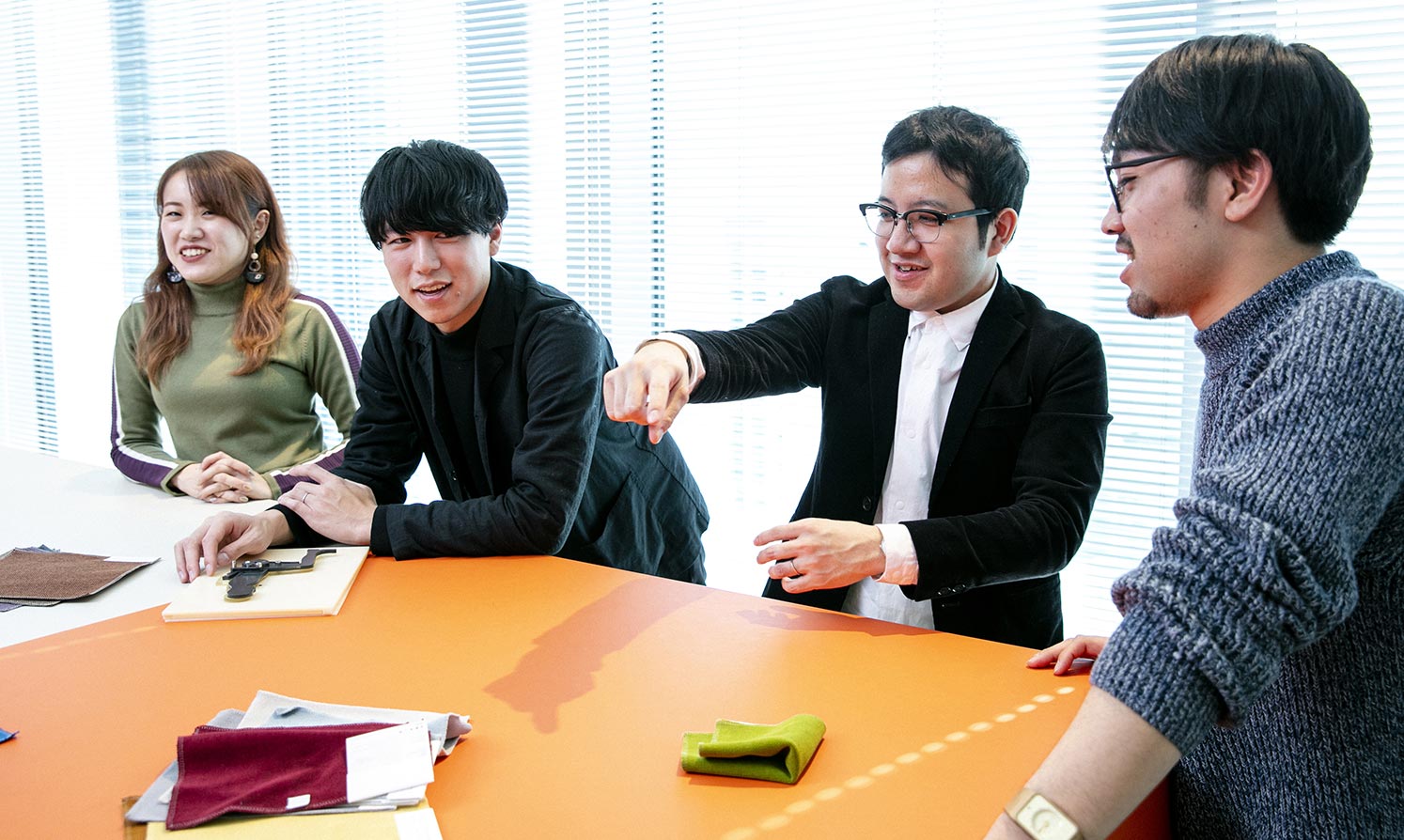
We mixed dozens of upholstery samples with Shibata's color suggestions, and continued to search for materials and colors that could be selected to suit different ways of working and living.
In the end, we adopted 28 colors of fabric, including four body colors with a matte texture, original ITOKI types, and textiles from the New York furniture brand "Knoll." We achieved a wide range of challenging CMFs, the widest ever seen in ITOKI's history.

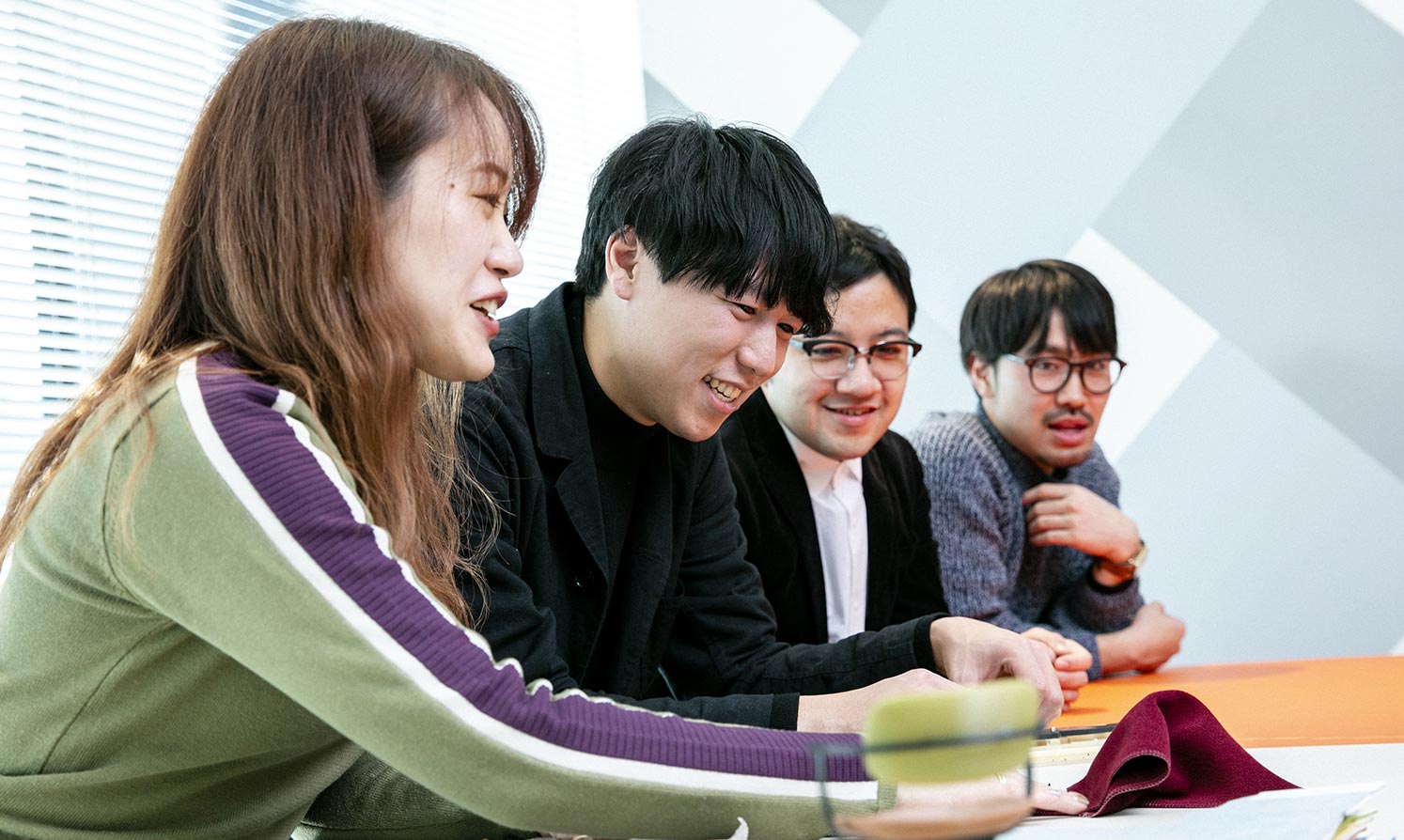
The days of "If you work hard to make something good, it will sell" are over.
Miyata says, "The days when 'if you work hard to make good products, they will sell' are over, not just for offices. On the other hand, the days when 'if it's cheap, people will be happy' are also over. What value does furniture provide to me? What kind of space can it create? Customers' perspectives have matured to that point."
"Amidst this, a major role of CMF is to convey catchy messages like 'stylish!' and 'on-trend!' This project taught me this lesson once again."
A lively environment where people can freely discuss things,
Ideas are born
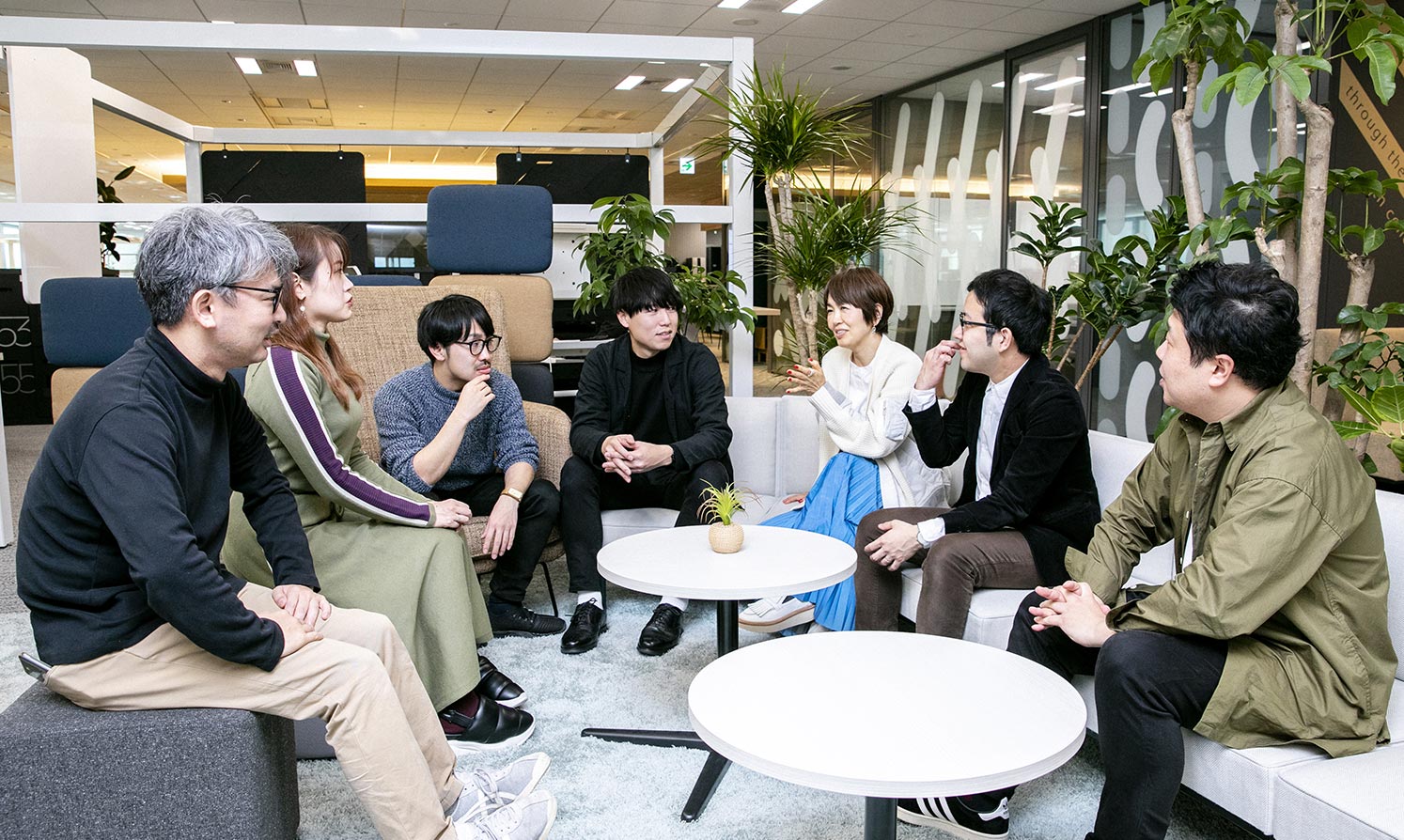
When the mass production design phase began in 2019, the project was led by young members who had been with the company for less than 10 years. Led by Takahashi, the design theme leader, Takeya, who was in charge of concept design and detailed design, and Morita, also in charge of detailed design, the three members held discussions day and night.
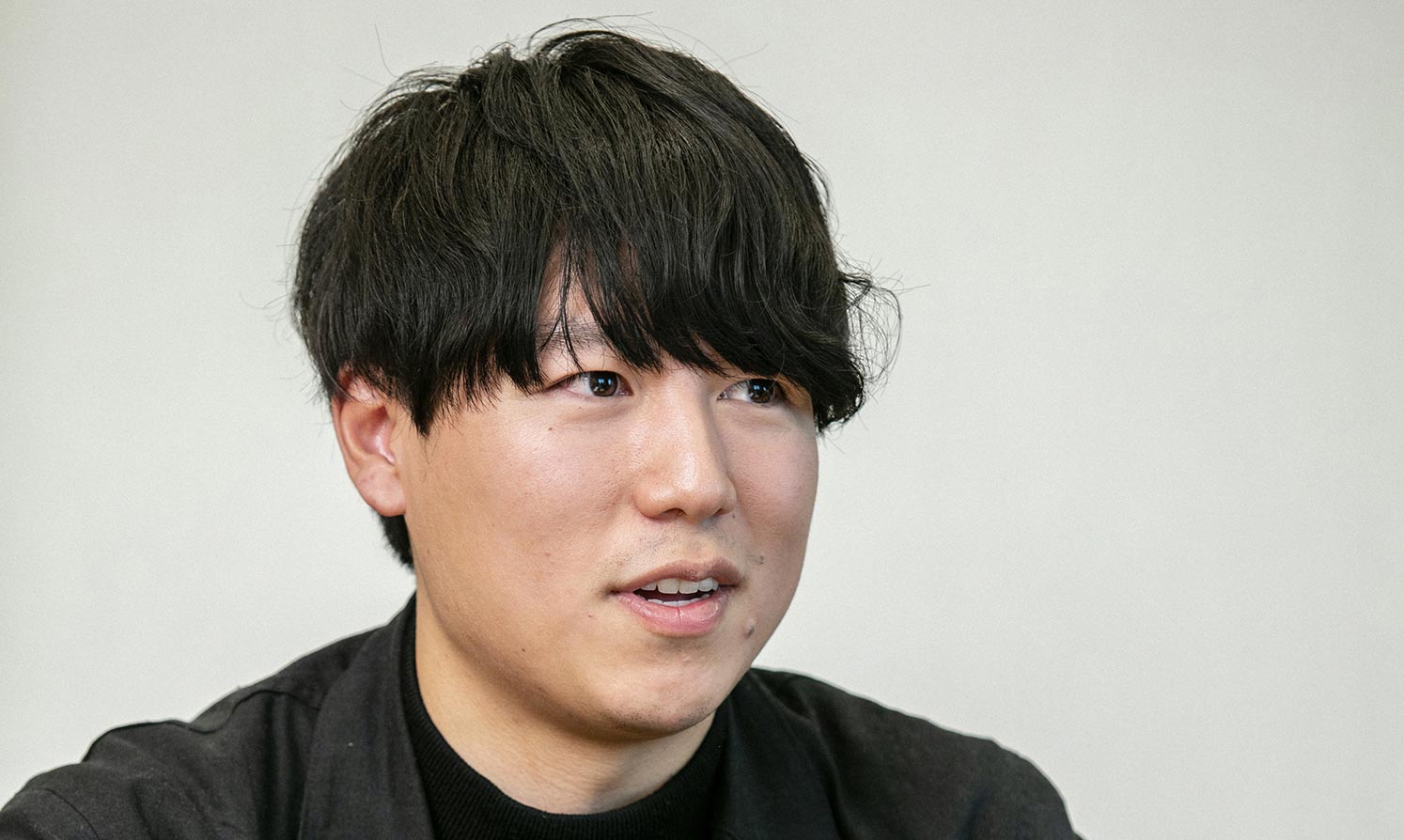
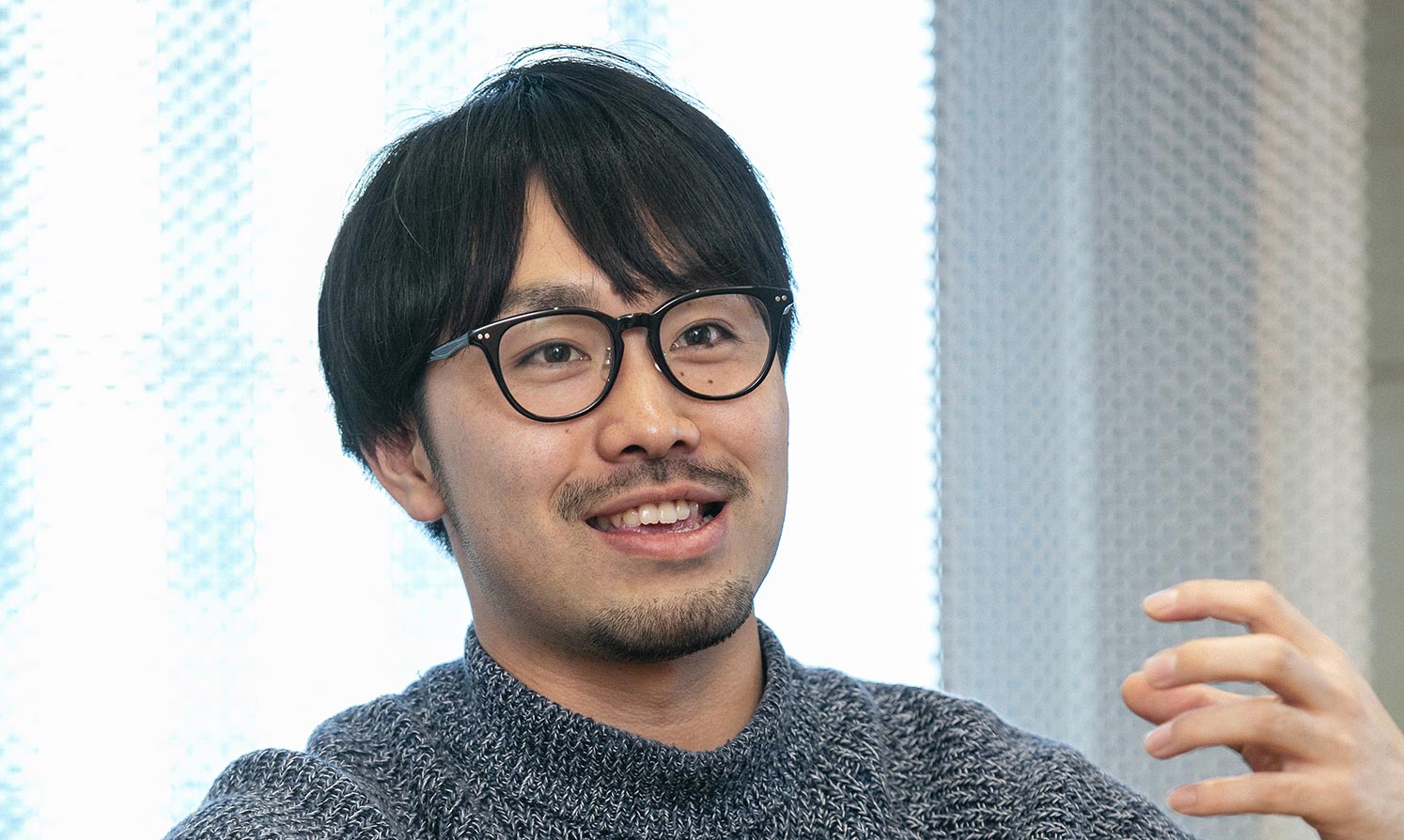
"I was amazed when I saw the design sketches that Shibata presented. It was necessary to incorporate a variety of functions into a slim silhouette. We talked constantly about how to balance design and mechanics," says Takeya.
Morita continues, "We said, 'Let's not talk about work today,' but 15 minutes later we were discussing the design. But a lot of different ideas came out of that." We thoroughly discussed mechanisms to make the most of the design, such as moving the back, bending the elbows, thinning the "mecha" part on the underside of the seat, and adding fabric to the hollowed-out seat surface.
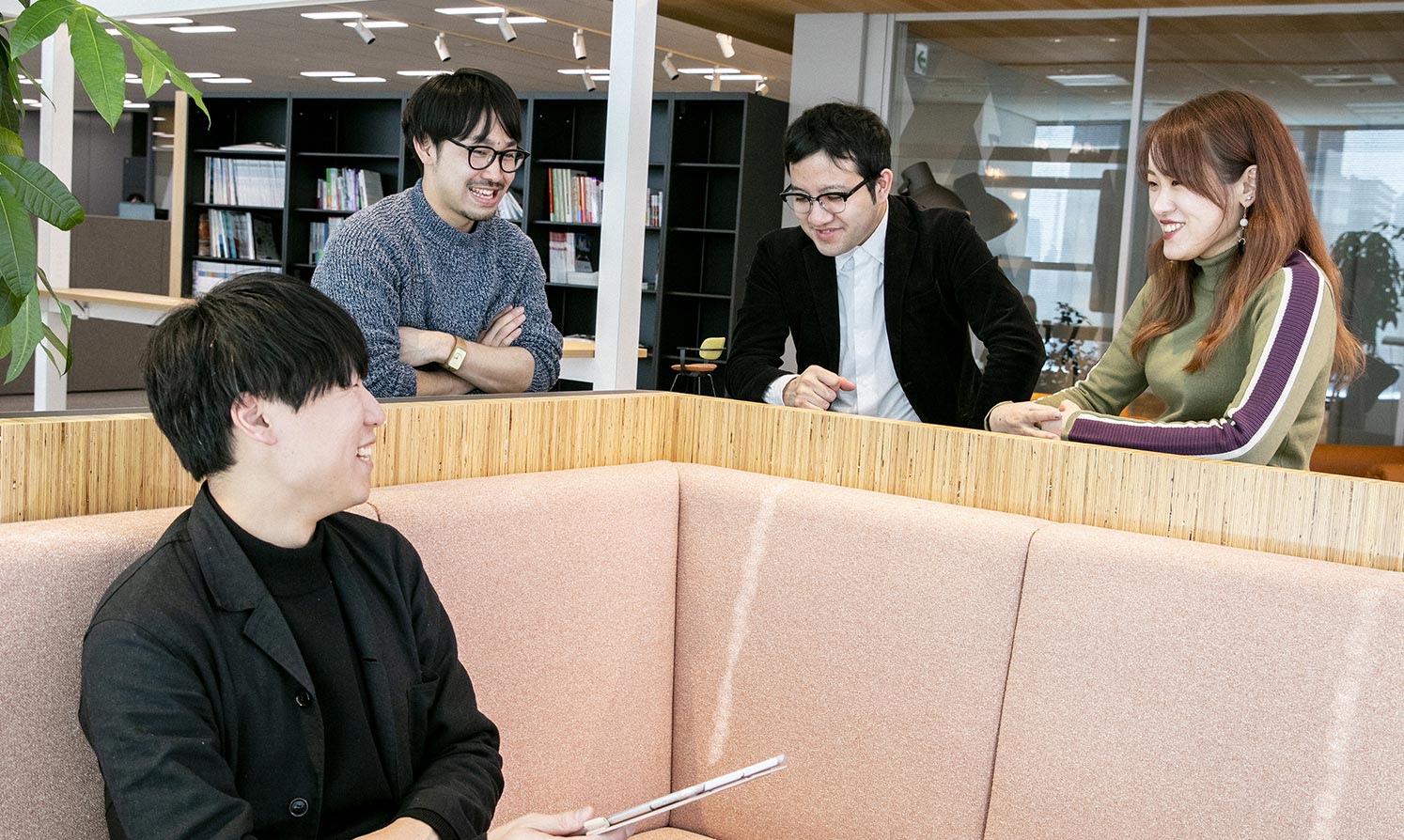
"Design meaning" and "functionality" can coexist
Hashimoto, who backed up the three, said, "All the other project members except for me had the advantage of coming from a design background."
"Until now, chair design has mainly been carried out by people with a mechanical engineering background. However, this time, by having people with a design background participate, we were able to achieve a balance between the two, as we had gathered people who understood the meaning of design, rather than simply rejecting the mechanism as a premise."
The team came together to create a work chair that transcends the boundaries between WORK-Style and "life" - and thus, in 2019, "vertebra03" was officially born.
Expanding possibilities for WORK-Style and living
Takahashi, who served as a design theme leader for the first time, reflected, "I think we were able to complete a product that we can be proud of because we were given the freedom to take on new challenges. I'm really glad that we were able to complete it with this team, here at Itoki. It's all thanks to the cooperation of everyone in the Shiga factory and many other departments."
"I want to continue to create attractive products that are in line with the times and that only Itoki can produce. I also want to grow as a person so that I can review my processes and move projects forward more efficiently."
Tanaka also said, "Our mission is to develop vertebra03 into a product that will be loved for a long time. We will explore all possibilities, including overseas expansion, to develop it not only as a chair, but as design furniture that combines the appeal of both work and life, rather than as office furniture."
The year 2025 marks the 44th anniversary of the launch of the first generation of the "vertebra" series. This is ITOKI's longest-selling and best-selling "chair," and it will continue to evolve with the changing times.
Itoki's strength is its forward-leaning attitude and undeniable approach
The role expected of an external designer is to propose "unattainable goals." However, no matter what proposal I made, the people at Itoki never rejected it. I am very impressed that we were able to realize it in a form close to the initial rough sketch.
How can we create a "new type of chair" that truly matches the way we work today? It was a very good experience for me to be able to think about this as "ONE TEAM" and create it. I look forward to continuing to see the creation of new products that help people balance WORK-Style and life.
-- Product Designer Fumie Shibata (Representative of Design Studio S)


Related products/solutions
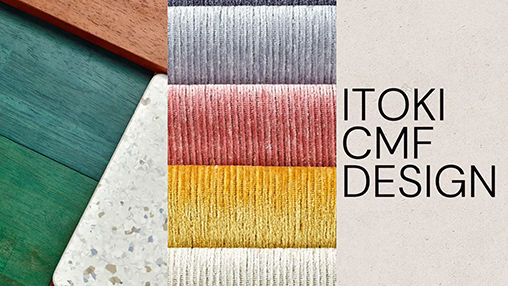
*The department, position, and system are those at the time of the interview and may differ from the current information.
Recommended Articles
-
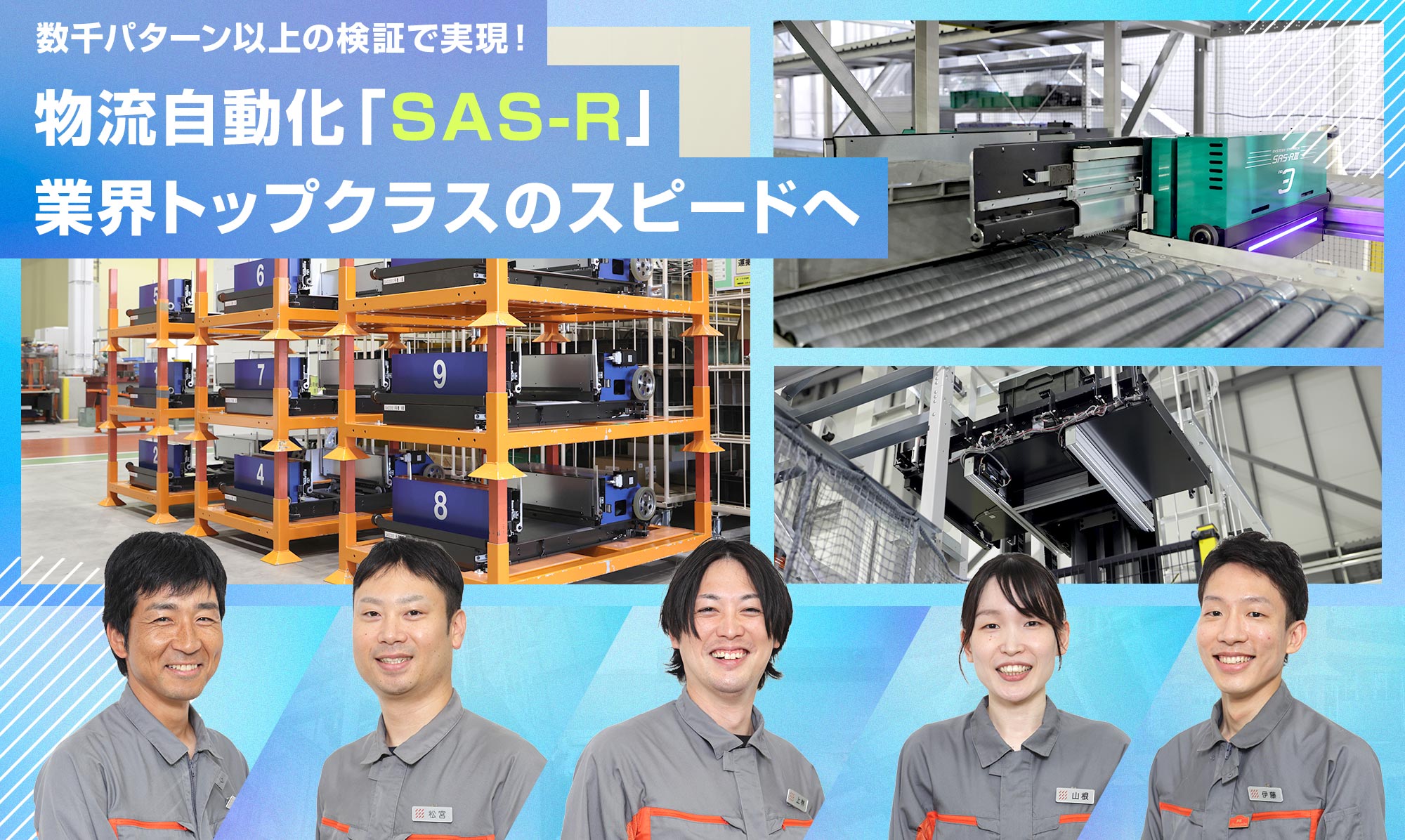
2026年03月19日
数千パターン以上の検証で実現!物流自動化「SAS-R」業界トップクラスのスピードへの挑戦
-
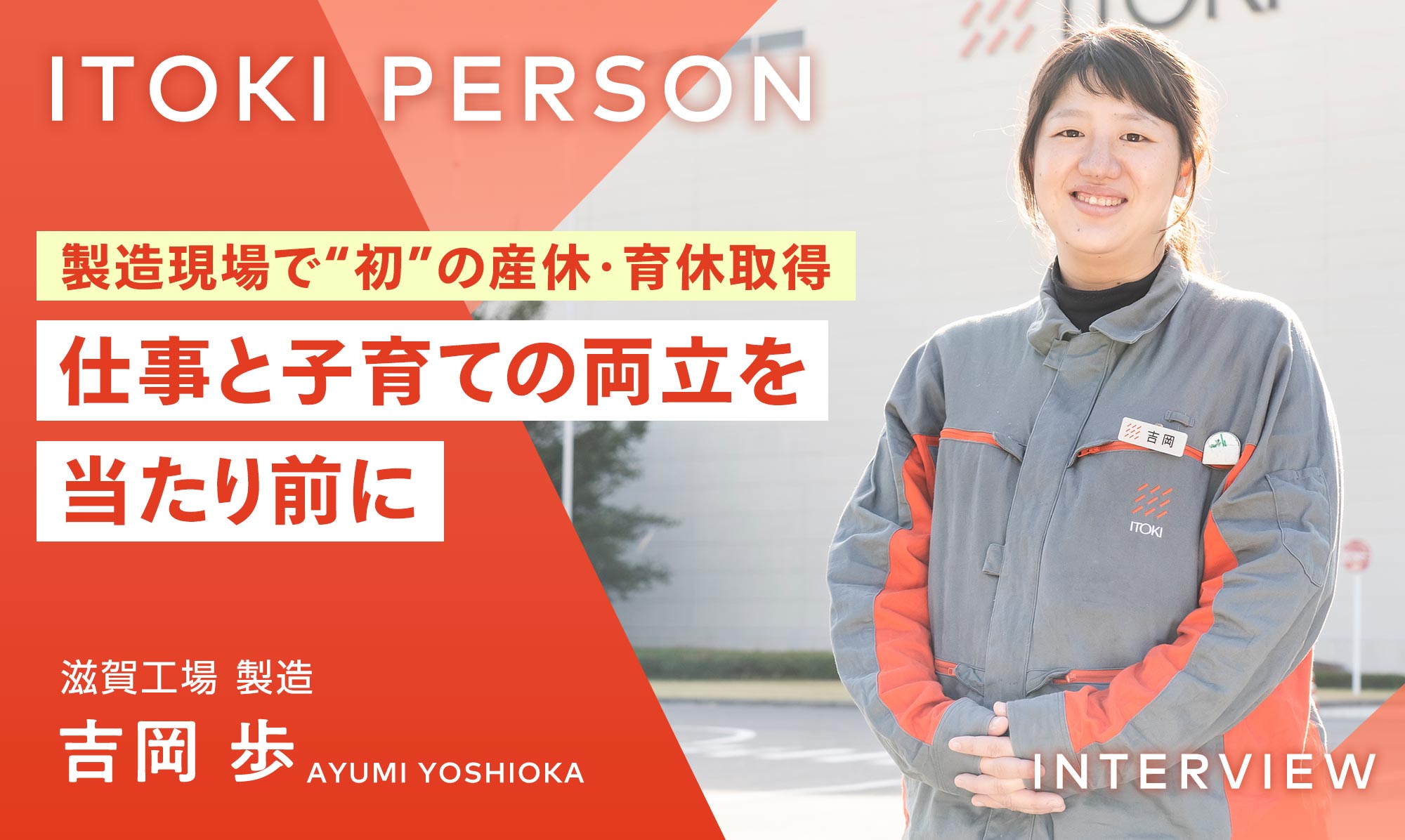
March 3, 2026
The first to take maternity and childcare leave at a manufacturing site. Creating a workplace where "balancing work and childcare" is the norm.
-
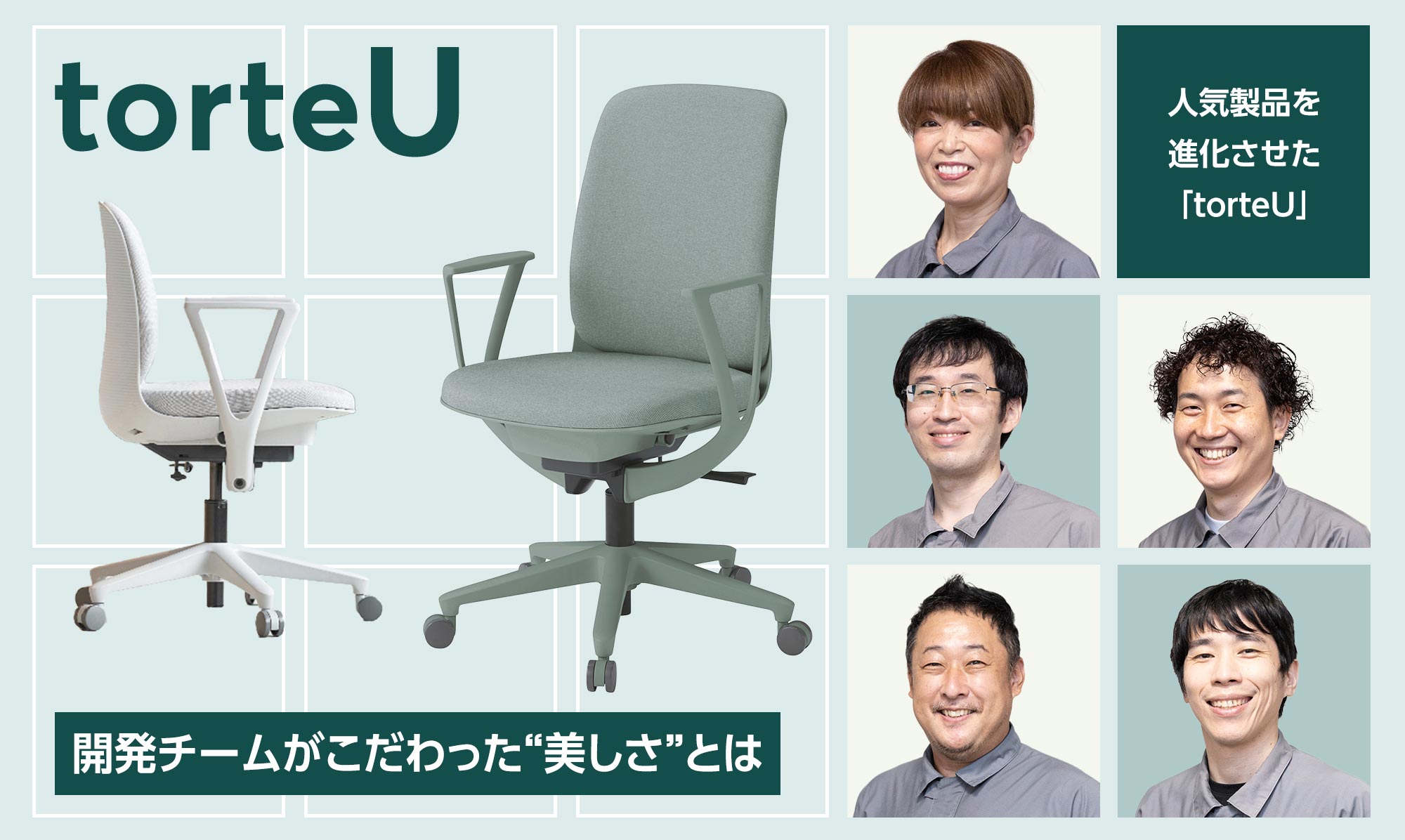
February 17, 2026
The "torteU" chair, an evolution of a popular product: what was the "beauty" that the development team focused on?
-
February 6, 2026
Turning women's participation into a "corporate strength": What is "SPLi" a community that draws out autonomy and growth?
-
January 29, 2026
Outside the company, outside the world: The perspective of ITOKI space designers broadens through exposure to different cultures
Search by tag
Works
Job Type
Work Style
- #Women's empowerment
- #CareerChange
- #Young people's success
- #Global Activities
- #Seniors Active
Culture
- #diversity
- #human capital
- #InternalCommunication