


April 22, 2026
The secrets behind painting techniques that determine quality. Creating a workplace where team members are self-sufficient through continuous improvement.


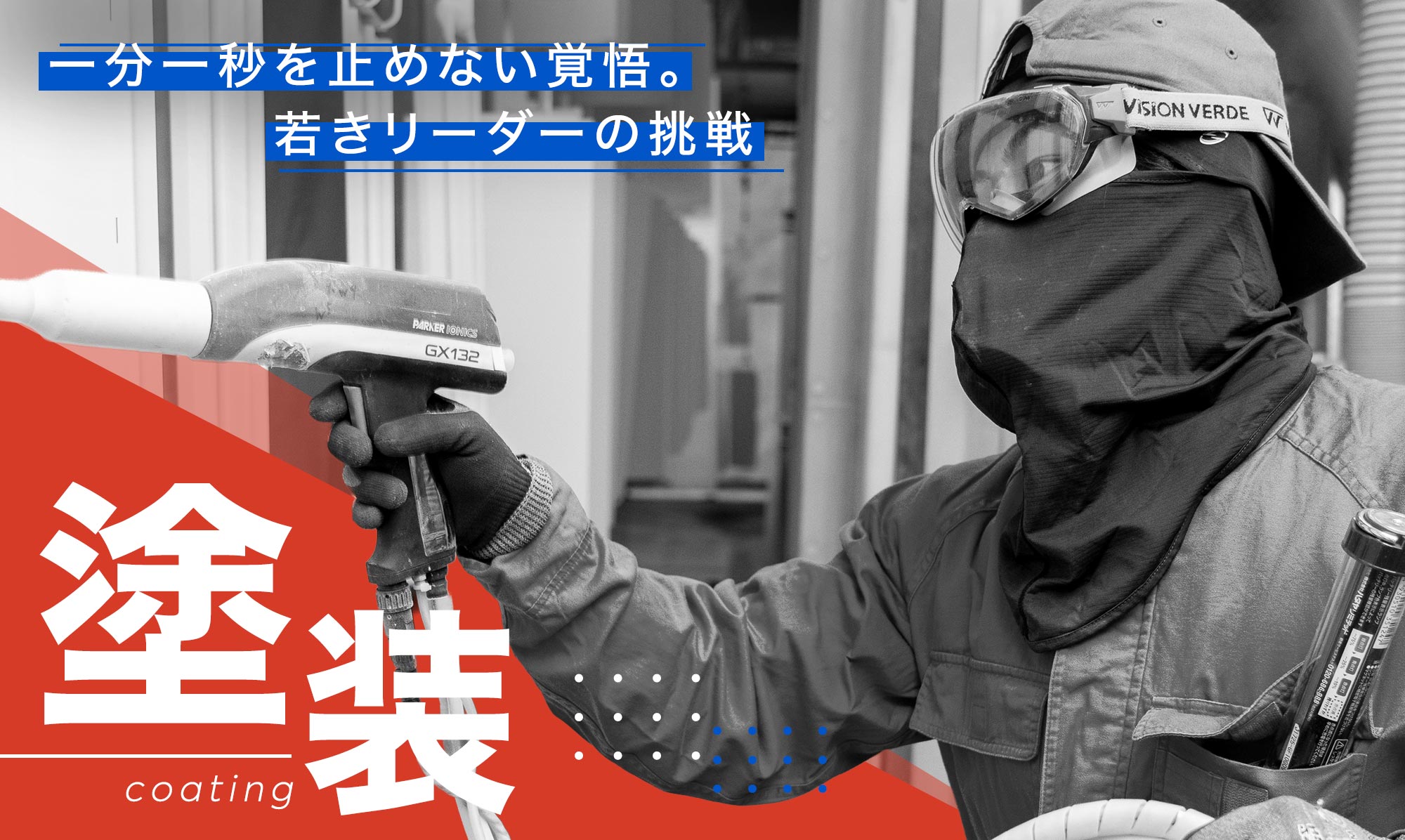
The painting process is what determines the final quality and beauty of a product. It's a frontline position where even a single second of stagnation is unacceptable. A young employee who once simply followed instructions diligently decided to take on the challenge of working on the front lines of painting after a turning point in his third year with the company.
From a defensive stance of "never stopping" production to an offensive stance of "improvement" that updates systems starting from the factory floor, we bring you the story of a single craftsman's pride and challenge that supports the quality of the Shiga factory.
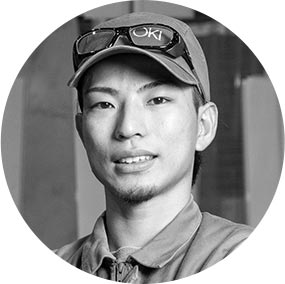
Production Headquarters, Kansai Plant, Shiga 1st Manufacturing Department, Manufacturing Section 2, Manufacturing Unit 4, Painting Team 2, Team Leader
*As of April 2026
Shota Nakamoto
I joined Itoki in 2018. I have consistently worked in the painting process at the cabinet factory. In the first two years, I absorbed the fundamental knowledge and skills of the painting process. Since around 2020, I have been building the painting team together with new colleagues, including employees who joined after gaining experience at other companies and global talent.
*The department, position, and system are those at the time of the interview and may differ from the current information.
Carrying the responsibility of the painting process, they continue to stand on the front lines.
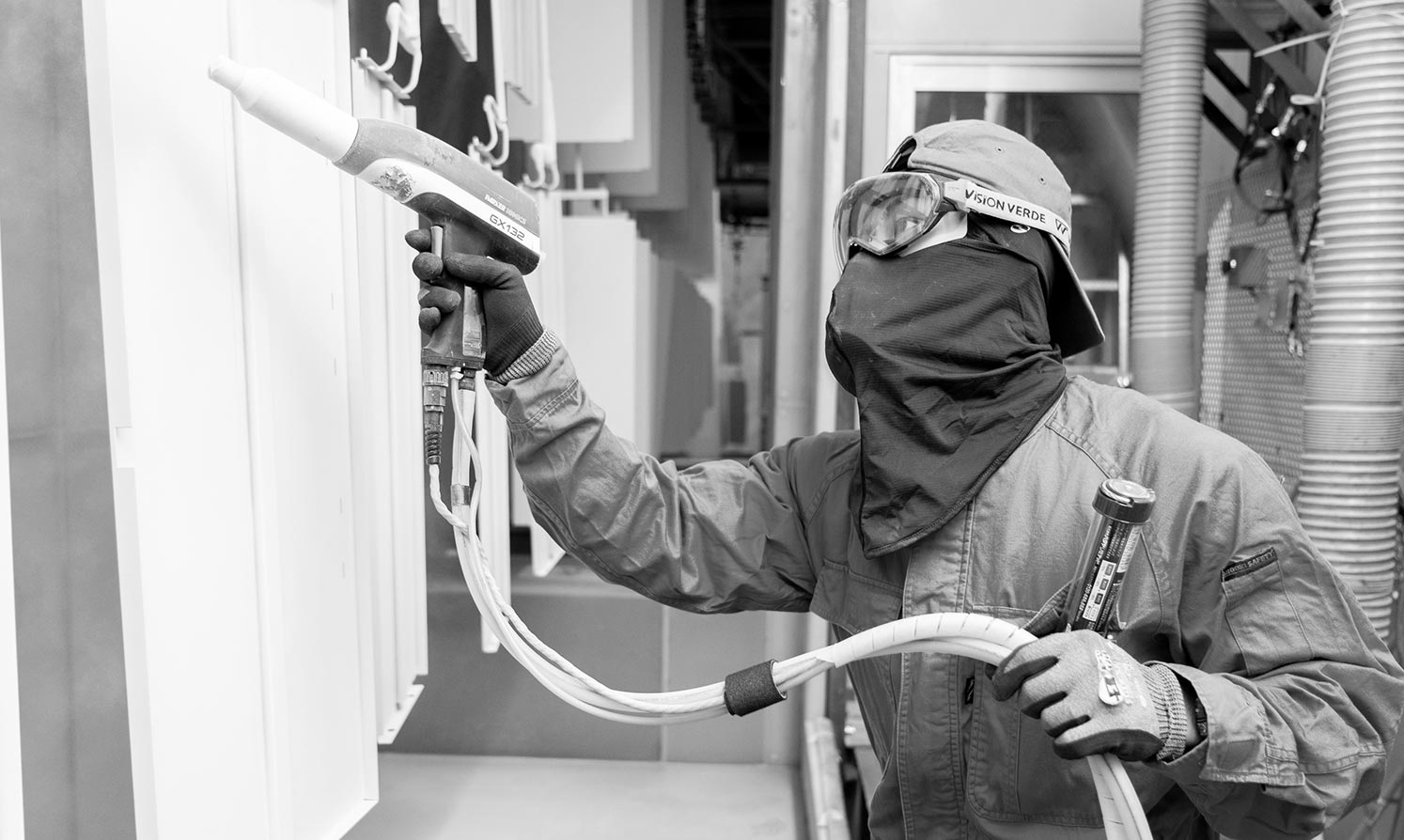
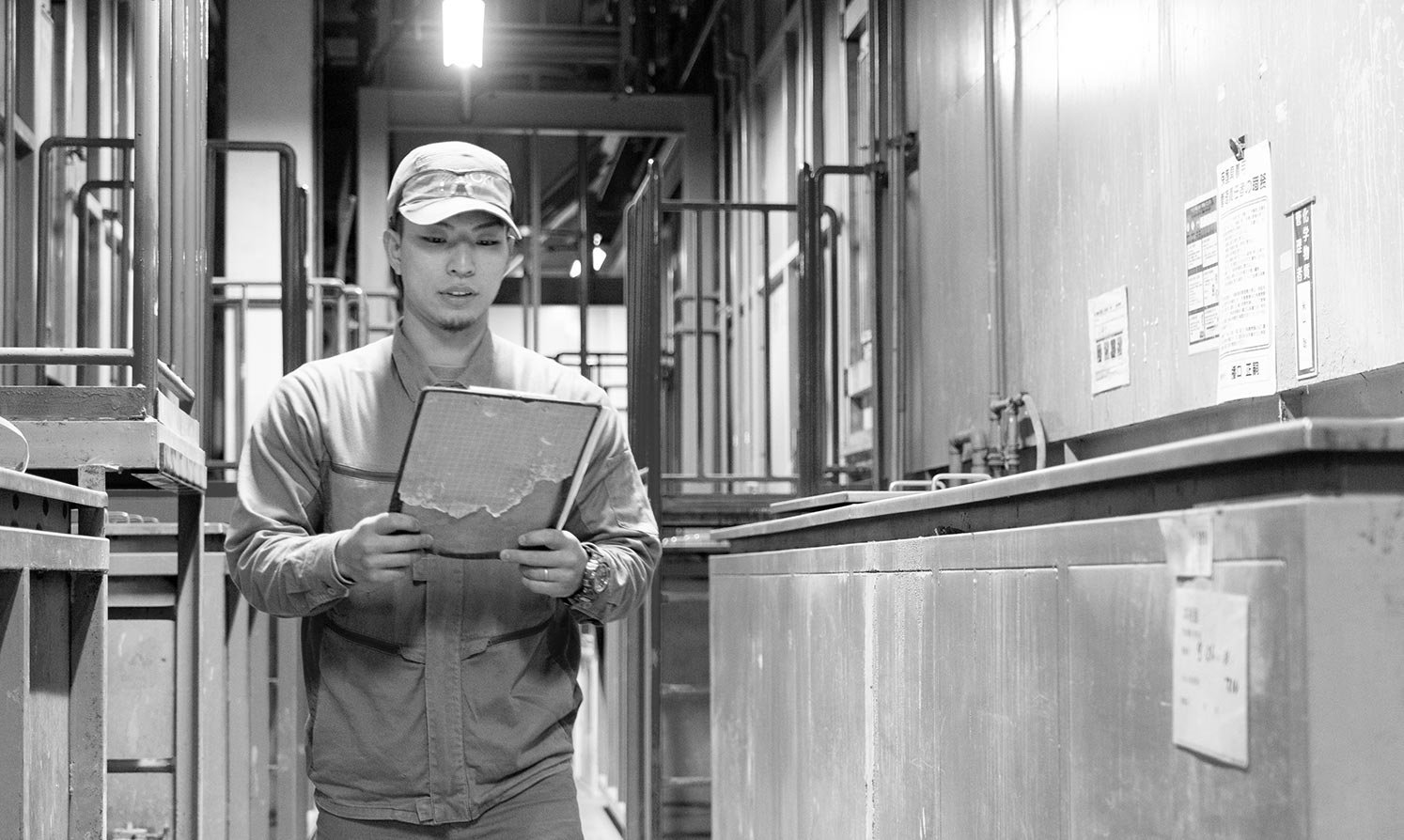
It's impossible to describe Mr. Nakamoto's work in a single word. His work is wide-ranging, encompassing everything from preparation and installation*1, powder coating*2, quality control, equipment management, personnel training, and improvement work. Every aspect of the painting team's operations is carried out under Mr. Nakamoto's direction.
However, I wasn't able to do everything from the start. In fact, at first, I thought that mechanically doing what I was told suited me better. The turning point came around my third year at the company, when several of my superiors and colleagues took leave or were transferred.
"I thought, 'I'm the only one who can do it.'"
There is no sense of despair in those words. What is there is a "determination and pride" in choosing to remain on the front lines of painting. They thought for themselves, experimented, and continued to search for ways to "never stop" production.
- Hanging: This refers to the process of hanging products or parts onto hooks on a dedicated transport line in order to paint them.
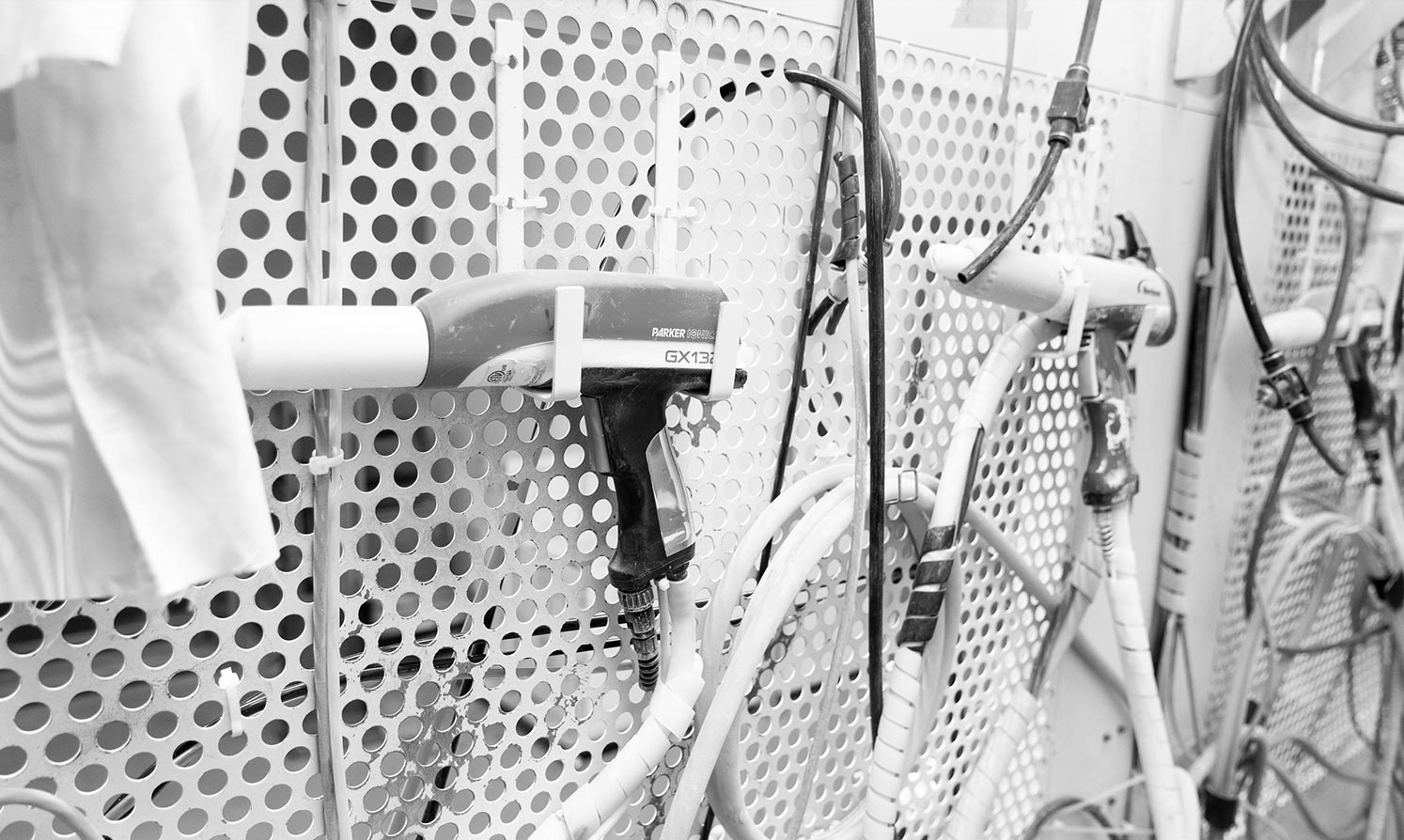
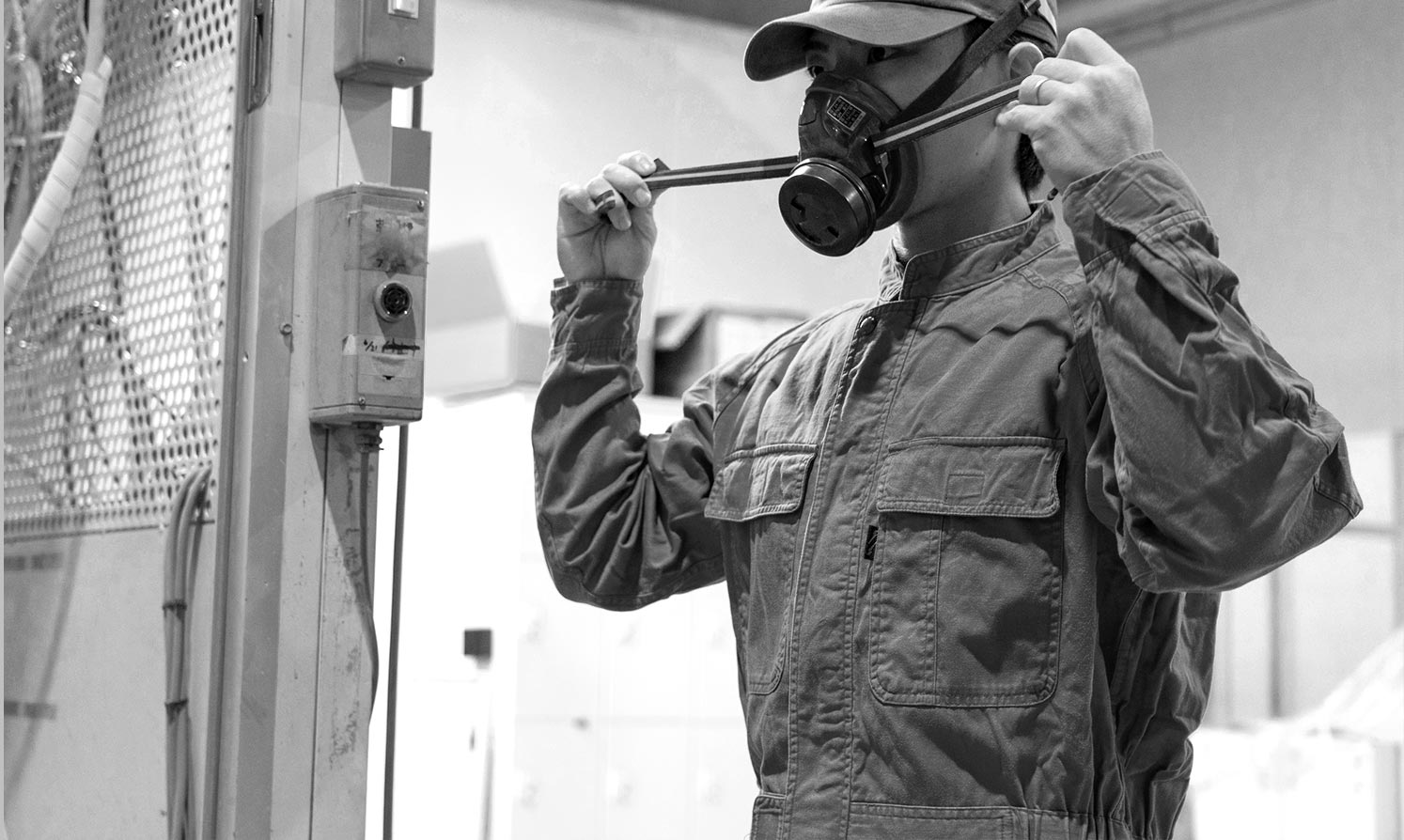
- Powder coating: A painting method that does not use organic solvents (such as paint thinner), but instead applies powdered paint using static electricity and then bakes it onto the surface.
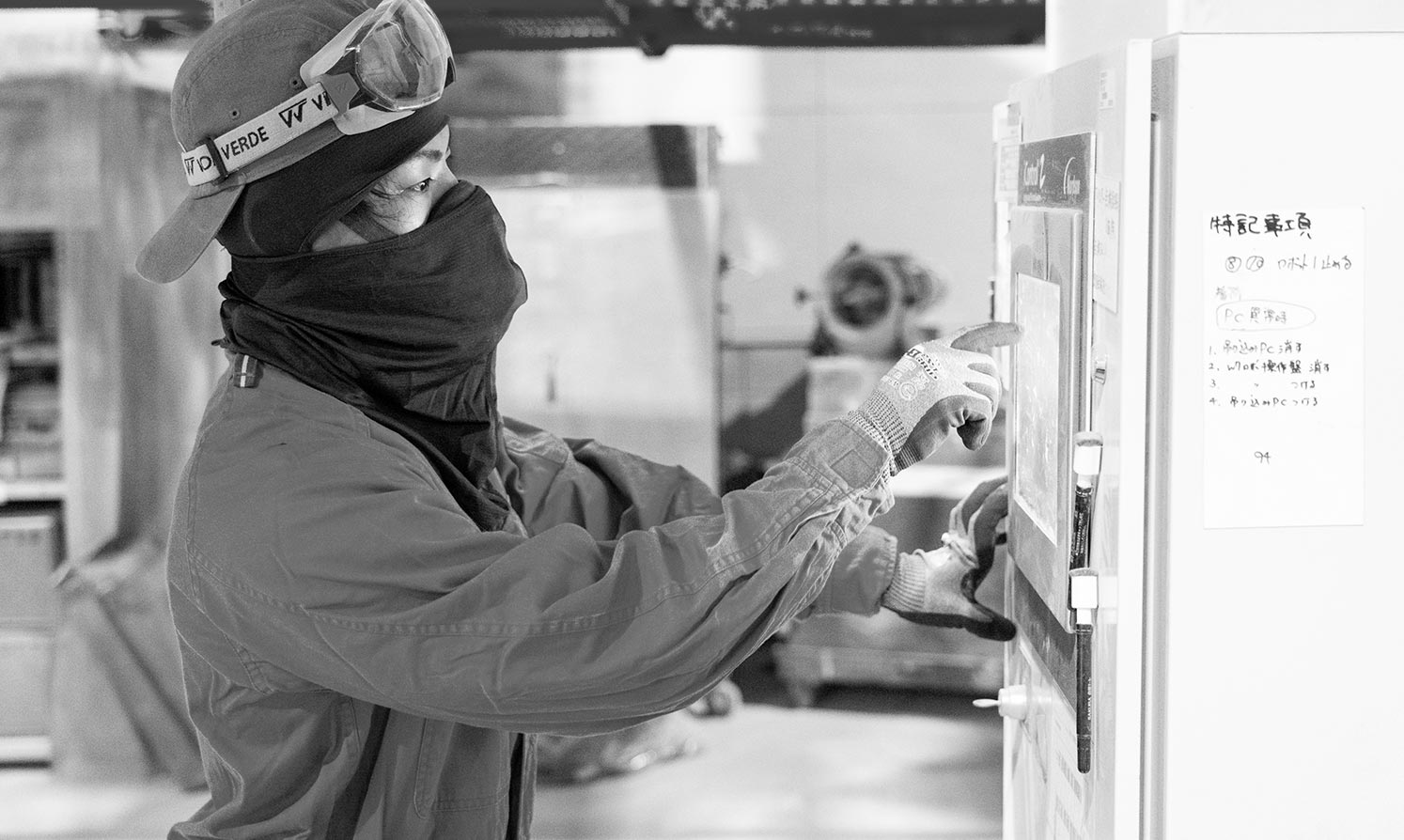
We have devised ways to prevent production stagnation by carefully selecting from over 7,000 types of parts.
The painting process is not a simple one. It requires planning and predicting the flow of events from the outset, and once the material is hung, it must be kept in sync with the work until the end within the allotted time. It is a process where one mistake can lead to production stagnation.
That's why it was necessary to identify the more than 7,000 different parts and memorize the characteristics of each one. Instead of memorizing them blindly, I proceeded to understand them in a tree-like manner, finding commonalities along the way.
Even so, equipment malfunctions sometimes occur during the painting process. Each time, while we were grateful for the help we received from other departments, we were also left with a sense of frustration. "We want to be able to manage our own process on our own." With that single-minded determination, we have faced the challenges on site.
Improvements born from dialogue with colleagues, and "standardization" that anyone can understand.
Eventually, my focus shifted from simply "not stopping" to "improvement." This involved creating an environment that allowed for quick installation, considering the optimal paint application, and personally replacing and adjusting equipment parts. As I tackled each of these tasks, I naturally began to share my insights and ideas with my colleagues more and more.
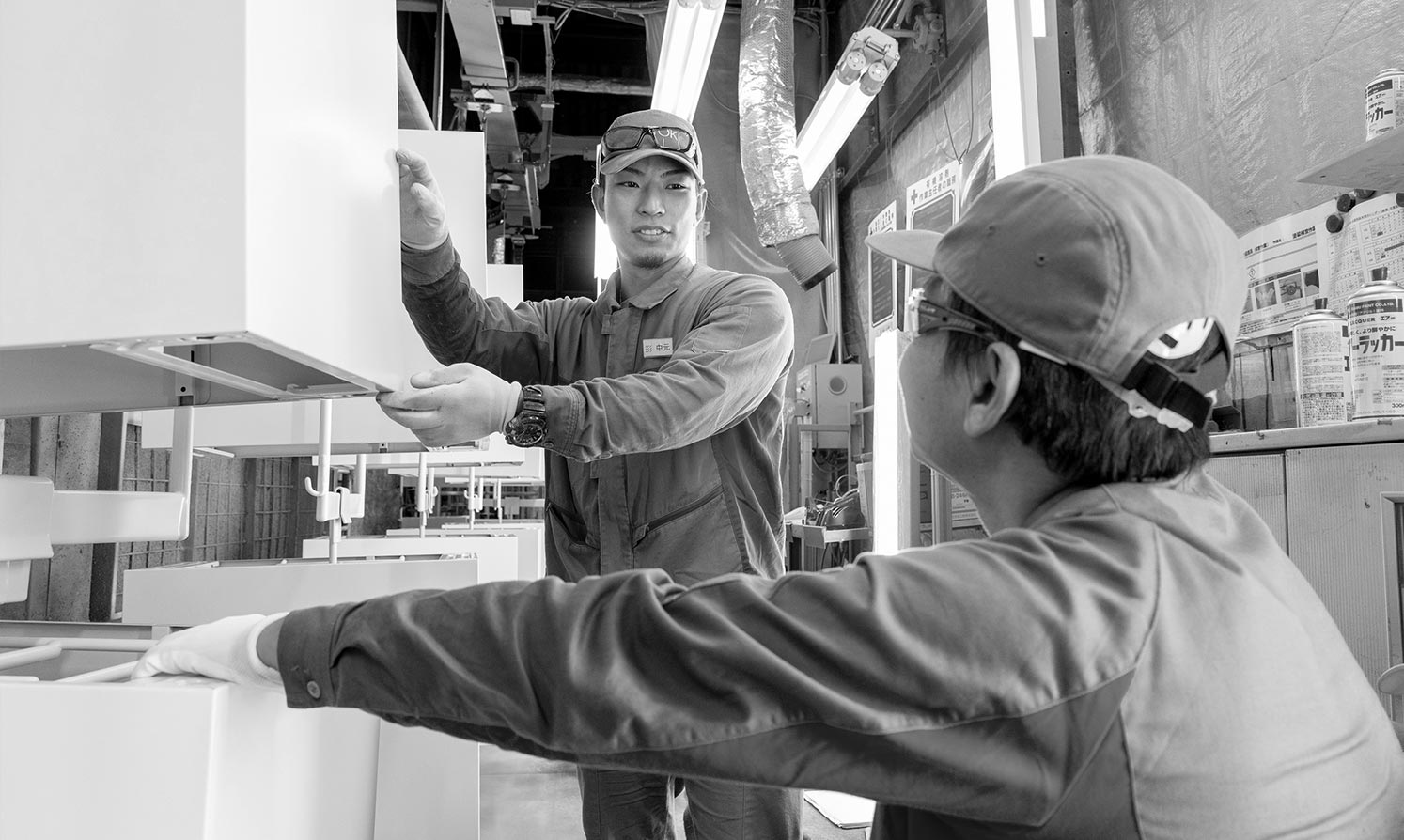
"I always provide one-on-one instruction. I make sure to tailor my teaching methods to each individual's strengths and weaknesses."
As we worked with each individual, we began to see commonalities. We realized that the points where everyone stumbles at some point are precisely the points that need improvement. By breaking these down into easy-to-understand procedure manuals, we were able to standardize the process.
The accumulated challenges and experiences gained from failures in the painting process have become Nakamoto's most valuable asset in strengthening the workplace.
Re-examining the value of painting from a field-based perspective.
As standardization progresses, the process can now run smoothly regardless of who is involved. "Being able to entrust the work to someone with confidence—that's what I think it means to be trusted."
Now that the system is in place, the judgment and technical skills of each individual have become much clearer. In the painting process, members themselves can notice and fix equipment malfunctions. Even in situations where paint is not being sprayed from the paint gun, they can instantly pinpoint the cause and work backward because they have a deep understanding of the equipment itself.
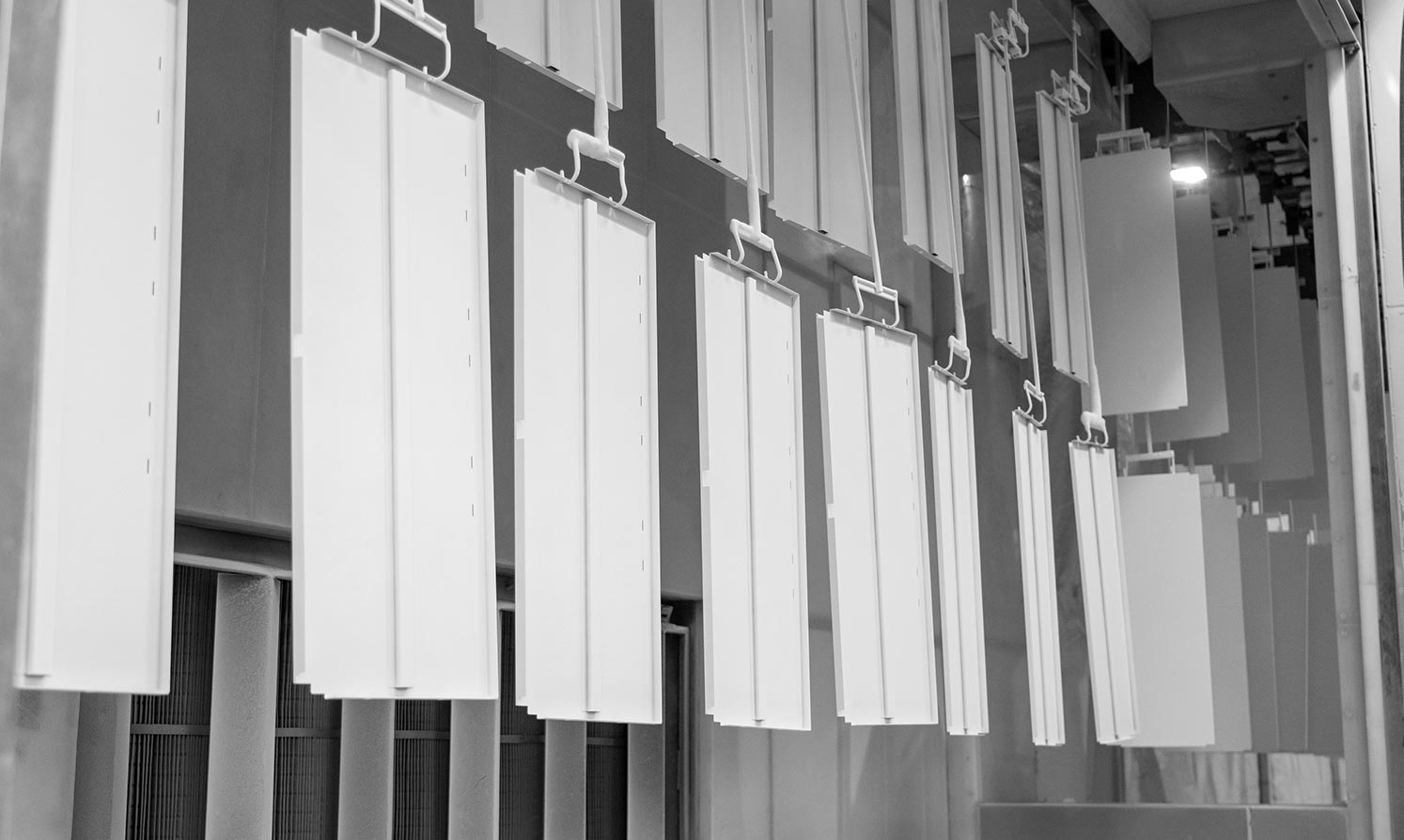
Understanding the whole picture, not just a part of it, can reveal important insights.
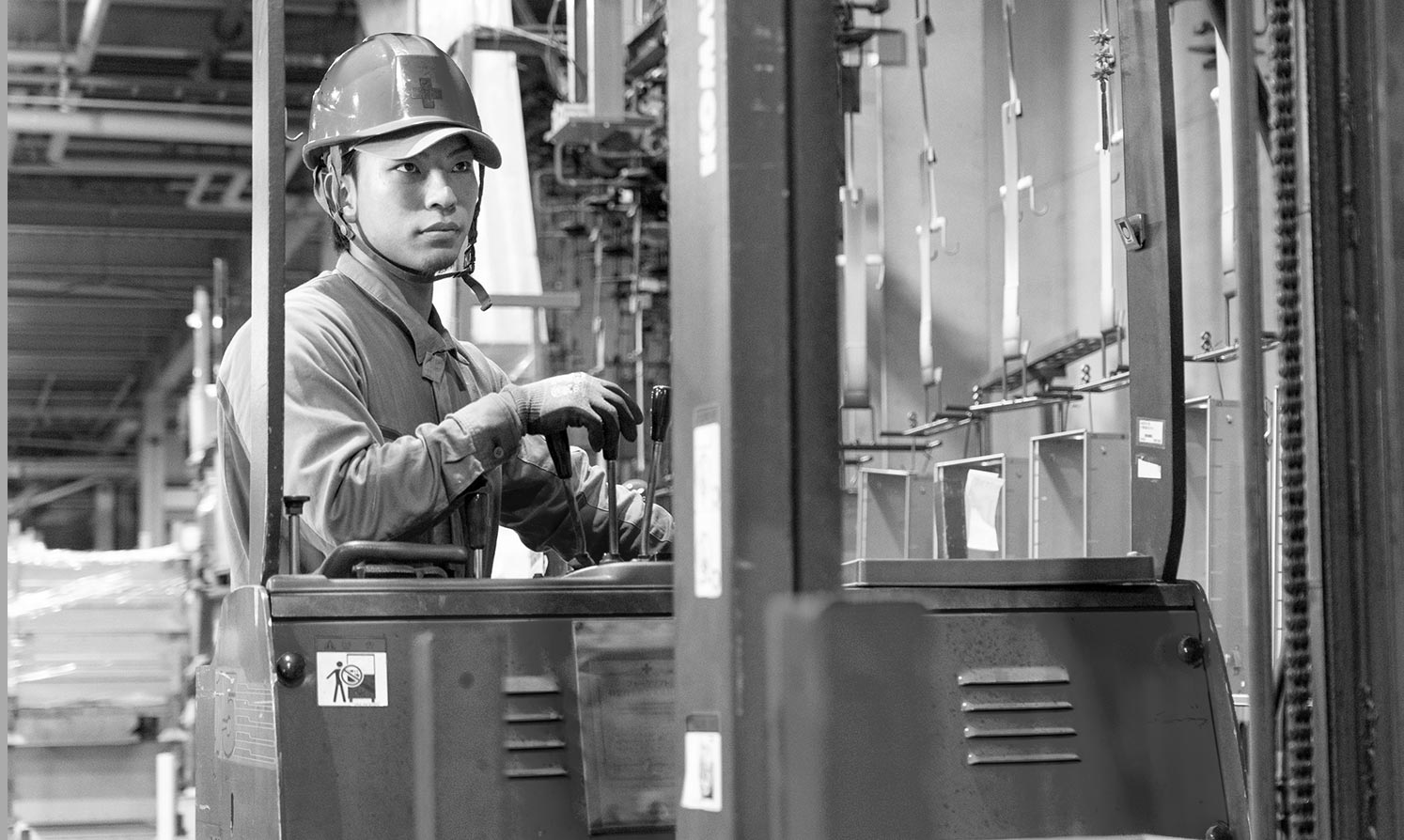
Currently, Mr. Nakamoto is drawing out and bringing together the strengths of those on the factory floor. One of the things Mr. Nakamoto focuses on is "planning." By instantly identifying the type of product and process, and assembling the optimal flow, work time can be significantly reduced. Because Mr. Nakamoto is involved in every aspect of the painting process and can see what tasks need to be entrusted to his colleagues, he was able to see the optimization of the entire painting process.
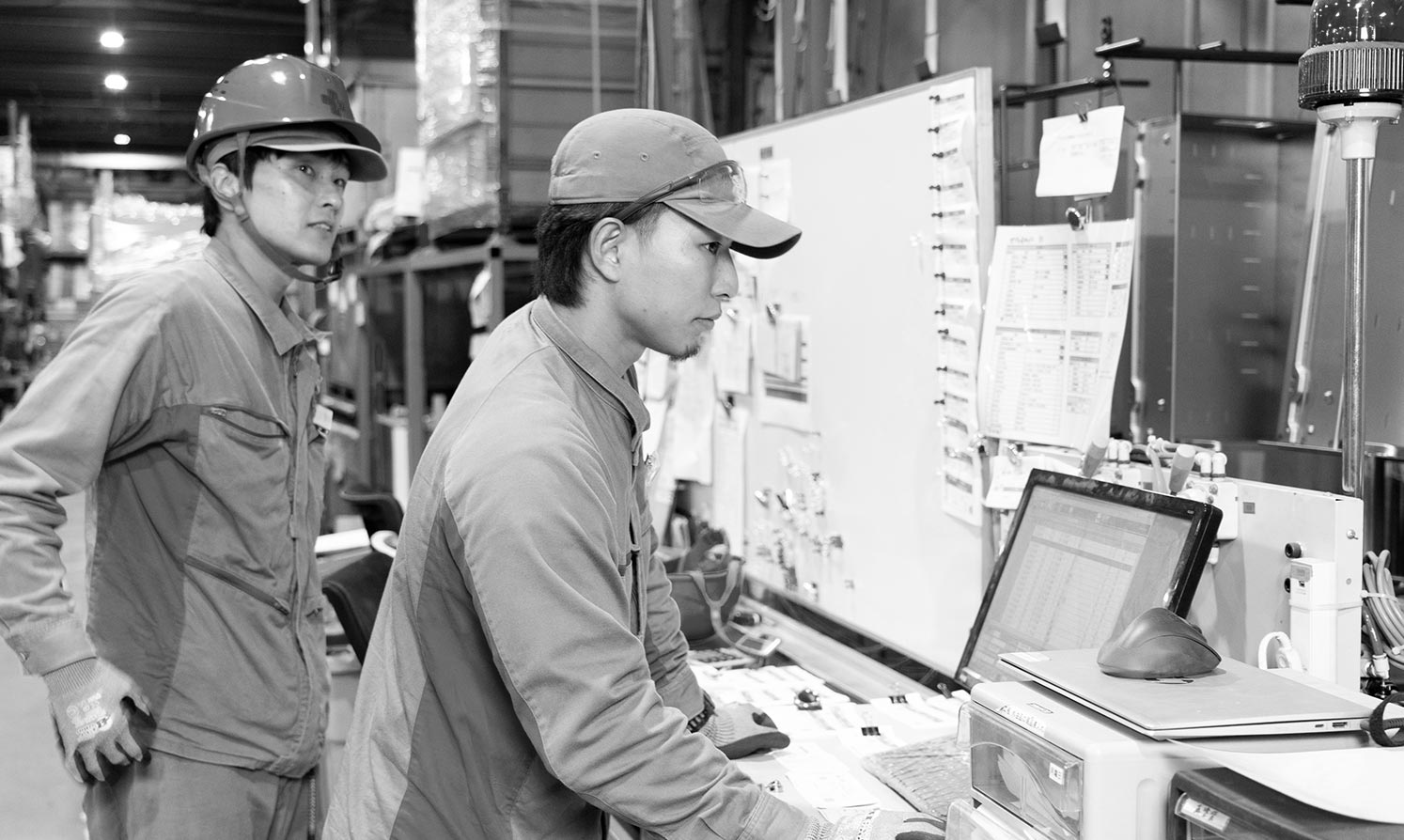
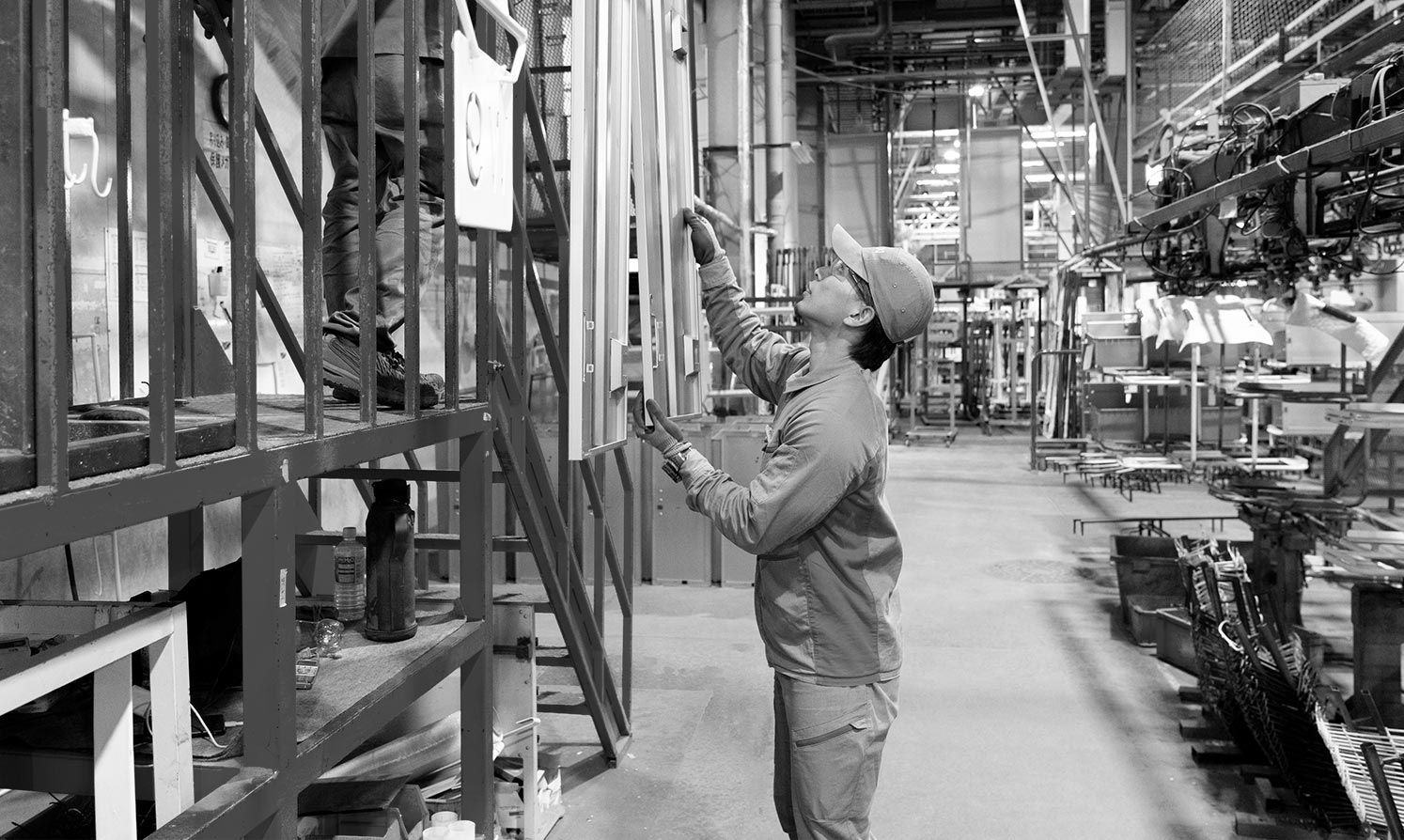
Taking on challenges transforms into a sense of accomplishment. Further deepening painting techniques through collaboration with colleagues.
"I was able to get this far because of the help of the people around me."
Nakamoto-san continues to take on challenges on-site, supported by his colleagues. To continue walking alongside these colleagues in the future, Nakamoto-san is working to further deepen his painting techniques and expand his knowledge of related processes. The more deeply he understands their own painting process, the more meaningful comparisons with the outside world become.
"By comparing our painting processes with those of other factories, we believe we can rediscover our own strengths."
Ms. Nakamoto's "confidence" and "pride" did not stem from a series of smooth successes.
It is through a continuous process of trial and error, the accumulation of "time" spent facing difficulties without running away, and the many "experiences" that have shaped Ms. Nakamoto into who she is today.
Beyond the painting process, their gaze extended to the entire factory. Their determination for the next challenge was evident.
Related products/solutions
- The department, position, and system are those at the time of the interview and may differ from the current information.
Recommended Articles
-
July 8, 2026
"This can't go on like this." What was the breakthrough that the sales team found amidst their struggles?
-
June 3, 2026
Work methods that keep the workplace running. A "common language" that everyone can understand drives the whole operation.
-
![Beauty and comfort born from "unprecedented" design. The hidden technology behind "SHIGA" [Behind the scenes of SHIGA development - Part 1]](/company/itokistory/column/2026010/assets/img/recom_img_02B.jpg)
May 8, 2026
Beauty and comfort born from "unprecedented" design. The hidden technology behind "SHIGA" [Behind the scenes of SHIGA development - Part 1]
-
March 3, 2026
The first to take maternity and childcare leave at a manufacturing site. Creating a workplace where "balancing work and childcare" is the norm.
-
January 29, 2026
Outside the company, outside the world: The perspective of ITOKI space designers broadens through exposure to different cultures